
 English
  عربى
عربى  中文简体
中文简体  русский
  Français
  Deutsch
 Preventing Contamination with Medical PVC Pipes in Healthcare Settings
How Medical PVC Pipes Prevent Contamination in Healthcare Systems
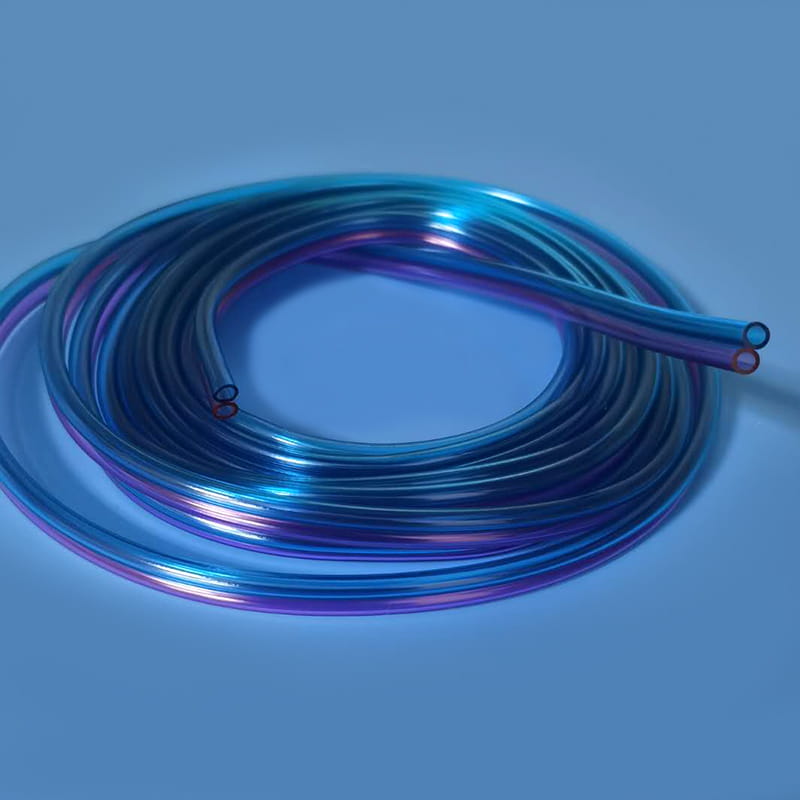
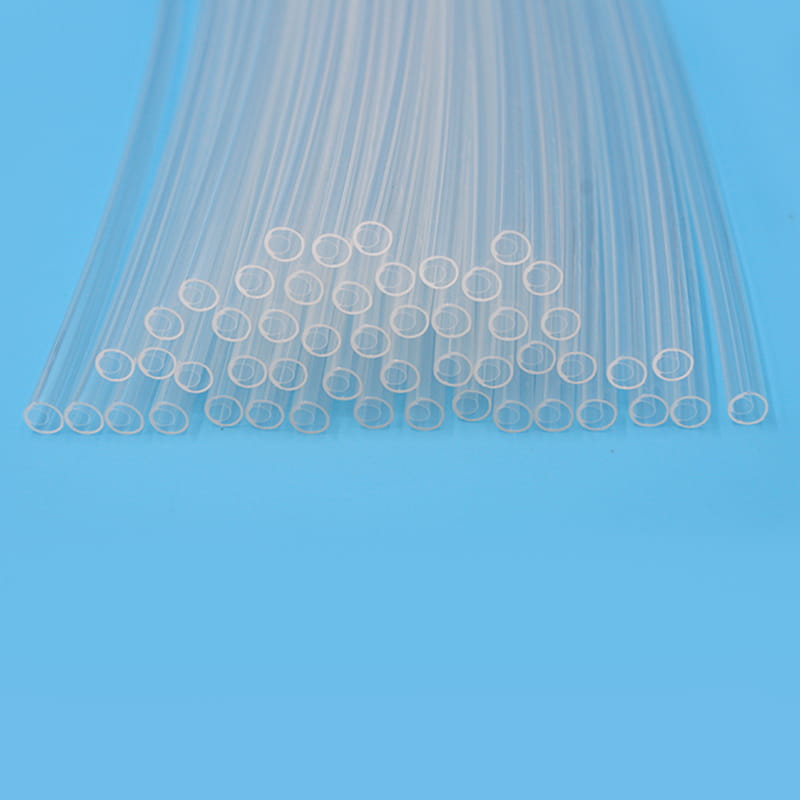
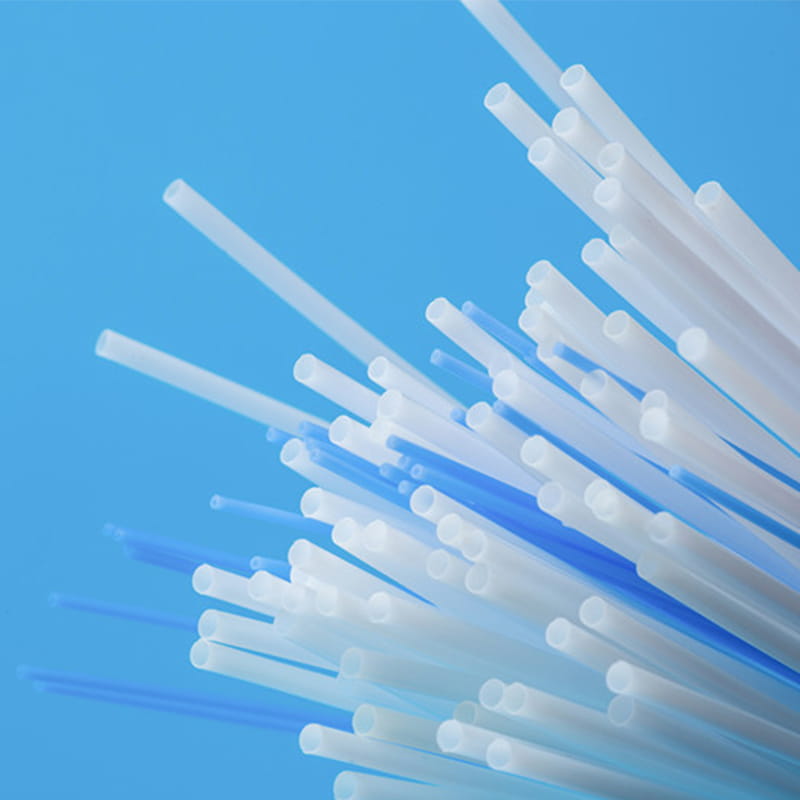
Medical PVC pipes play a critical role in reducing contamination risks in healthcare environments by providing a chemically stable, non-reactive, and smooth internal surface that limits microbial adhesion and prevents fluid contamination. When properly selected and installed, these pipes significantly reduce the risk of pathogen transmission in fluid delivery systems such as drainage, vacuum, and non-pressurized medical transport lines.
Material Stability and Low Microbial Adhesion
One of the primary advantages of a medical PVC pipe is its inherent chemical stability, which reduces the likelihood of reaction with transported fluids. This stability ensures that the pipe does not release harmful substances or support unwanted chemical interactions.
The internal surface of medical-grade PVC is engineered to be smooth and low-porosity, which reduces microbial adhesion. Compared to rougher materials, smoother surfaces can reduce bacterial attachment risk by up to 60% in controlled environments.
Key Benefits of Surface Properties
- Reduced biofilm formation on inner pipe walls
- Lower risk of fluid cross-contamination
- Improved hygiene maintenance over time
Sterilization Compatibility and Infection Control
Medical PVC pipes are designed to tolerate common sterilization methods used in healthcare systems, including chemical disinfection and controlled temperature cleaning processes. This compatibility ensures that pipes can be reused safely without degrading structural integrity.
Effective sterilization helps maintain a consistent contamination-free environment in fluid transport systems, especially in critical care and surgical support infrastructure.
Sterilization Considerations
- Resistance to commonly used disinfectant solutions
- Structural stability under repeated cleaning cycles
- Minimal deformation during controlled thermal exposure
System Design Factors That Reduce Contamination Risk
The effectiveness of a medical PVC pipe system depends not only on the material but also on how the piping network is designed. Proper layout minimizes stagnation points where contaminants could accumulate.
A well-designed system ensures continuous flow and reduces the chance of microbial growth, especially in low-pressure or intermittent-use systems.
Design Principles for Hygiene Optimization
- Avoiding sharp bends that trap residues
- Ensuring consistent internal diameter for stable flow
- Reducing dead zones in pipeline layouts
Compliance Standards and Safety Requirements
Medical PVC pipes used in healthcare settings must comply with strict material safety and hygiene standards to ensure they do not introduce contamination risks. These standards govern material composition, toxicity limits, and cleanliness performance.
Compliance ensures that the pipes maintain biocompatibility and safety under clinical operating conditions, especially in environments involving sensitive medical fluids.
Key Compliance Focus Areas
- Non-toxic and biocompatible material composition
- Controlled manufacturing environment to reduce impurities
- Performance validation under simulated medical conditions
Maintenance Practices to Sustain Contamination Prevention
Even with high-quality materials, ongoing maintenance is essential to ensure long-term contamination control in medical PVC pipe systems. Regular inspection and cleaning help preserve system integrity.
Proper maintenance ensures that internal surfaces remain free from buildup, maintaining a safe and hygienic fluid transport environment.
Recommended Maintenance Actions
- Routine flushing to prevent residue accumulation
- Scheduled inspection for wear or deformation
- Timely replacement of aging pipeline segments
For more information, please call us at +86-18913710126 or email us at [email protected].
Polyimide tubing has become indispensable in modern medical device engineering. From minimally inv...
Understanding FEP Guidewire Protective Sheath Tubing Minimally invasive medical procedures have re...
A medical peristaltic pump tube is a specialized fluid transfer component designed for accurate, st...
The Evolution of Catheter Visualization Technology Minimally invasive procedures have fundamentally...
Understanding Medical Catheters in Modern Healthcare Medical devices have revolutionized patient ca...
A straight catheter reaches most of the airway, but the last centimeter into a tracheostomy branch...