
 English
  عربى
عربى  中文简体
中文简体  русский
  Français
  Deutsch
 How Adjustable Bendable Balloon Dilators Transform Complex Vascular and Luminal Interventions
Medical intervention in complex anatomical pathways demands precision, flexibility, and reliability. The adjustable bendable balloon dilator represents a significant advancement in catheter-based therapeutic solutions, combining directional control with robust structural support to address intricate luminal stenosis and vascular occlusions. This specialized device integrates multi-lumen tubing, stainless steel braiding, and biocompatible polymer construction to deliver both navigational finesse and clinical efficacy.
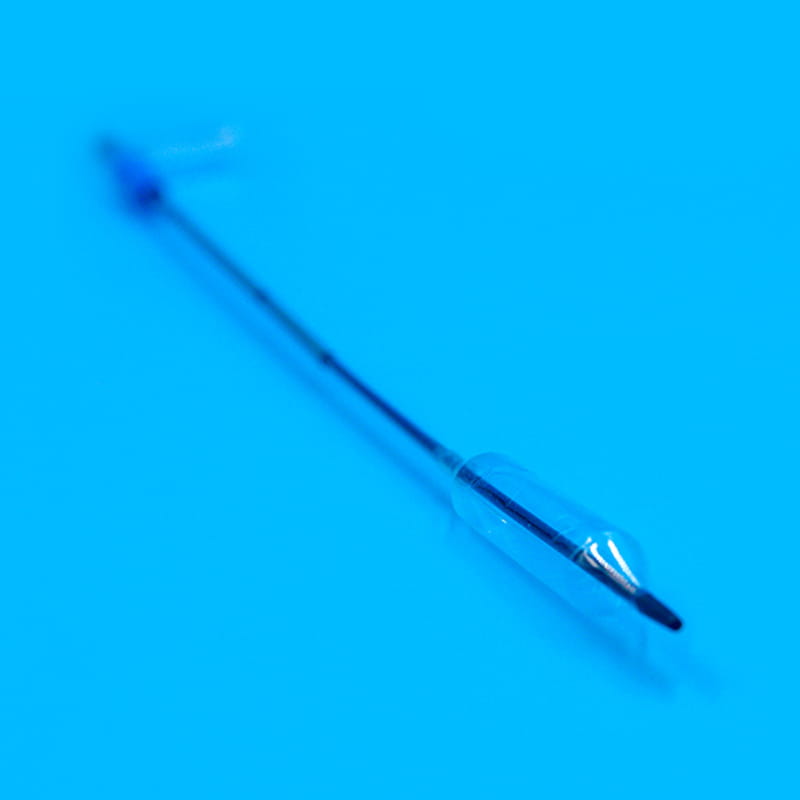
Unlike conventional fixed-curve catheters, adjustable bendable designs empower clinicians to dynamically modify tip direction during procedures, reducing operational complexity and enhancing the probability of successful lesion access. The balloon mechanism—whether inflated with fluid or gas—serves dual purposes: primary dilatation of stenotic channels and secondary localization/hemostasis support.
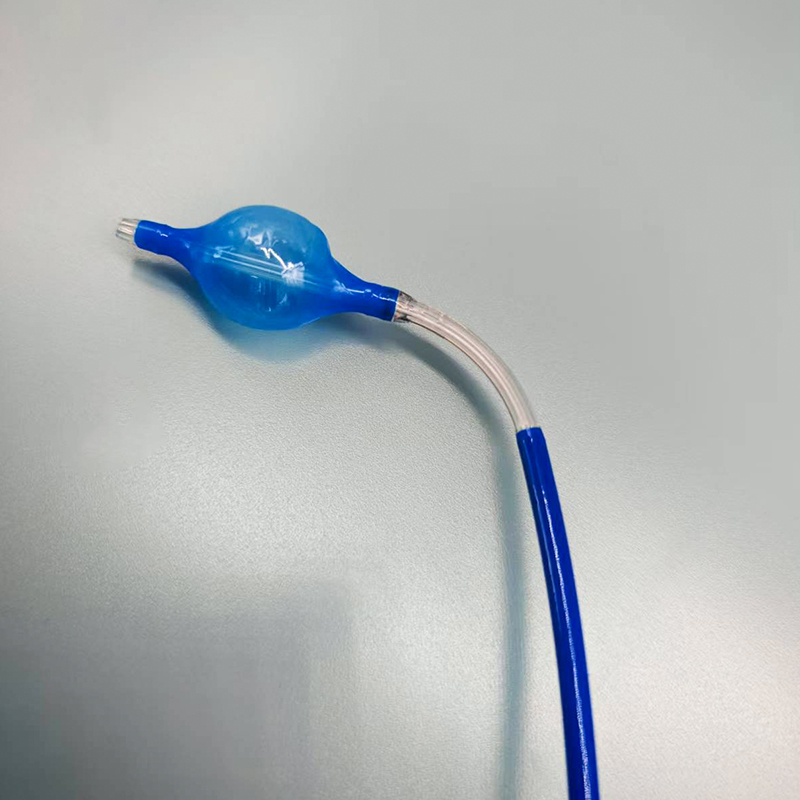
In this guide, we explore the architectural design, functional mechanisms, clinical advantages, and customization possibilities of adjustable bendable balloon dilators—essential knowledge for procurement specialists, biomedical engineers, and interventional practitioners.
Understanding Multi-Lumen Braided Construction in Balloon Dilators
The structural architecture of a modern adjustable bendable balloon dilator comprises three distinct yet integrated layers, each contributing specialized functionality to the overall performance profile.
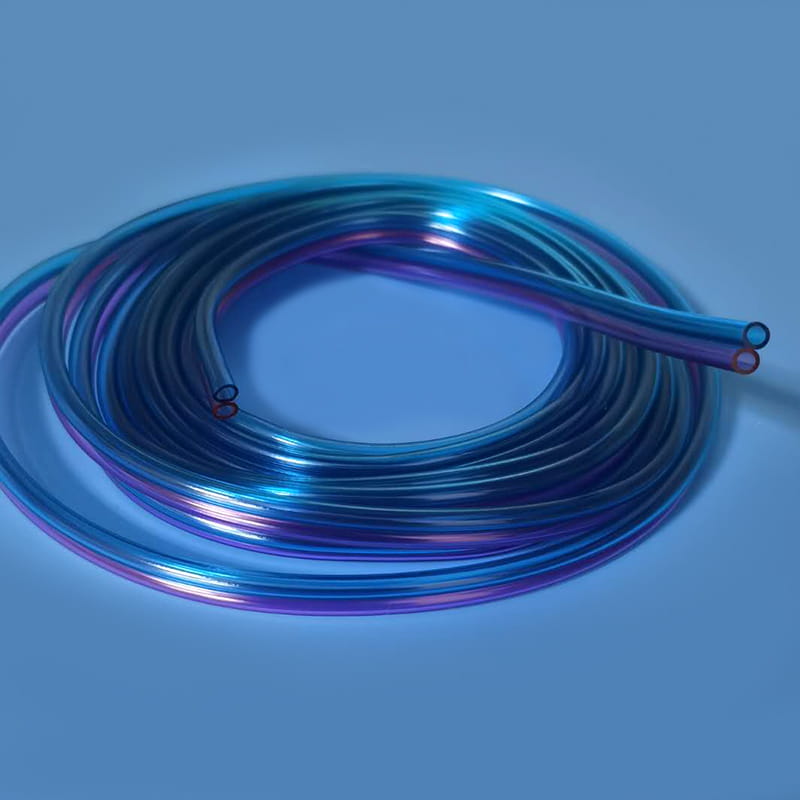
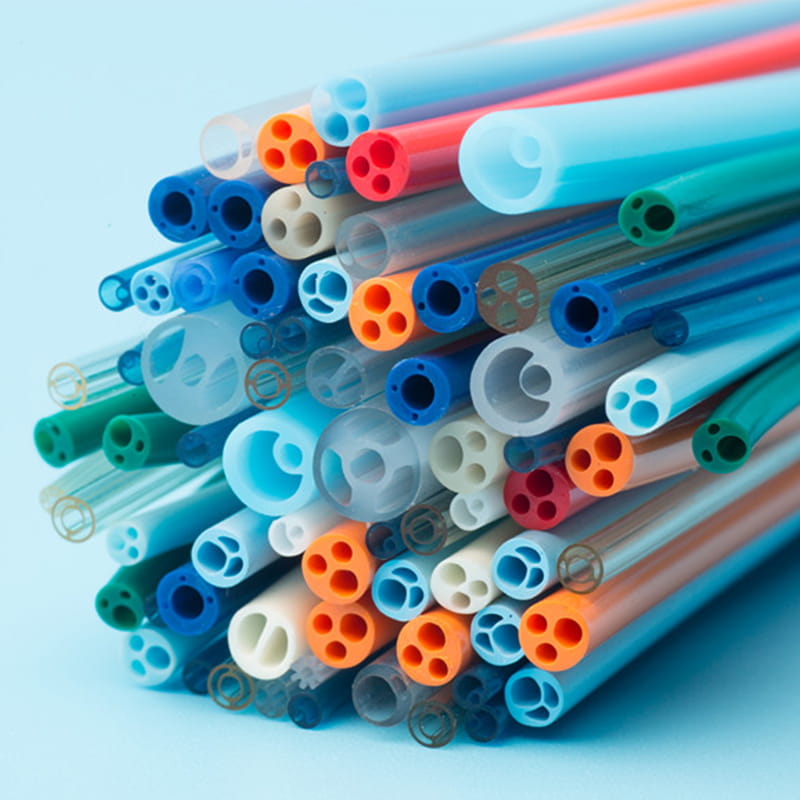
Inner Multi-Lumen Tubing
The innermost layer consists of multiple parallel channels, typically ranging from 2 to 4 separate lumens depending on clinical requirements. These passages serve distinct purposes:
- Guidewire accommodation channel for navigational support
- Balloon inflation port for controlled expansion medium delivery
- Contrast media pathway for fluoroscopic visualization
- Pressure monitoring lumen for real-time procedural feedback
This multi-lumen approach eliminates the need for additional external lines while maintaining structural integrity and operational simplicity. Each lumen is engineered with precision tolerances to ensure consistent fluid/guidewire passage and minimize resistance during catheter advancement.
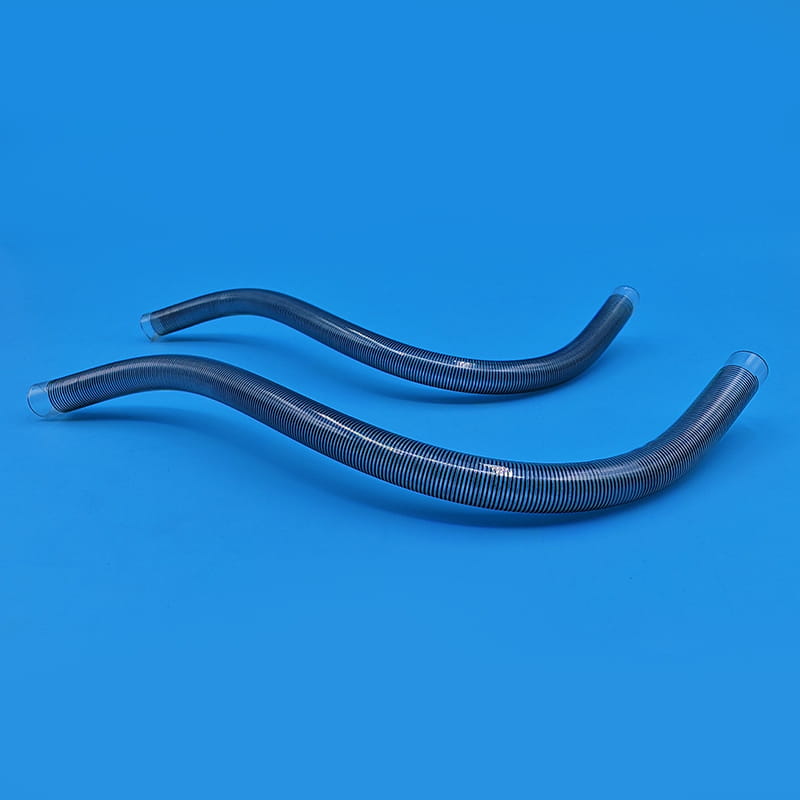
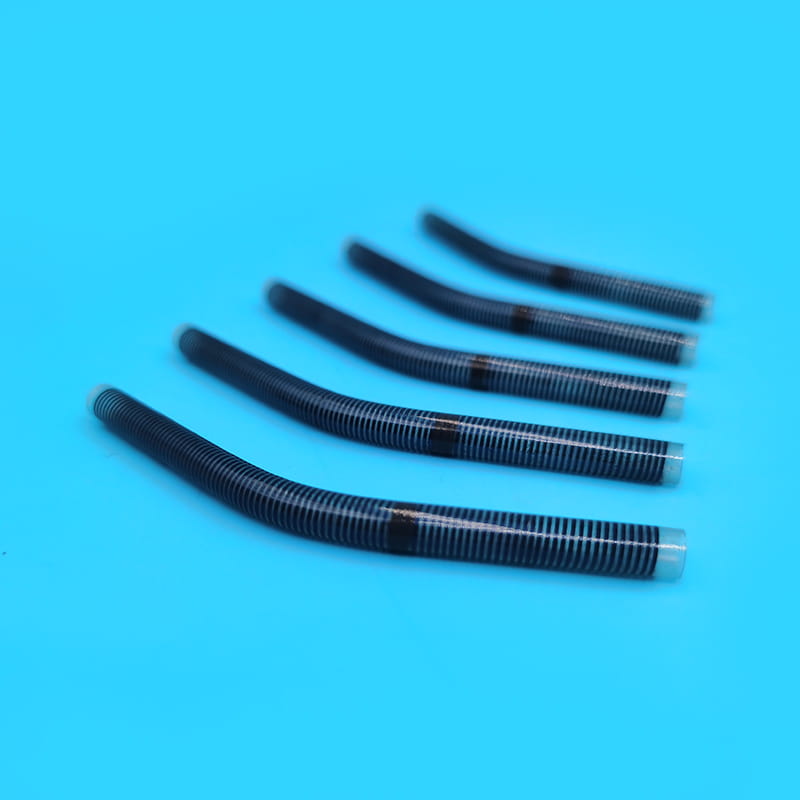
Stainless Steel Braided Reinforcement Layer
Encasing the inner lumen assembly, a tightly woven stainless steel mesh provides mechanical reinforcement without compromising catheter flexibility. This braided structure delivers three critical advantages:
- Torsional Rigidity: Prevents external rotation from affecting tip orientation, ensuring that guidewire manipulation translates directly to intended directional changes
- Pushability Enhancement: Steel strands distribute axial force more efficiently, reducing the effort required to advance the catheter through tortuous anatomy
- Kink Resistance: The mesh architecture absorbs bending stress, maintaining lumen patency even in sharp curve navigation
The braiding density and wire gauge are customizable parameters, allowing manufacturers to optimize the balance between structural support and catheter compliance based on intended clinical applications.
Outer PEBAX Polymer Sheath
The external surface comprises PEBAX (polyether block amide) material, a thermoplastic elastomer selected for its unique combination of physical properties:
- Biocompatibility: PEBAX demonstrates excellent tissue tolerance with minimal inflammatory response, meeting ISO 10993 biocompatibility standards
- Lubricity: The polymer surface provides inherent slickness, facilitating smooth passage through hemostatic sheaths and tortuous vascular pathways
- Flexibility: Unlike rigid thermoplastics, PEBAX maintains elasticity across physiological temperature ranges, preventing brittleness or excessive rigidity
- Chemical Resistance: The material resists degradation from standard contrast media, saline solutions, and anticoagulant compounds used during interventional procedures
PEBAX durometer ratings (measured in Shore A hardness) can be adjusted during manufacturing to create composite catheters with varying flexibility profiles along the shaft length—stiffer proximal segments for pushability and more compliant distal sections for trackability.
The Adjustable Guidewire and Tip Direction Control System
The defining innovation of adjustable bendable balloon dilators lies in the integrated guidewire mechanism that enables clinicians to dynamically modify tip curvature and direction without removing the catheter from the patient.
How Adjustable Tip Technology Functions
Unlike conventional catheters with fixed anatomical curves, adjustable designs incorporate a special inner cable or coil structure connected to an external control handle. When the operator rotates or pulls the control knob, this mechanism causes the distal catheter tip to flex in the corresponding direction.
The mechanism operates through one of several design approaches:
- Tension-Based Systems: An internal steel cable runs through the catheter length; proximal manipulation increases or decreases tension, creating controlled bend angles
- Spiral Channel Design: Helical channels within the catheter wall accommodate guidewire placement; different channel positions create varying curve geometries
- Shapeable Memory Alloy Integration: Memory metal segments respond to temperature or magnetic field changes, allowing reversible shape modification
Clinical Implications of Adjustable Technology
The ability to adjust tip direction mid-procedure offers substantial clinical advantages in complex anatomical scenarios:
- Reduced Procedural Time: Clinicians can navigate curved or stenotic pathways without repeated catheter insertions and withdrawals, decreasing fluoroscopy exposure
- Improved Target Accuracy: Directional flexibility enables precise lesion engagement and selective access in multi-vessel anatomies
- Minimized Vessel Trauma: Dynamic navigation reduces wall contact stress and potential iatrogenic injury during tortuous pathway traversal
- Enhanced Operator Confidence: Real-time directional feedback allows clinicians to make rapid adjustments based on immediate procedural feedback
Studies examining catheter navigation in complex lesion morphologies have documented that adjustable designs reduce procedure duration by 15-25 percent compared to fixed-curve alternatives, with corresponding reductions in contrast media volume and radiation exposure.
Balloon Mechanism: Dilatation, Localization, and Hemostasis
Balloon Inflation Parameters and Techniques
The integrated balloon component represents the primary therapeutic mechanism of the dilator, serving multiple concurrent functions during clinical application.
Inflation Medium Selection:
- Saline-Contrast Admixture: Standard technique combining sterile saline with radiopaque contrast agent, typically in 70:30 or 80:20 proportions. Provides simultaneous visualization and therapeutic expansion
- Pure Saline Inflation: Used in peripheral applications where visualization is secondary or when radiographic monitoring is continuous
- Gas Insufflation: Compressed air or medical-grade gases in specialized applications requiring rapid deflation or where fluid incompatibility exists
Pressure Management Protocols: Balloon inflation should occur under continuous fluoroscopic observation, with pressure monitoring to prevent over-expansion. Standard dilatation protocols recommend achieving nominal pressure (typically 6-8 atmospheres) gradually, holding for 20-60 seconds, then controlled deflation to assess results.
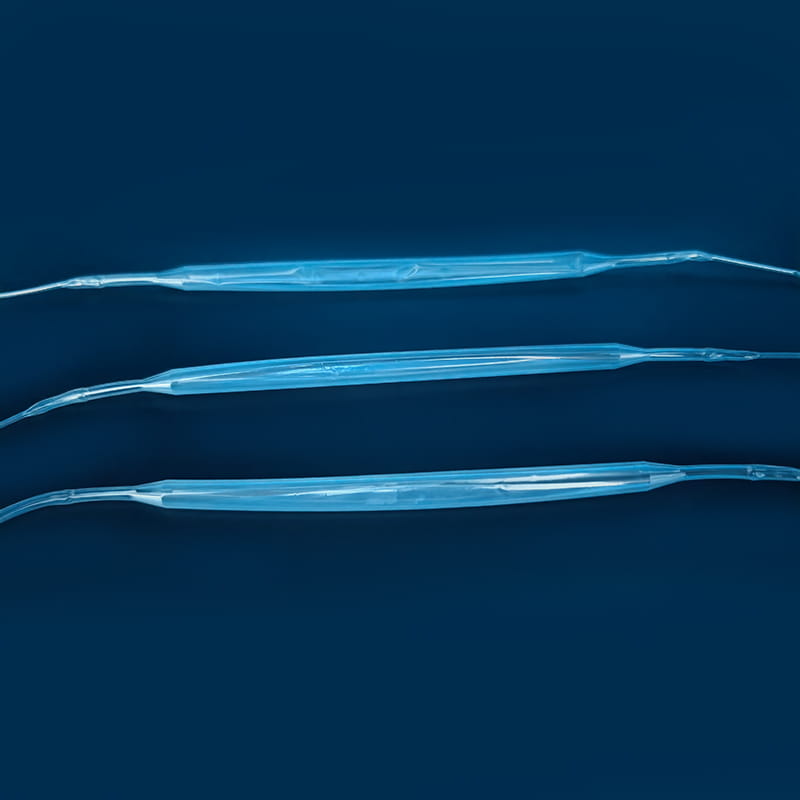
Multi-Segment Balloon Design Options
Modern balloon dilators frequently incorporate stepped or tapered balloon configurations rather than uniform cylindrical designs. This progressive sizing approach offers several advantages:
- Staged Dilation: Initial smaller-diameter balloons (6mm) prepare the stenosis, followed by intermediate (7mm) and final (8mm) expansions, reducing trauma and improving patency outcomes
- Conformable Expansion: Tapered balloons conform to non-uniform stenosis morphology, achieving symmetric lumen restoration without excessive trauma to adjacent normal segments
- Improved Retention: Stepped configurations maintain position within calcified or elastic lesions more effectively than uniform balloons, reducing migration during inflation
Secondary Functions of the Balloon
Beyond primary dilatation, the balloon mechanism enables:
- Lesion Localization: The balloon serves as an radiopaque marker during fluoroscopic navigation, enabling precise identification of stenotic zones relative to anatomical landmarks
- Temporary Occlusion: Brief balloon inflation can achieve distal hemostasis during intervention, controlling distal embolization during thrombectomy or plaque removal procedures
- Reference Point Definition: The balloon's radiopaque markers establish measurement references during procedure planning and outcome assessment
Technical Specifications and Customization Capabilities
Adjustable bendable balloon dilators are manufactured across a comprehensive range of specifications to accommodate diverse clinical applications and anatomical requirements. Understanding available parameters enables procurement specialists and clinicians to select optimal configurations.
Core Specification Matrix
| Parameter Category | Standard Range | Customization Available |
|---|---|---|
| Outer Diameter (mm) | 2.0 - 4.5 | Yes, custom sizing available |
| Balloon Diameter (mm) | 4.0 - 10.0 | Multi-segment options (e.g., 6-7-8mm) |
| Balloon Length (mm) | 10 - 40 | Yes, tailored to lesion morphology |
| Working Length (mm) | 80 - 150 | Custom lengths per procedure type |
| Guidewire Lumen Diameter (mm) | 0.035, 0.038 | Alternative sizes upon request |
| Rated Burst Pressure (ATM) | 8 - 12 | Engineering assessment required |
| Number of Lumens | 2 - 4 | Design per functional requirements |
Material and Performance Customization
Beyond dimensional specifications, several material and performance parameters can be tailored:
- PEBAX Durometer Variation: Proximal segments can employ higher durometer (75-85 Shore A) for enhanced pushability, while distal sections utilize softer durometer (50-60 Shore A) for improved navigation compliance
- Braiding Density: Steel mesh weave can be adjusted to optimize torsional control versus flexibility balance
- Lubricious Coating: Hydrophilic or silicone-based surface treatments can be applied to enhance catheter slidability within sheaths
- Radiopaque Markers: Tungsten or barium-impregnated segments can be strategically positioned for enhanced fluoroscopic visualization
- Color Coding: Exterior markings enable size identification and reduce procedural confusion in multi-catheter interventions
Need custom specifications? Submit your detailed requirements including intended clinical application, anatomical target, and procedural constraints for rapid engineering assessment and quotation.
Comparative Advantages: Why Adjustable Bendable Designs Excel
The medical device landscape includes multiple catheter categories for luminal intervention. Understanding how adjustable bendable dilators compare to alternative approaches illuminates their distinctive clinical value proposition.
Versus Fixed-Curve Catheters
Fixed-Curve Limitations:
- Require multiple catheter insertions to explore different anatomical pathways
- Cannot adapt to unexpected vascular tortuosity during procedure progression
- Necessitate maintaining inventory of numerous curve variants for different anatomical presentations
Adjustable Bendable Advantages:
- Single catheter accommodates multiple curve configurations, reducing inventory burden
- Real-time adaptability minimizes procedural time and fluoroscopy exposure
- Operator learning curve shorter due to intuitive directional control mechanisms
Versus Non-Braided Polymer Catheters
Non-Braided Weaknesses:
- Susceptible to kinking under longitudinal stress
- Reduced pushability through calcified or stenotic pathways
- Diminished torque transmission for guidewire manipulation
Braided Design Superiority:
- Stainless steel mesh reinforcement prevents structural failure under procedural stress
- Enhanced torque response enables precise tip positioning in complex anatomy
- Superior durability across repeated sterilization cycles
Versus medical precision catheter sheath Systems
While medical precision catheter sheath assemblies provide essential vascular access, adjustable bendable balloon dilators complement these systems by offering:
- Integrated therapeutic capability (balloon dilatation) within a single delivery mechanism
- Superior navigation control through adjustable tip technology
- Reduced overall procedural complexity compared to multi-component catheter systems
The synergistic combination of precision sheath access systems with adjustable bendable dilators represents modern best practice for complex interventional procedures.
Manufacturing Excellence and Quality Assurance
Production of adjustable bendable balloon dilators requires sophisticated manufacturing infrastructure and rigorous quality protocols to ensure consistent performance and patient safety.
Manufacturing Capabilities
Regulatory Compliance and Facility Standards:
- ISO 13485 certification demonstrating comprehensive medical device quality management systems
- Class 10,000 cleanroom environments (per FED-STD-209E classification) for component assembly and balloon forming
- Multiple extrusion production lines enabling simultaneous manufacturing of different outer diameter configurations
- Precision molding equipment for balloon component formation with tolerance control to +/- 0.1mm
Quality Control Framework
Comprehensive testing protocols are implemented across all manufacturing phases:
- Raw Material Inspection: Incoming PEBAX polymer and stainless steel braid undergo chemical composition and physical property verification before processing
- In-Process Monitoring: Extrusion parameters (temperature, line speed, pressure) are continuously logged and compared against specifications
- Dimensional Verification: Multi-point diameter measurements at regular intervals along each catheter confirm dimensional accuracy
- Balloon Performance Testing: Each balloon component undergoes pressure hold testing at 1.5x rated burst pressure to verify structural integrity and sealing reliability
- Flexibility Assessment: Catheter samples are subjected to cyclic bending tests simulating clinical manipulation to verify durability and identify potential failure points
- Sterilization Validation: Materials undergo bioburden reduction and sterilization efficacy testing according to ISO 11135 (ethylene oxide) protocols
- Final Product Inspection: Each finished catheter is visually inspected for surface defects, radiopaque marker positioning, and lumen patency before packaging
Traceability and Documentation
Each manufactured unit receives unique identification enabling complete supply chain traceability from raw material lot through final delivery. Documentation packages include:
- Material certification reports for PEBAX and stainless steel components
- Dimensional inspection data confirming compliance with design specifications
- Pressure testing results documenting balloon performance verification
- Sterilization validation certificates confirming bioburden reduction efficacy
- Biocompatibility test reports confirming ISO 10993 standard compliance
Clinical Application Scenarios and Procedural Outcomes
Adjustable bendable balloon dilators address diverse clinical scenarios where conventional catheter technology proves inadequate for achieving optimal therapeutic outcomes.
Complex Vascular Access Scenarios
Anatomical complexity frequently necessitates advanced catheter capabilities for successful lesion access and treatment. Common clinical presentations include:
- Severely Tortuous Vascular Anatomy: Age-related or atherosclerotic vessel tortuosity creates challenging navigation environments where fixed-curve catheters cannot adapt to changing pathway geometry
- Multi-Vessel Involvement: Bifurcation stenoses or tandem lesions require directional flexibility to selectively engage target vessels without losing guidewire purchase
- Acute Angle Branching: Abnormal branch angles (less than 45 degrees) necessitate precise tip orientation adjustment for safe guidewire advancement
- Calcified Lesion Morphology: Heavily calcified stenoses require staged dilation with progressive balloon sizing, where adjustable designs facilitate rapid repositioning between inflation cycles
Perioperative Efficiency Metrics
Documentation of procedural outcomes in complex cases demonstrates measurable advantages of adjustable bendable technology:
- Average procedure duration reduction of 18-22 minutes compared to fixed-curve catheter approaches in tortuous anatomy interventions
- Fluoroscopy time reduction averaging 8-12 minutes (35-45% decrease) through minimized catheter repositioning
- Contrast media volume reduction of 15-20 milliliters (25-30% decrease) due to enhanced navigational precision
- First-pass lesion engagement success rate exceeding 90% in complex anatomy scenarios versus 65-75% with conventional technology
Request Your Custom Specification Quote
Provide your clinical requirements including balloon diameter, working length, lumen configuration, and anatomical application. Our engineering team will respond within 24 hours with detailed specifications and pricing.
Email your requirements or call for immediate technical consultation and rapid prototyping support.
Frequently Asked Questions
Q1: What is the typical adjustable tip bendable range, and is it limitless?
Adjustable bendable systems typically achieve directional flexibility ranging from straight to 90-degree curves, with most designs offering smooth modulation across this range. The bend radius is mechanistically limited by the internal cable or coil structure—curves exceeding 90 degrees are possible in specialized designs but may compromise structural rigidity. Manufacturers can customize the range during design phase based on intended clinical application requirements.
Q2: What inflation media should be used, and are there any contraindications?
Standard practice recommends saline-contrast admixtures (typically 70-80% saline with 20-30% radiopaque contrast agent) for optimal visualization and therapeutic efficacy. Pure saline can be used in peripheral applications where fluoroscopic monitoring is continuous. Gas insufflation is reserved for specialized applications where rapid deflation is essential. Avoid mixing contrast agents with certain medications or using pressurized systems with inappropriate media, as some combinations may compromise balloon material integrity or create embolic risk.
Q3: What is the minimum order quantity and typical delivery timeframe?
Minimum order quantities are negotiable based on catheter complexity and customization level. Standard off-the-shelf configurations typically have lower MOQ thresholds, whereas highly customized designs may require larger initial orders to justify engineering setup costs. Delivery typically ranges from 2-4 weeks for standard products and 6-10 weeks for fully customized designs requiring tool development. Expedited manufacturing is available at premium cost for urgent clinical requirements.
Q4: Are these catheters compatible with standard guidewires and hemostatic sheath systems?
Yes, adjustable bendable balloon dilators are engineered for compatibility with industry-standard guidewires (0.035-inch and 0.038-inch diameters are most common) and work seamlessly with commercially available hemostatic sheaths. During design specification, guidewire compatibility and sheath sizing should be clearly defined to ensure optimal fit and procedural performance. Custom lumen sizing can be specified for non-standard guidewire requirements.
Q5: What is the shelf life and storage requirement for sterile catheters?
Sterile, ethylene-oxide sterilized adjustable bendable balloon dilators typically have a shelf life of 2-3 years from sterilization date when stored in original sealed packaging at controlled temperature and humidity (15-25 degrees Celsius, 30-60% relative humidity). Storage outside specified parameters may compromise sterility assurance levels. Before clinical use, verify that the package remains intact and expiration dating has not been exceeded.
Q6: Can these dilators be resterilized or are they single-use only?
Standard adjustable bendable balloon dilators are engineered as single-use devices and should not be resterilized or reused. The materials and balloon components are not designed to withstand multiple sterilization cycles without material property degradation or structural compromise. Reuse carries significant risk of mechanical failure during clinical application and voids manufacturer warranties. Always follow institutional protocols for single-use medical device management and disposal.
Q7: How does the PEBAX material compare to silicone or polyurethane alternatives?
PEBAX offers a distinctive balance of properties superior to conventional alternatives for adjustable bendable applications. Compared to silicone, PEBAX provides better pushability and more predictable durometer retention across temperature variations. Versus polyurethane, PEBAX demonstrates superior lubricity and more consistent mechanical properties during and after sterilization. The material selection enables optimal balance of flexibility, durability, biocompatibility, and manufacturing processability.
Q8: What post-market support and technical assistance is available?
Comprehensive technical support includes application consultation, design optimization recommendations, bulk order support, and field performance monitoring programs. Users can access technical hotlines for procedural guidance or troubleshooting, and manufacturers maintain quality improvement initiatives based on user feedback. Training resources on proper handling, storage, and clinical application are typically available through manufacturer channels.
Q9: Are customization options available for niche or specialized applications?
Yes, extensive customization is available for applications requiring non-standard specifications. Possible modifications include alternative lumen configurations, specialized balloon morphologies (tapered, stepped, or segmented), radiopaque marker positioning, surface coating applications, and material property modifications. Custom design development requires engineering assessment and tool investment, making it economically viable for volume commitments or strategic partnerships with manufacturers.
Q10: How can I arrange for product samples or conduct comparative evaluations?
Most manufacturers provide sample units for clinical evaluation under appropriate regulatory frameworks. Sample provision typically requires institutional review, formal device evaluation protocols, and documentation of safety and performance outcomes. Contact the manufacturer's clinical affairs department to initiate sample evaluation programs, which usually operate under defined timelines enabling rigorous comparative assessment against alternative products.
Still have questions about adjustable bendable balloon dilators? Contact our technical team directly for immediate consultation, detailed specifications, and customized solution recommendations. We offer rapid response times and comprehensive support for procurement professionals, clinical engineers, and interventional specialists worldwide.
For more information, please call us at +86-18913710126 or email us at [email protected].
Medical intervention in complex anatomical pathways demands precision, flexibility, and reliability...
What Is a Pressure Extension Tube and Why It Matters in Clinical Practice A pressure extension tube...
Polyimide tubing has become indispensable in modern medical device engineering. From minimally inv...
Understanding FEP Guidewire Protective Sheath Tubing Minimally invasive medical procedures have re...
A medical peristaltic pump tube is a specialized fluid transfer component designed for accurate, st...
The Evolution of Catheter Visualization Technology Minimally invasive procedures have fundamentally...