
 English
  عربى
عربى  中文简体
中文简体  русский
  Français
  Deutsch
 How to Select Medical Precision Balloon Catheter Tubing: A Complete Technical Guide
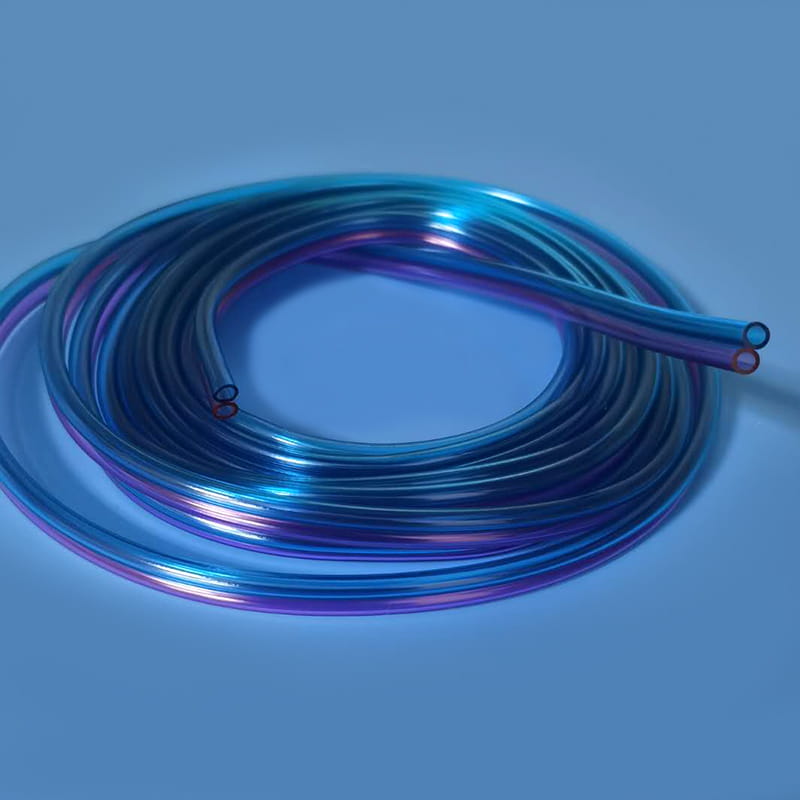
In the field of interventional cardiology and peripheral vascular procedures, the quality and precision of medical devices directly impact clinical outcomes and patient safety. At the foundation of these devices lies a critical component: the medical precision balloon catheter tubing. This specialized material serves as the blank precursor tubing—the raw material from which finished balloon catheters are manufactured. Unlike the final catheter device, medical precision balloon catheter tubing is a semi-finished product designed to meet exacting specifications for dimensional accuracy, material biocompatibility, and mechanical performance. Understanding the technical requirements, material options, and selection criteria for this tubing is essential for medical device manufacturers seeking to produce high-quality interventional instruments that meet regulatory standards and clinical demands.
Understanding Medical Precision Balloon Catheter Tubing
What Distinguishes Balloon Catheter Tubing from Finished Balloon Catheters
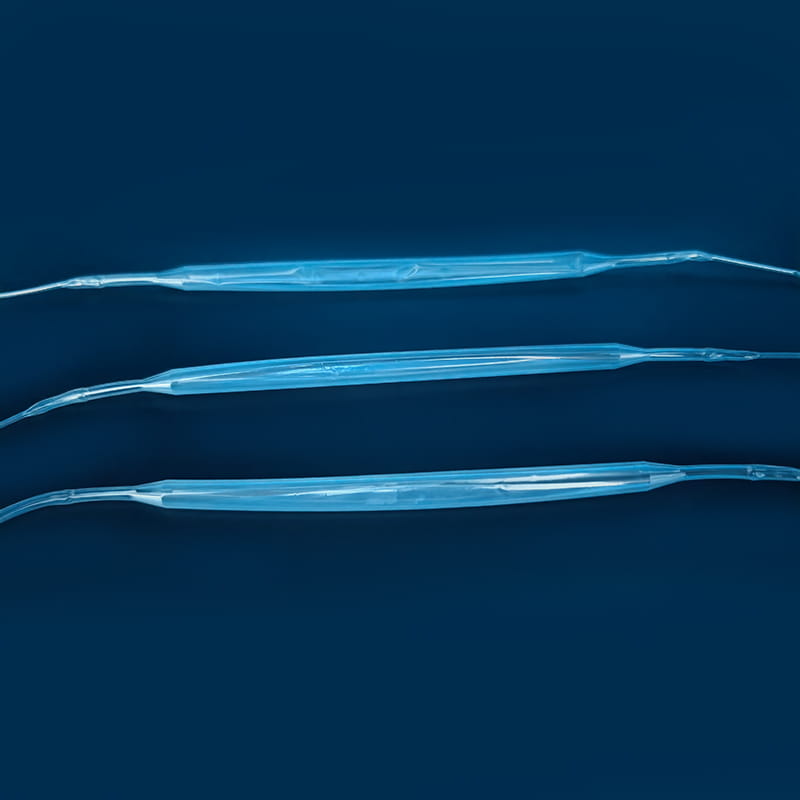
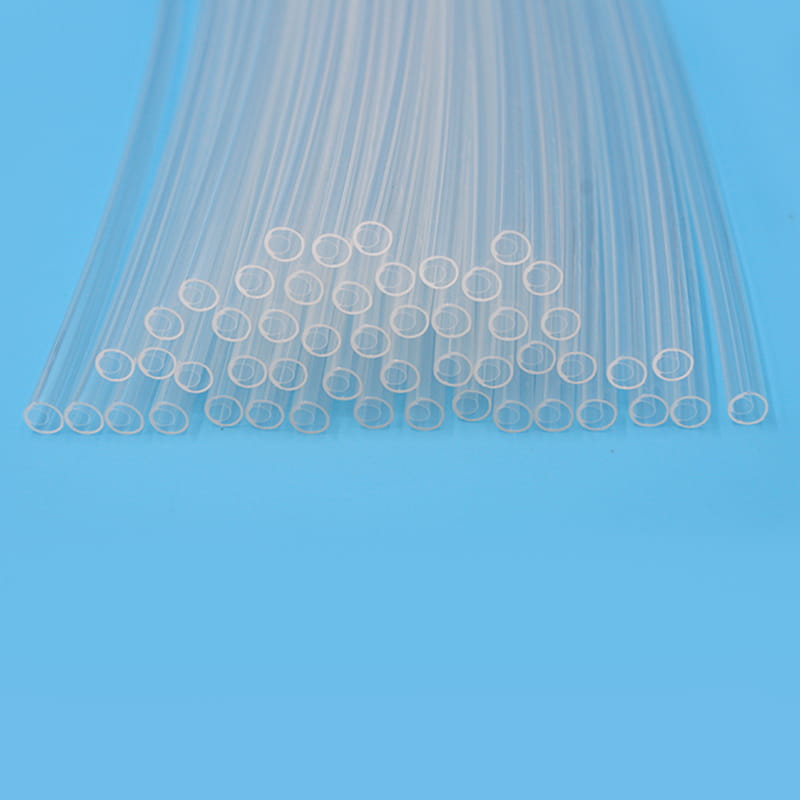
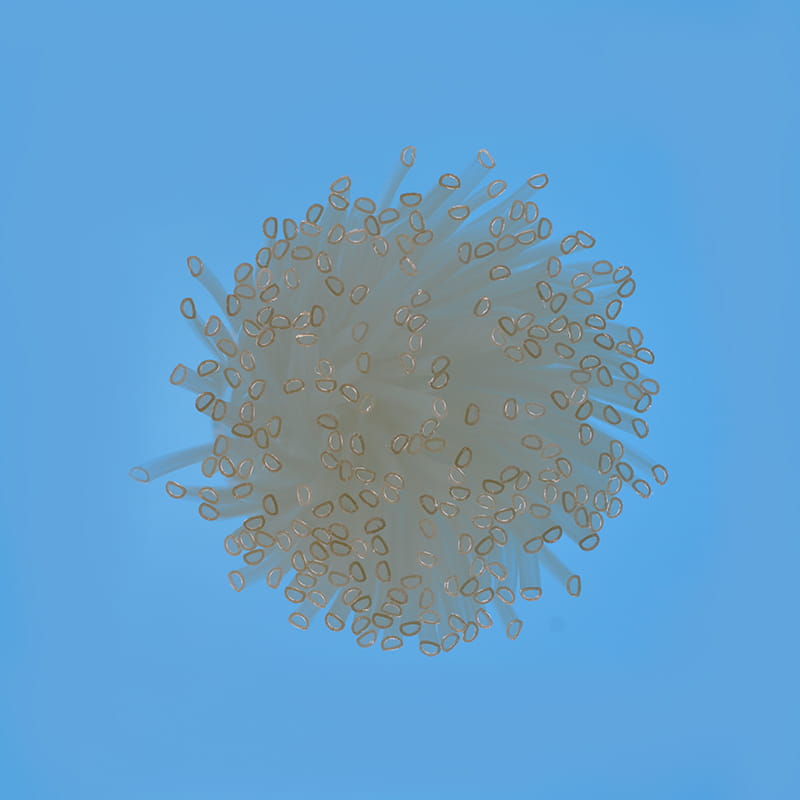
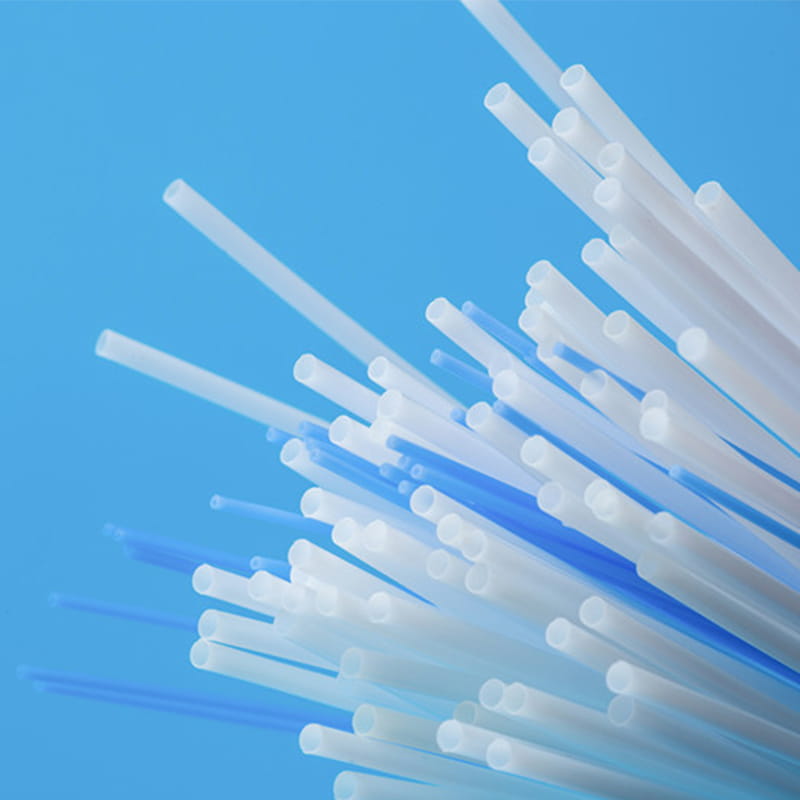
A common source of confusion in medical device procurement involves the distinction between balloon catheter tubing and finished balloon catheters. Balloon catheter tubing—also referred to as blank tubing or precursor tubing—represents the foundational material supplied in standardized lengths and diameters. This tubing has been precision-extruded to meet specific inner diameter (ID), outer diameter (OD), and wall thickness specifications, but it has not yet been formed into the characteristic balloon structure or integrated into a complete catheter assembly.
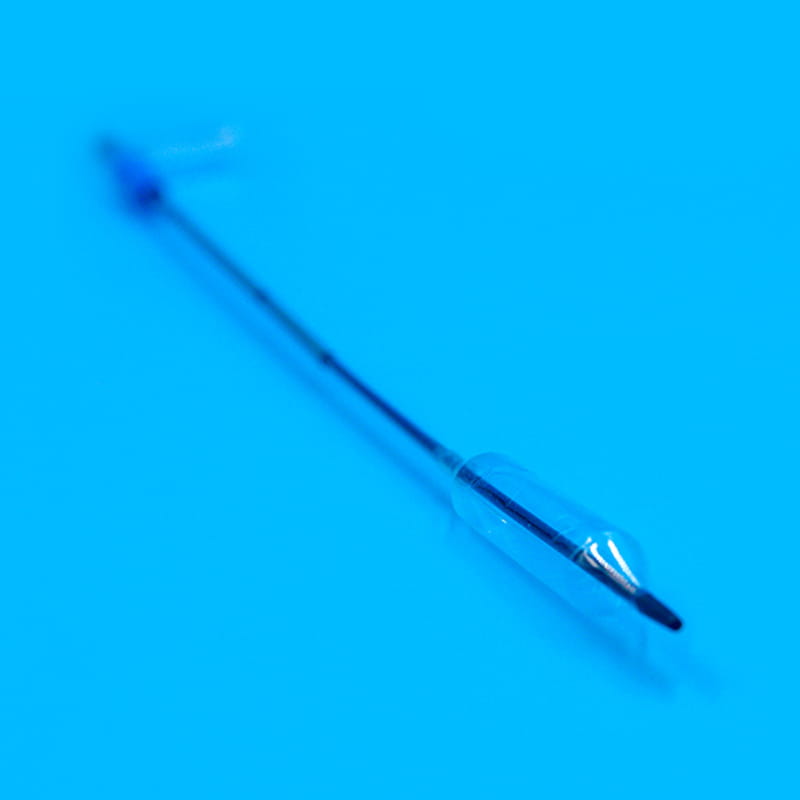
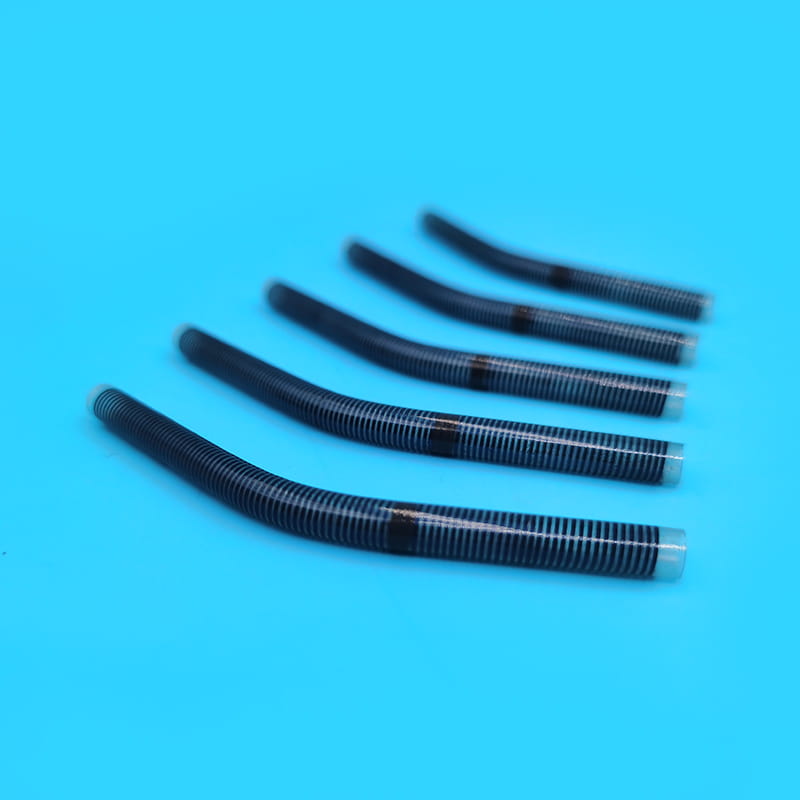
In contrast, a finished balloon catheter is a complete medical device that includes the balloon-forming process, integrated guide wires, coating systems, and other functional components. Manufacturers purchase precision balloon catheter tubing as their starting material, then perform additional processing steps—such as forming the balloon section, applying coatings, and adding markers or other features—to create the final product. Recognizing this distinction is critical because the standards, specifications, and procurement requirements differ significantly between these two categories.
Primary Composition and Manufacturing Process
The most widely used material for precision balloon catheter tubing is Thermoplastic Polyurethane (TPU), a polymer engineered to provide optimal balance between flexibility, durability, and biocompatibility. Thermoplastic polyurethane balloon catheter blank tubing is produced through precision extrusion processes that enable extremely tight control of dimensions and wall uniformity. The manufacturing process involves:
- Raw polymer selection and compounding to achieve required mechanical and chemical properties
- Extrusion through precision die tooling to establish exact inner and outer diameter specifications
- Real-time dimensional monitoring to ensure consistency across production runs
- Quality verification including pressure testing, dimensional inspection, and material certification
This controlled manufacturing approach ensures that each batch of tubing meets the tight tolerances and performance standards required for medical applications. The result is a reliable, consistent material that manufacturers can confidently integrate into their device designs.
Critical Performance Requirements for Medical Precision Balloon Tubing
Dimensional Tolerance and Wall Thickness Uniformity
For interventional medical balloon devices, dimensional precision is not merely a convenience—it is a fundamental requirement. The inner diameter determines how the tubing integrates with guidewires and inflating lumens. The outer diameter affects the overall profile of the finished catheter and its ease of navigation through vascular structures. Wall thickness uniformity is particularly critical because variations create weak points where premature rupture could occur during clinical use.
High-precision medical balloon tubing typically maintains tolerances of plus or minus 0.05 to 0.10 millimeters on the inner diameter, depending on the specific application and manufacturing capability. Wall thickness variation across a single length of tubing should not exceed 0.01 millimeters. Achieving these specifications requires sophisticated extrusion technology, continuous monitoring systems, and rigorous quality control protocols. Manufacturers that invest in this precision capability gain a competitive advantage through superior product consistency and reduced defect rates in downstream production processes.
Burst Pressure and Elongation Performance
During clinical use, balloon catheters experience significant internal pressures when inflated within the vascular system. The pressure-bearing tubing must withstand these forces without rupture, while also maintaining its structural integrity during deflation and manipulation. Burst pressure specifications for medical balloon tubing typically range from 4 to 12 atmospheres, depending on the application and catheter design. The exact requirement is determined by the intended use—for example, peripheral vascular applications may require different pressure ratings than coronary applications.
Equally important is the elongation performance of the material. The tubing must maintain its dimensional stability when subjected to internal pressure, yet also remain flexible enough to navigate tortuous vascular pathways. Elongation at break for thermoplastic polyurethane balloon catheter materials is typically specified between 300 and 500 percent, ensuring the material can deform elastically under stress without permanent deformation or catastrophic failure.
Biocompatibility and Regulatory Compliance
All materials used in medical devices that contact biological tissue must meet strict biocompatibility standards. Thermoplastic polyurethane, while inherently suitable for medical applications, must still be verified for specific chemical extraction profiles, cytotoxicity, and hemocompatibility. The ISO 10993 series of standards provides the framework for these biocompatibility assessments, requiring evaluation of acute toxicity, irritation, sensitization, and systemic toxicity through a combination of laboratory testing and clinical data review.
Manufacturers of medical balloon tubing must maintain documentation demonstrating compliance with ISO 10993, often through third-party laboratory testing and certification. This documentation becomes part of the quality system records that medical device manufacturers rely upon when constructing their own regulatory submissions. Additionally, the raw materials used in tubing manufacture must be medical-grade, with full traceability and supplier qualification documentation.
Surface Smoothness and Lubricity
The internal surface of precision balloon catheter tubing must be exceptionally smooth to facilitate the passage of guidewires and minimize friction during device navigation and manipulation. Irregularities or roughness on the inner surface can create resistance points, impede device advancement, or potentially damage the guidewire coating. Surface roughness (Ra) specifications for medical balloon tubing typically require values below 0.2 micrometers, representing an extremely smooth finish achieved through careful extrusion process control.
In some applications, manufacturers apply proprietary lubricious coatings to the tubing surface to further reduce friction and enhance the clinical performance of the finished catheter. These coatings must also comply with biocompatibility standards and maintain adhesion throughout the product's shelf life and clinical use period.
Material Selection for Interventional Medical Balloon Extruded Tubing
Thermoplastic Polyurethane: The Industry Standard
Thermoplastic polyurethane (TPU) has become the dominant choice for interventional medical balloon tubing applications due to its exceptional combination of properties. TPU provides:
- Inherent biocompatibility without requiring special surface treatments or coatings
- Excellent elasticity and resilience, enabling the material to withstand repeated compression and expansion cycles
- Good tensile strength and tear resistance, maintaining structural integrity under clinical stress
- Ease of processing through standard extrusion equipment, making manufacturing scalable and cost-effective
- Chemical stability in the presence of body fluids, medications, and contrast agents used during interventional procedures
- Consistent batch-to-batch performance when manufactured by qualified suppliers
Within the TPU family, manufacturers may specify different polyols and isocyanate combinations to fine-tune the material properties for specific applications. High-strength TPU formulations are used for high-pressure applications, while softer TPU grades may be selected for applications requiring greater flexibility. This material flexibility allows manufacturers to optimize their catheter designs for particular clinical scenarios.
Alternative Material Options and Comparative Analysis
While TPU dominates the market, alternative materials are employed in specific applications. Polyamide (PA) offers slightly higher stiffness and superior wear resistance, making it suitable for devices that undergo repeated insertion and withdrawal. However, polyamide typically requires additional surface treatment to achieve adequate biocompatibility, and its lower elasticity can make it less suitable for highly flexible catheter applications.
Polyethylene terephthalate (PET) provides excellent tensile strength and dimensional stability, characteristics that make it valuable for ultra-thin-walled applications where maintaining precise dimensions under pressure is critical. Nevertheless, PET's brittleness and limited elongation at break reduce its suitability for highly dynamic clinical applications. Most custom interventional catheters remain TPU-based, with alternative materials selected only when specific technical requirements cannot be met by TPU formulations. When evaluating material options, manufacturers should prioritize proven biocompatibility, established regulatory pathway, and long-term stability data over novel or untested polymer systems.
Clinical Applications of Medical Precision Balloon Catheter Tubing
Cardiovascular and Coronary Interventions
The most established and largest application for medical balloon tubing is in coronary angioplasty and drug-eluting balloon systems. In these procedures, the balloon is advanced through the arterial system to the site of coronary stenosis, inflated to compress the stenotic lesion, and then deflated and withdrawn. The tubing must meet exceptionally stringent specifications for wall thickness uniformity, surface smoothness, and burst pressure. Coronary applications typically require the smallest diameter tubing (1.5 to 3.5 millimeters outer diameter) with very thin walls to minimize the crossing profile of the finished catheter.
Peripheral Vascular Interventional Procedures
Peripheral vascular interventions, including femoral-popliteal angioplasty and subclavian artery revascularization, employ balloons with different dimensional specifications than coronary applications. These devices typically feature larger diameters (4 to 8 millimeters outer diameter) and may tolerate slightly thicker walls while maintaining adequate flexibility. The lower cost sensitivity and longer delivery distances in peripheral applications sometimes allow for material compositions and manufacturing processes optimized for cost-effectiveness without sacrificing performance. The diversity of peripheral vascular anatomy—from relatively straight segments to highly tortuous vessels—places demands on tubing flexibility and kink resistance.
Non-Vascular Dilation Applications
Medical precision balloon tubing serves important roles in non-vascular interventional procedures, including urological and gastroenterological applications. Ureteral balloon dilation, gastroesophageal stricture management, and biliary sphincter dilation all rely on precision balloon catheters manufactured from specialized tubing. These applications often require different mechanical properties than vascular interventions, such as slightly higher burst pressure capabilities or greater chemical resistance to bile and gastric fluids. Specialized medical balloon tubing formulations exist to meet these diverse clinical requirements.
Custom Design Options and Manufacturing Capabilities
Specification Options for Precision Design
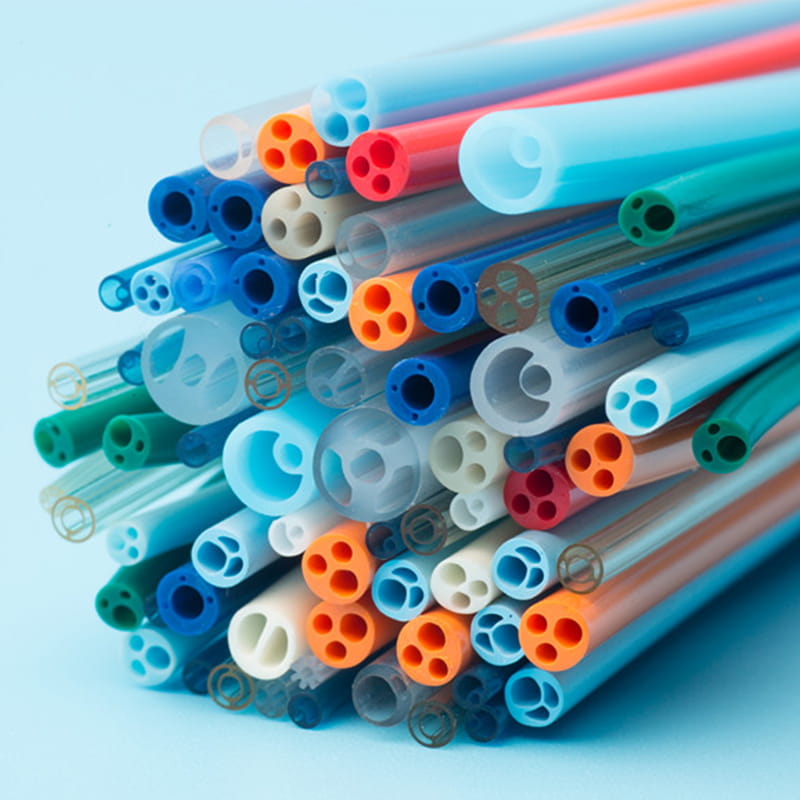
Medical device manufacturers rarely purchase off-the-shelf tubing for their designs. Instead, they work with experienced suppliers to develop custom specifications that precisely match their clinical and technical requirements. The following parameters can be customized:
| Parameter | Typical Range | Clinical Impact |
|---|---|---|
| Inner Diameter (ID) | 1.2 mm to 10 mm | Determines guidewire compatibility and lumen functionality |
| Outer Diameter (OD) | 1.5 mm to 12 mm | Affects device crossing profile and vascular navigation |
| Wall Thickness | 0.1 mm to 0.8 mm | Influences burst pressure, flexibility, and wall uniformity |
| Tolerance Grade | Standard to Precision | Tighter tolerances reduce variability and production losses |
| Tube Length | Custom per order | Enables manufacturers to optimize inventory and minimize waste |
Material Modifications and Coating Options
Beyond the base TPU material, manufacturers can specify modified TPU formulations that enhance specific properties. Radiopaque-filled TPU incorporates barium sulfate or other radiopaque agents, allowing the finished balloon to be visualized under fluoroscopy without requiring separate radiopaque markers. Colored TPU—available in blue, yellow, green, and other hues—aids in visual identification during complex multi-catheter procedures and simplifies device tracking within clinical environments.
Custom medical precision balloon catheter tubing suppliers also offer specialty material options including water-resistant coatings, enhanced lubricious surfaces, and temperature-stable formulations for devices that will undergo terminal sterilization at elevated temperatures. Each modification must be validated for compatibility with the intended sterilization method, storage conditions, and clinical application.
Prototyping and Small-Batch Production Services
Developing a new balloon catheter design involves iterative refinement and testing. Specialized suppliers understand this development process and provide small-batch prototyping services, allowing manufacturers to evaluate tubing samples before committing to larger production quantities. These services typically include rapid tooling for extrusion dies, accelerated dimensional verification, and biocompatibility documentation packages scaled to match the sample quantity.
The transition from prototyping to volume production requires careful process validation and scale-up planning. Suppliers with established quality systems and production experience can scale manufacturing from tens of meters (for prototypes) to thousands of meters per month (for production) while maintaining consistent specifications and performance characteristics.
Selecting a Reliable Medical Balloon Tubing Manufacturer
Verify Biocompatibility Certifications and Documentation
The first evaluation criterion should be comprehensive biocompatibility documentation. Request suppliers to provide ISO 10993 compliance certificates covering acute toxicity, irritation, sensitization, and systemic toxicity. Suppliers should maintain complete traceability documentation for all raw materials used in tubing production, including material safety data sheets and supplier qualification records. Ideally, the supplier should hold relevant ISO certifications (ISO 13485 for medical device quality management systems) demonstrating their commitment to consistent quality and regulatory compliance.
Assess Extrusion Precision and Quality Control Practices
Request detailed information about the supplier's quality control processes, including in-process dimensional monitoring, batch testing procedures, and documented specifications for critical parameters. Ask for examples of dimensional test reports for previous production runs, including data showing the range of achieved tolerances and any corrective actions taken when specifications were approached. A manufacturer confident in their precision will readily provide this documentation.
Additionally, inquire about pressure testing capabilities and burst pressure verification methods. Suppliers should be able to demonstrate their ability to perform destructive testing on representative samples from production batches to verify that minimum burst pressure specifications are reliably exceeded.
Evaluate Lead Times and Sample Support
A reliable supplier balances quality with responsiveness. Inquire about typical lead times for custom tubing production and the flexibility available for expedited orders. The ability to produce samples within 2 to 4 weeks, while maintaining full quality documentation, indicates a supplier with adequate capacity and planning discipline. Ask whether the supplier maintains safety stock of common tube sizes or requires all orders to be custom-manufactured.
Sample provision represents an investment in the development partnership. Reputable suppliers will provide small samples (typically 1 to 5 meters) at reasonable cost or even at no cost for serious development partnerships. This willingness to provide samples indicates confidence in their product quality and commitment to supporting customer success.
Assess Supply Chain Stability and Longevity
Medical device development often extends over several years, from initial concept through regulatory approval to commercial production. Manufacturing partnerships must withstand this extended timeline. During supplier evaluation, inquire about the company's operational history, market presence, and financial stability. Verify that the supplier maintains adequate capacity not only for your current estimated volume but also for reasonable growth projections as your products gain market acceptance.
Frequently Asked Questions About Medical Precision Balloon Catheter Tubing
Q1: What is the primary difference between medical precision balloon catheter tubing and extruded tubing used in non-medical applications?
The fundamental difference lies in the regulatory requirements and quality standards governing production. Medical tubing must meet stringent biocompatibility requirements, undergo documented traceability systems, and be produced under quality management systems validated for medical device manufacturing. Non-medical extruded tubing may meet dimensional specifications but lacks the biocompatibility validation and regulatory documentation essential for clinical applications. Additionally, medical tubing production typically incorporates more frequent quality testing, tighter dimensional tolerances, and comprehensive batch documentation to support regulatory submissions and clinical use.
Q2: Can standard TPU balloon catheter blank tubing be used directly without further processing?
Precision balloon catheter tubing is a precursor material; it is not suitable for direct clinical use. Before use, the tubing undergoes additional manufacturing steps including balloon forming (typically through heat sealing and pressurization), integration with guidewires or other functional components, surface coating application, sterilization, and packaging. The finished product—a complete balloon catheter assembly—is what ultimately contacts biological tissue and performs the clinical function. Attempting to use raw tubing bypasses these essential processing steps and would be both functionally inadequate and regulatory non-compliant.
Q3: How tight can dimensional tolerances be for medical balloon tubing?
Modern precision extrusion technology can achieve inner diameter tolerances of plus or minus 0.025 to 0.05 millimeters for smaller tubes (1 to 3 millimeters inner diameter) and plus or minus 0.05 to 0.10 millimeters for larger tubes. Wall thickness can be controlled to plus or minus 0.01 to 0.02 millimeters. These tolerances represent the capabilities of leading manufacturers; more modest tolerances are typical of general-purpose suppliers. The achievable tolerance depends on material characteristics, desired production volume (prototyping requires different tooling than mass production), and the specific size of the tubing being produced. Tighter tolerances require more sophisticated tooling and process control, typically justifying slightly higher material costs.
Q4: What is the typical lead time for custom medical precision balloon catheter tubing?
Lead times vary based on the complexity of the specification and the supplier's current capacity. For straightforward specifications on tubes with existing die tooling, lead times may be 4 to 6 weeks from order placement. Custom specifications requiring new tooling development typically require 8 to 12 weeks, as the supplier must design, manufacture, and validate the extrusion die before production can begin. Expedited services may be available at premium costs for urgent requirements. Sample quantities typically have shorter lead times (2 to 4 weeks) since suppliers can prioritize these relatively small runs through existing equipment.
Q5: Are there ISO or other regulatory standards specifically governing medical balloon catheter tubing?
While no standard specifically defines "medical balloon catheter tubing" in isolation, the tubing must comply with relevant medical device standards including ISO 10993 (Biocompatibility of Medical Devices) for material safety assessment, ISO 13485 (Medical Devices Quality Management Systems) for manufacturing processes, and general FDA Quality System Regulation (QSR) requirements in the United States. Additionally, relevant device-specific standards may apply—for example, ISO 10555 addresses urological catheters and related materials. Each application area may have unique regulatory pathways and standards, so manufacturers should verify the specific regulatory requirements for their intended use before finalizing tubing specifications.
Q6: How can I verify that a supplier's balloon catheter raw material meets my specifications?
Request that the supplier provide comprehensive test reports with each production batch. These should include dimensional measurements (inner diameter, outer diameter, wall thickness), burst pressure test results, visual inspection documentation, and batch material certificates. For critical applications, conduct independent third-party testing on samples from each production batch. Establish a qualification process early in your partnership where you evaluate multiple sample batches before approving the supplier for production orders. This process—often called supplier qualification—protects product consistency and provides confidence that subsequent production batches will meet specifications.
Q7: What role does surface finish play in balloon catheter performance?
The internal surface finish directly affects device clinical performance. A rough or irregular internal surface creates friction points that resist guidewire passage, increase required insertion force, and potentially damage guidewire coatings. A smooth internal surface—specified as Ra (arithmetic mean roughness) below 0.2 micrometers—facilitates easy device advancement and reduces trauma to the vascular system. In some cases, manufacturers apply additional lubricious coatings to further enhance this property. External surface finish affects aesthetic appearance and aesthetic feel during handling, though it has minimal clinical significance for non-contact external surfaces.
Q8: Can medical balloon catheter tubing be sterilized, and what sterilization methods are compatible?
Yes, precision medical balloon tubing can be sterilized using multiple methods including ethylene oxide (ETO) gas sterilization, gamma radiation, and electron beam irradiation. The specific methods compatible with your finished catheter depend on the materials and coatings used. TPU-based tubing generally tolerates all three standard sterilization methods without significant property degradation. However, some material modifications (such as specific colorants or coatings) may have limited compatibility with certain sterilization techniques. Sterilization compatibility must be verified during product development through appropriate testing and should be confirmed with your tubing supplier, as they understand the material composition and can provide guidance on sterilization method selection.
Conclusion: Making Informed Decisions for Balloon Catheter Material Selection
Medical precision balloon catheter tubing represents a specialized material category requiring deep technical knowledge, regulatory understanding, and rigorous quality assurance. The distinction between balloon catheter tubing and finished catheters, while subtle, has significant implications for procurement, quality control, and regulatory compliance. Thermoplastic polyurethane continues to dominate this market due to its exceptional combination of biocompatibility, mechanical performance, and manufacturing flexibility, though alternative materials serve specific niche applications.
Successful selection of medical balloon catheter tubing requires evaluating supplier capabilities across multiple dimensions: biocompatibility documentation, dimensional precision, surface quality, material consistency, and business stability. Request detailed technical specifications, review quality control documentation, evaluate sample quality, and establish clear specifications for all critical parameters before committing to production quantities. The investment in careful supplier selection yields dividends through improved product consistency, reduced manufacturing defects, and enhanced clinical performance of your finished devices.
As interventional medical procedures continue to advance in complexity and clinical demands intensify, the specifications for balloon catheter tubing will likely continue to tighten. Manufacturers who invest in partnerships with capable, quality-focused suppliers position themselves to meet these emerging requirements and maintain competitive advantage in an increasingly demanding marketplace. Your choice of medical precision balloon catheter tubing supplier should reflect your commitment to clinical excellence and patient safety.
For more information, please call us at +86-18913710126 or email us at [email protected].
In the field of interventional cardiology and peripheral vascular procedures, the quality and prec...
Medical intervention in complex anatomical pathways demands precision, flexibility, and reliability...
What Is a Pressure Extension Tube and Why It Matters in Clinical Practice A pressure extension tube...
Polyimide tubing has become indispensable in modern medical device engineering. From minimally inv...
Understanding FEP Guidewire Protective Sheath Tubing Minimally invasive medical procedures have re...
A medical peristaltic pump tube is a specialized fluid transfer component designed for accurate, st...