
 English
  عربى
عربى  中文简体
中文简体  русский
  Français
  Deutsch
 What Is a Drainage Catheter and How Does It Work?
What a Drainage Catheter Is and How It Works
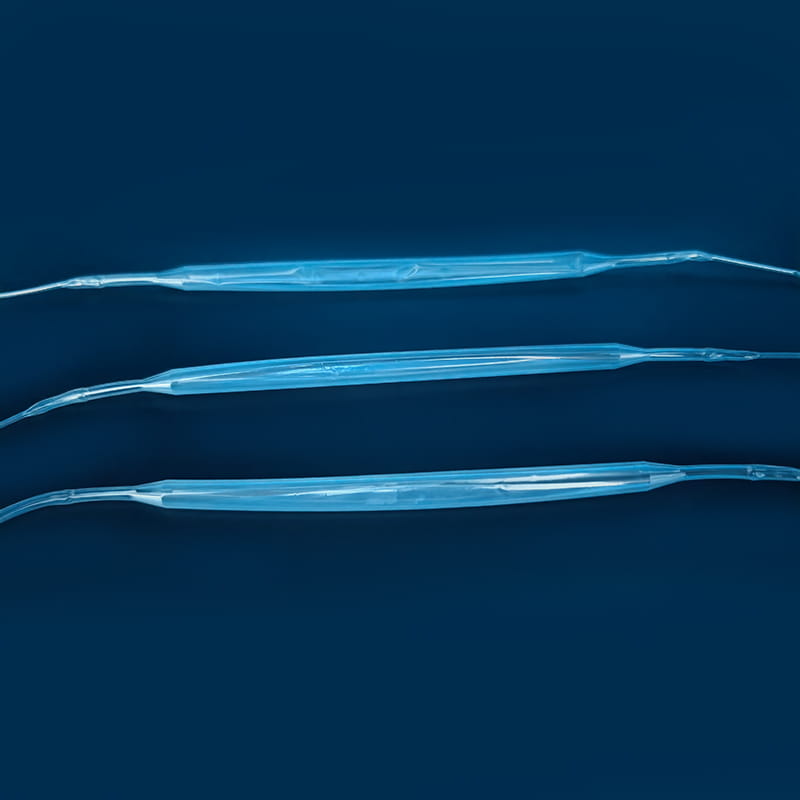
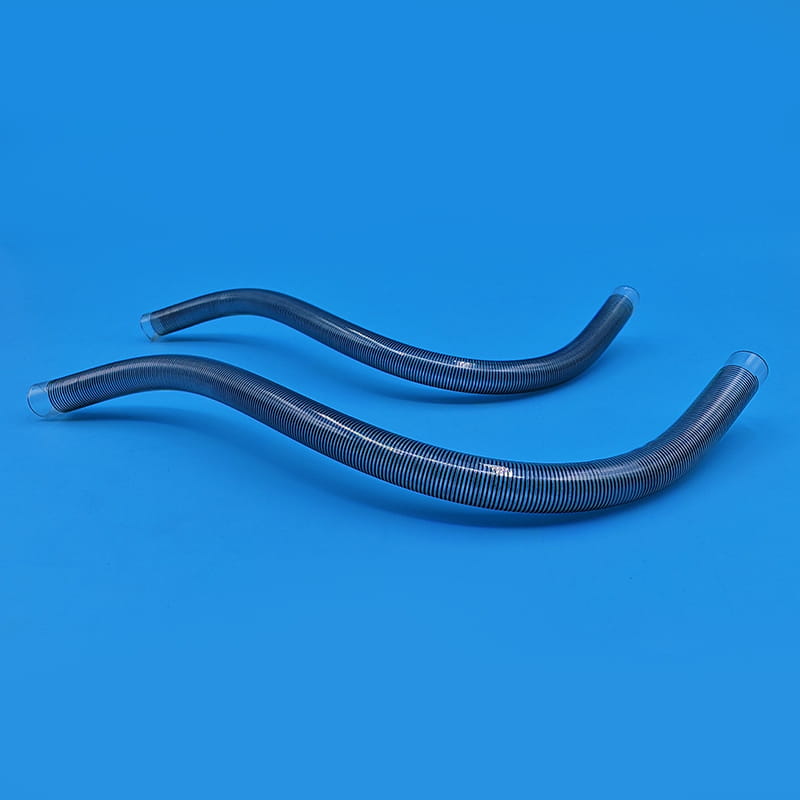
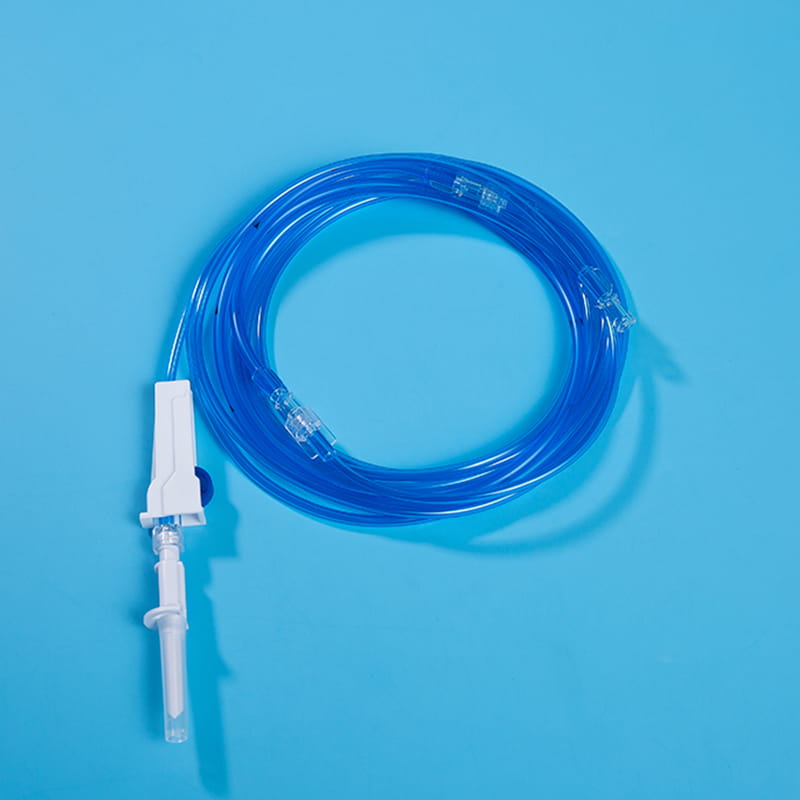
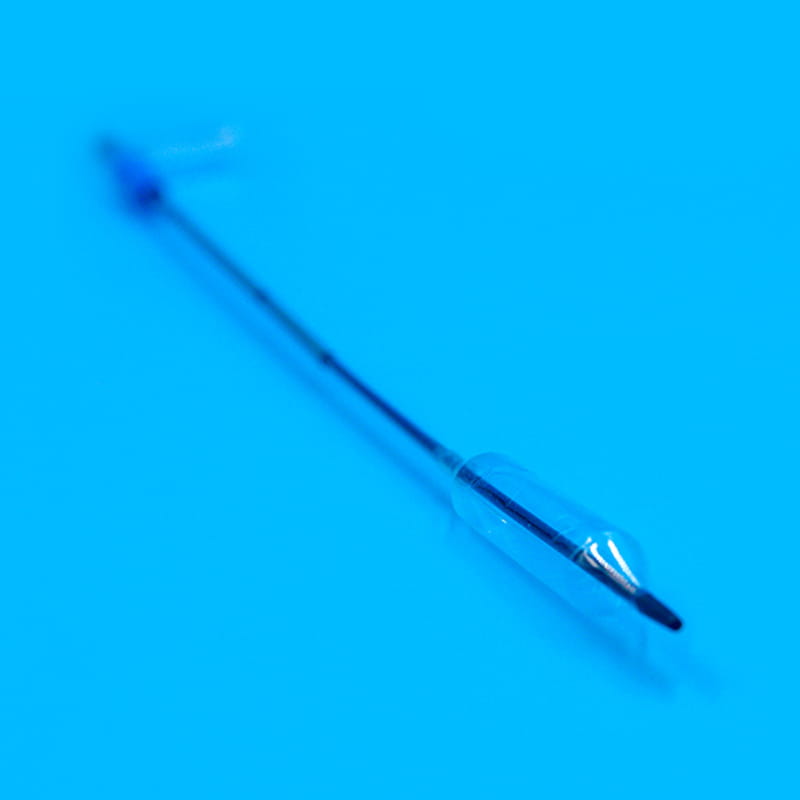
A drainage catheter is a flexible tube inserted into the body to remove unwanted fluid (such as pus, blood, or ascites) from a cavity, abscess, or organ. It works by creating a low-pressure pathway using gravity or suction, allowing fluid to passively flow out or be actively aspirated into an external collection bag. Drainage catheters are essential in preventing sepsis, relieving pressure, and promoting healing — often eliminating the need for open surgery.
Core Mechanism: Passive vs. Active Drainage
Drainage catheters function through two primary mechanisms. Understanding the difference helps clinicians select the method for each clinical scenario.
Passive Drainage (Gravity-Dependent)
Relies on gravity and pressure gradients. The catheter exits the body and connects to a closed collection bag placed below the patient’s body level. Over 60% of post-operative surgical drains use this method because it requires no external suction device.
Active Drainage (Suction-Assisted)
Uses negative pressure from a vacuum bottle, wall suction, or a manual pump. Active drainage removes fluid up to 3× faster than passive systems in high-output situations like large pleural effusions or deep abscesses.
Key practical takeaway: Passive systems are simpler and lower-risk for thin fluids; active systems are preferred for viscous fluids or deep anatomical spaces.
Critical Components of a Drainage Catheter
Modern catheters are engineered for safety and efficiency. Below are the essential parts that directly impact performance:
Pigtail or straight tip: The coiled “pigtail” retention shape prevents dislodgement — used in over 80% of percutaneous abscess drainages.
Multiple side holes: Increase drainage area and reduce clogging. Typical catheters have 4 to 12 side holes.
Radiopaque stripe: Allows X-ray visualization to confirm correct placement.
Three-way stopcock or valve: Enables switching between drainage, irrigation, and sampling without contamination.
Clinical Scenarios Where Drainage Catheters Are Essential
Drainage catheters are not a “one-size-fits-all” device. Their use is evidence-based and targeted to specific pathologies.
Intra-abdominal abscesses: Percutaneous catheter drainage resolves 85–90% of appendiceal or diverticular abscesses, avoiding emergency surgery.
Pleural effusion/empyema: A thoracic drainage catheter restores lung expansion and removes infected fluid. Success rates exceed 90% when combined with fibrinolytics.
Obstructive hydronephrosis: Nephrostomy catheter decompresses the kidney, preserving renal function within 24–48 hours.
Post-operative seromas or hematomas: Preventive drainage after mastectomy or liver resection reduces wound complications by 30–50%.
Step-by-Step: How Insertion and Drainage Work in Practice
A standard percutaneous drainage catheter placement follows this sequence (usually under ultrasound or CT guidance):
Site selection: Imaging identifies the safest path, avoiding bowel, vessels, and pleura.
Local anesthesia and needle access: A thin needle enters the fluid collection.
Guidewire insertion: A flexible wire is passed through the needle into the cavity.
Catheter advancement: The drainage catheter slides over the guidewire into position.
Tip retention: The pigtail is formed (or balloon inflated) to secure the catheter.
Connection to drainage system: Active or passive collection begins immediately.
Clinical data: Over 95% of image-guided drainage catheter placements succeed on the attempt, with a major complication rate below 2% in experienced hands.
Monitoring Output: What the Numbers Tell You
Daily fluid output volume, color, and consistency guide clinical decisions. The table below shows standard thresholds for different drainage types:
| Fluid Type | Typical Daily Output | Catheter Removal Criteria |
|---|---|---|
| Serous (post-op) | 50–200 mL/day | <25–50 mL/day for 2 consecutive days |
| Purulent (abscess) | 20–150 mL/day | Clear fluid + afebrile for 48h + output <10 mL/day |
| Pleural effusion | 100–500 mL/day initially | No air leak + lung expanded + output <100 mL/day |
| Bilious/pancreatic | Varies widely | Amylase or bilirubin level <3× normal + output trending down |
Warning signs: Sudden output drop with fever suggests catheter obstruction or loculated re-accumulation; new blood-stained fluid >50 mL/day indicates possible vessel erosion.
Practical Maintenance and Troubleshooting
Proper care directly prevents catheter failure — a major cause of prolonged hospitalization. Follow these evidence-based practices:
Daily Inspection
Check for kinks, dislodgement, or leakage at the skin entry site. Up to 15% of premature catheter removals are due to accidental pulling.
Irrigation Protocol
When output suddenly drops but the patient remains symptomatic, flush with 5–10 mL sterile saline using aseptic technique. Routine irrigation is NOT recommended unless ordered — it can introduce infection.
Securement Strategy
Sutureless anchor devices reduce skin trauma and migration. A secure catheter lowers the 30-day failure rate by 40% compared to traditional tape alone.
Complications and Risk Mitigation
While generally safe, drainage catheters carry specific risks. Awareness allows early intervention.
Catheter occlusion (5–10% of cases): Prevented by using larger lumen catheters (10–14 Fr) for thick fluids.
Accidental dislodgement (2–8%): Reduced with internal pigtail or locking loops.
Catheter-related infection (1–3% per week of dwelling): Minimized by removing the catheter as soon as clinically feasible — median dwell time for abscess drainage is 7–10 days.
Bleeding or visceral injury (<1%): Nearly eliminated with ultrasound/CT guidance.
Bottom line: When used and maintained correctly, drainage catheters have an overall clinical success rate of 85–95% across indications, with failures due to underlying disease progression rather than device malfunction.
For more information, please call us at +86-18913710126 or email us at [email protected].
Polyimide tubing has become indispensable in modern medical device engineering. From minimally inv...
Understanding FEP Guidewire Protective Sheath Tubing Minimally invasive medical procedures have re...
A medical peristaltic pump tube is a specialized fluid transfer component designed for accurate, st...
The Evolution of Catheter Visualization Technology Minimally invasive procedures have fundamentally...
Understanding Medical Catheters in Modern Healthcare Medical devices have revolutionized patient ca...
A straight catheter reaches most of the airway, but the last centimeter into a tracheostomy branch...