
 English
  عربى
عربى  中文简体
中文简体  русский
  Français
  Deutsch
 How Does a Single-Lumen Endobronchial Tube Help in Lung Isolation During Surgery?
Introduction
Single-lumen endobronchial tubes are a critical component of respiratory therapy, especially for patients requiring mechanical ventilation. These tubes play a vital role in maintaining the oxygen supply and carbon dioxide removal, which are essential for patients with compromised respiratory functions. As a technology, single-lumen endobronchial tubes effectively reduce the respiratory burden, protect the upper airway from potential hazards, and minimize the risk of postoperative complications.
What Are Single-Lumen Endobronchial Tubes?
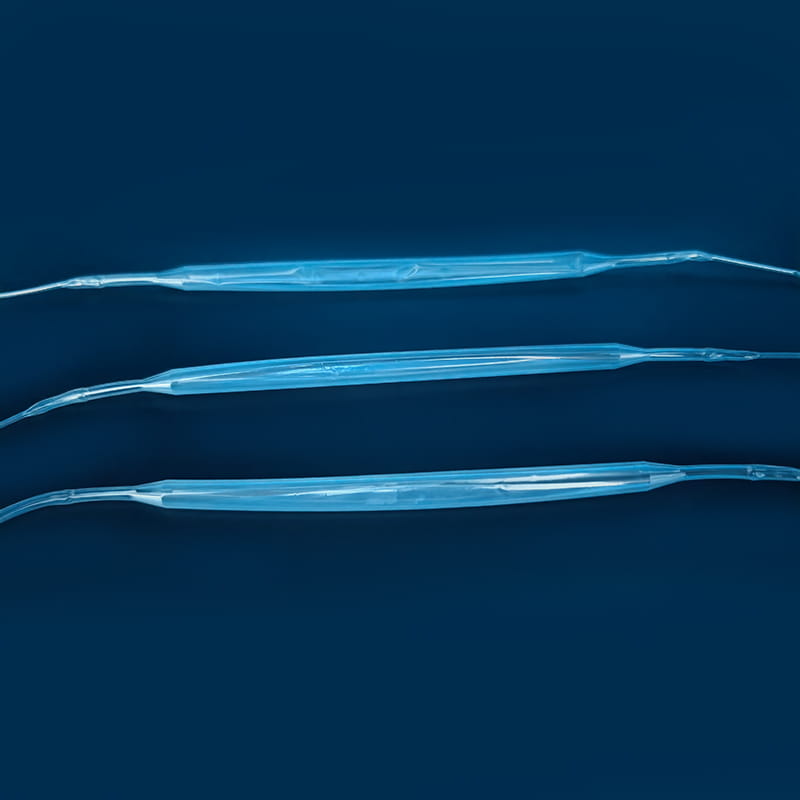
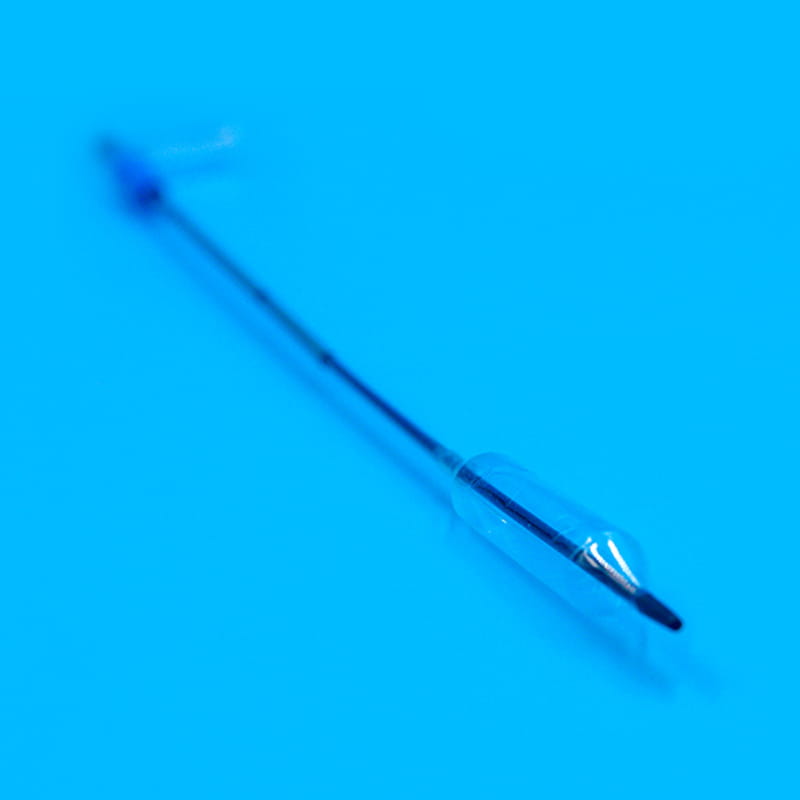
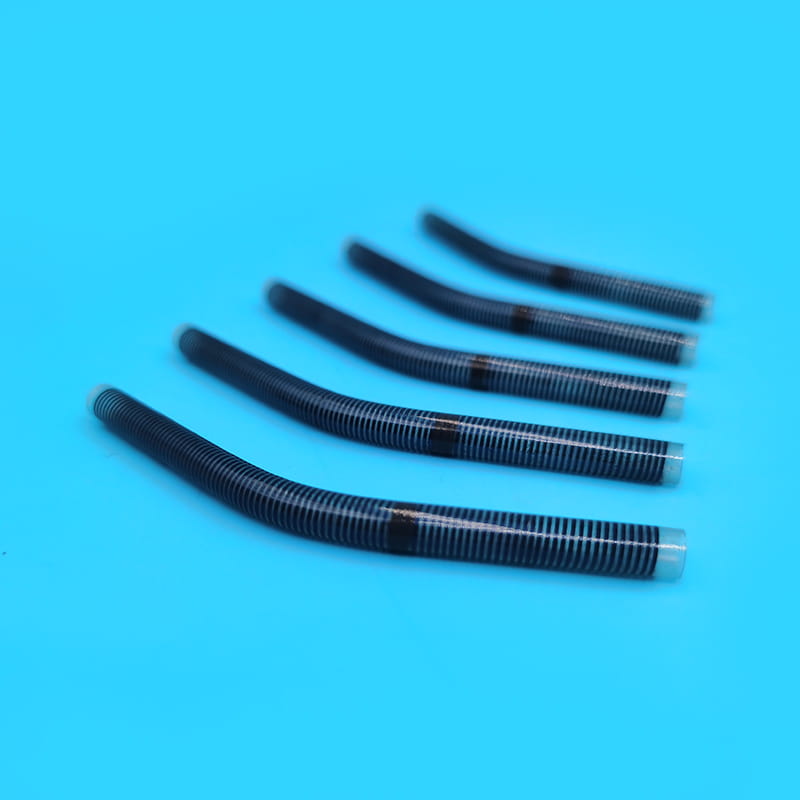
Single-lumen endobronchial tubes are medical devices inserted into the bronchial tree for the purpose of airway management and ventilation. They are typically used in scenarios where lung isolation is necessary during surgical procedures, particularly those involving the chest. The single-lumen tube is designed to facilitate ventilation through one bronchus, thus isolating one lung from the other. This is often required during thoracic surgeries to prevent contamination or to allow independent ventilation of each lung.
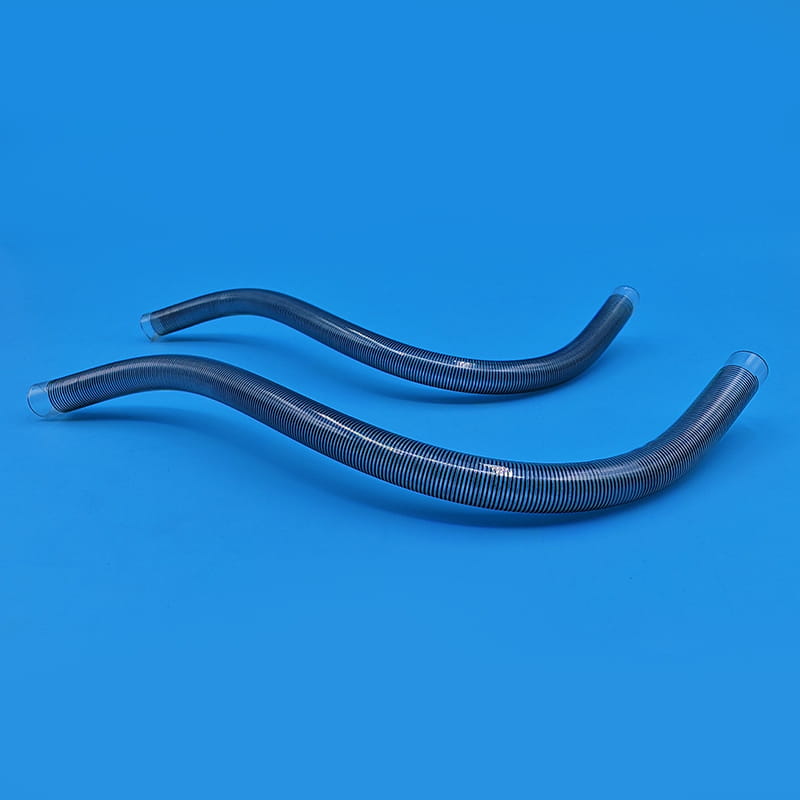
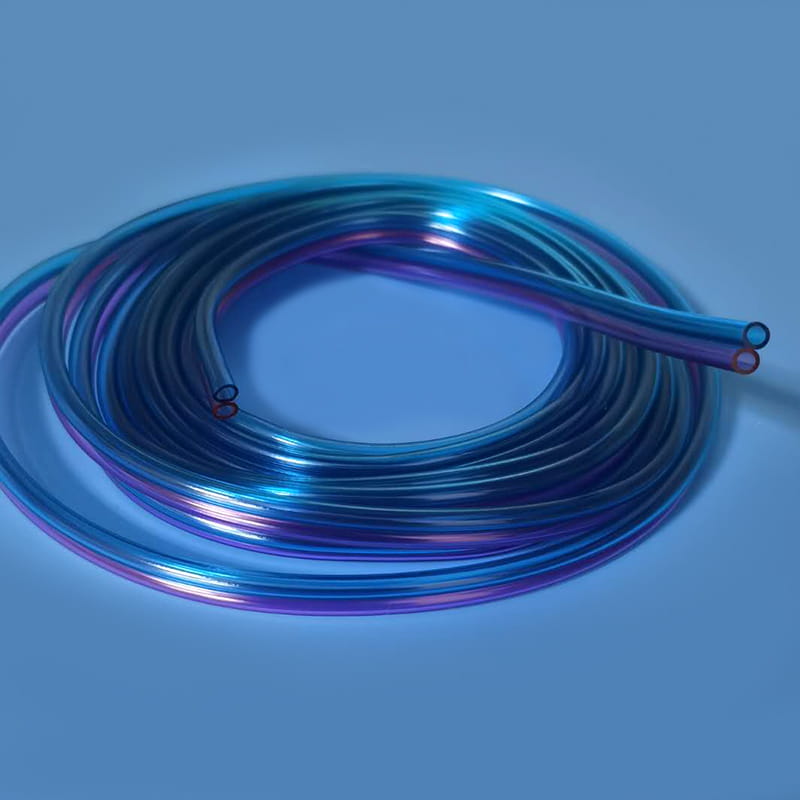
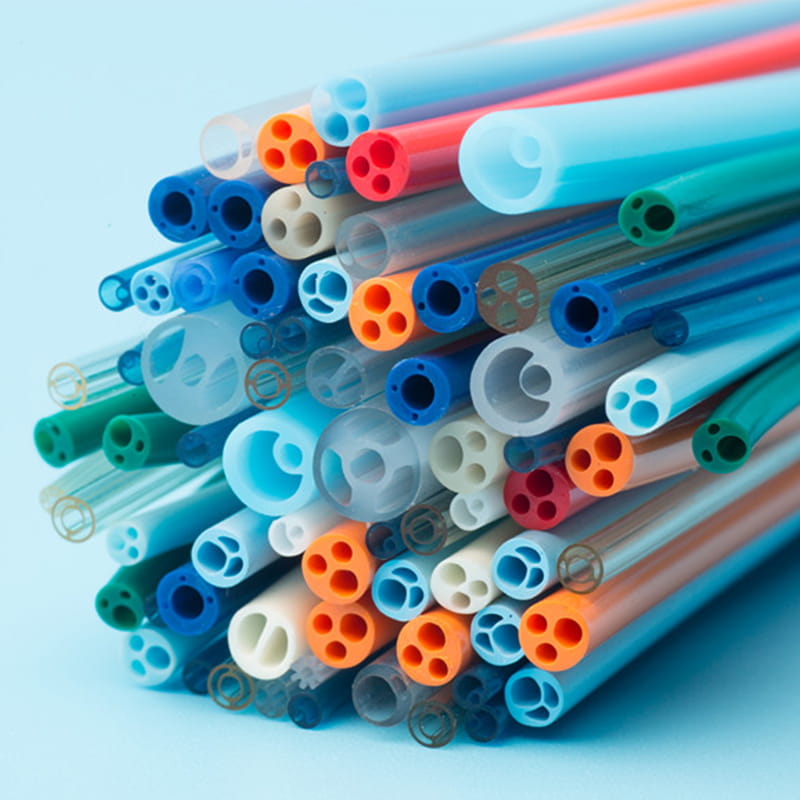
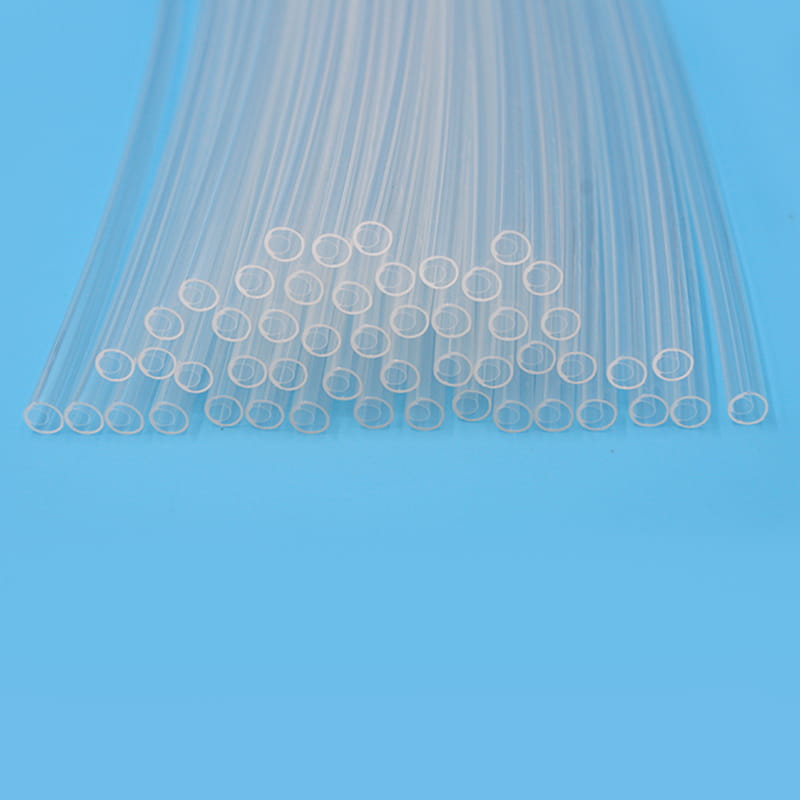
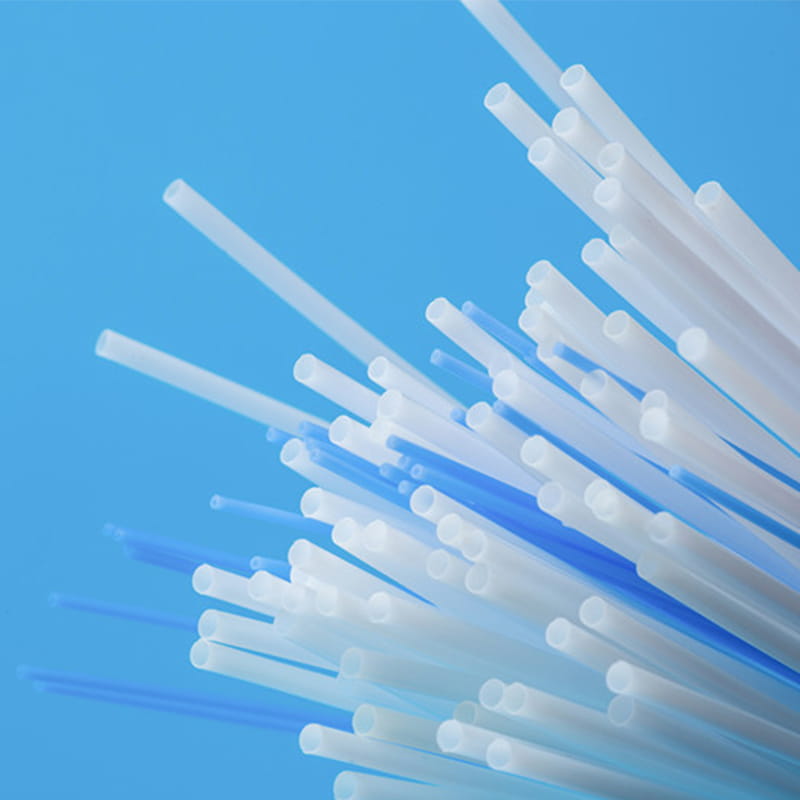
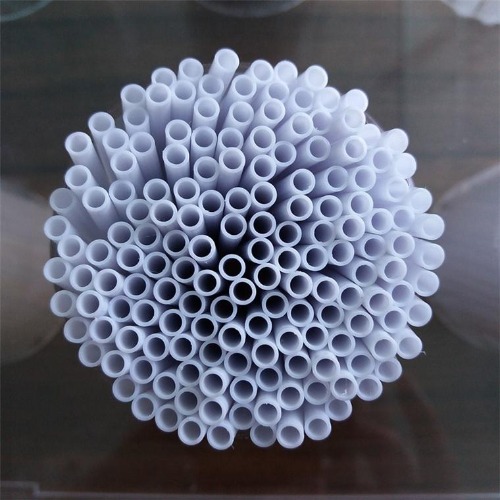
The design of these tubes varies, but commonly they are made from materials such as polyurethane (PU), Pebax®, nylon, HDPE, LDPE, and PVC. These materials ensure durability and flexibility, making the tube both functional and comfortable for patients. The extrusion capacity for these tubes varies from 0.20mm to 20mm in outer diameter, with inner diameters ranging from 0.10mm to 18mm. With tolerances as precise as ±0.02mm, the tubes can be customized to meet the specific needs of patients, ensuring a secure fit and minimizing potential complications during intubation.
Key Features of Single-Lumen Endobronchial Tubes
The technology behind single-lumen endobronchial tubes has evolved significantly, with innovations aimed at improving patient outcomes. Some of the key features include:
Lung Isolation: The primary purpose of a single-lumen endobronchial tube is to isolate one lung. This isolation is crucial for surgeries like lung resections, where the unaffected lung needs to be ventilated while the diseased lung is isolated.
Material Flexibility: Materials such as PU, Pebax®, and nylon offer enhanced flexibility, ensuring that the tube conforms to the airway structure, reducing the risk of irritation and injury.
Customizability: The ability to custom-extrude the tube according to the specifications of the patient allows for better fitting, minimizing discomfort and improving the efficiency of the procedure.
Precise Tolerances: With tolerances as accurate as ±0.02mm, these tubes ensure an exact fit for a variety of airway sizes, enhancing the precision of intubation and minimizing complications.
Reduced Risk of Harm: Single-lumen tubes are designed to protect the upper airway from food ingestion, suction, and other harmful substances. This is essential in preventing infections and other complications that may arise from aspiration.
The Role of Single-Lumen Endobronchial Tubes in Medical Procedures
Single-lumen endobronchial tubes are primarily used in thoracic and pulmonary surgeries. They are ideal for procedures that require lung isolation or independent ventilation. However, the use of single-lumen tubes extends beyond surgery. They are also critical in emergency situations and for patients undergoing mechanical ventilation in intensive care units (ICUs).
Key Applications:
- Thoracic Surgeries: In surgeries such as lung resections, heart surgeries, or esophageal surgeries, a single-lumen endobronchial tube is often used to isolate one lung, ensuring the unaffected lung continues to receive oxygenated air.
- Mechanical Ventilation: In ICU settings, these tubes provide a critical function by ensuring proper airflow to patients who are unable to breathe independently.
- Lung Expansion and Suctioning: Once intubated, it is essential to monitor the tube placement, adjust ventilator settings, and provide lung expansion through suctioning and other respiratory support measures.
Considerations in Using Single-Lumen Endobronchial Tubes
While single-lumen endobronchial tubes are essential tools in respiratory care, their application requires specialized medical expertise. Medical professionals must ensure the following steps are carefully managed:
Prediction of Tube Length: Properly estimating the tube length is essential for ensuring that the tube reaches the correct bronchial location without causing damage to the airway.
Selection of Tube Size: Choosing the appropriate size tube based on the patient’s anatomical requirements is critical. Too large or too small a tube may cause complications during the intubation process.
Intubation Techniques: Advanced intubation skills are required to insert the tube effectively without causing injury to the airways.
Monitoring and Placement: After insertion, healthcare providers must constantly monitor the tube’s position to ensure it is correctly placed and remains functional throughout the procedure.
Key Specifications of Single-Lumen Endobronchial Tubes
| Specification | Value |
|---|---|
| Outer Diameter | 0.20mm to 20mm |
| Inner Diameter | 0.10mm to 18mm |
| Materials | PU, Pebax®, Nylon, HDPE, LDPE, PVC, etc. |
| Tolerances | ±0.02mm |
| Application | Thoracic surgeries, ICU ventilation, lung isolation |
| Customization Available | Yes (custom-extrusion per specifications) |
Post-Intubation Care and Respiratory Support
Effective respiratory support is crucial after the intubation of a single-lumen endobronchial tube. This includes measures such as:
- Lung Expansion: Ensuring that both lungs are expanded to avoid atelectasis and other complications.
- Suctioning: Removing secretions and ensuring that the airway remains clear for proper ventilation.
- Ventilator Adjustment: Fine-tuning ventilator settings to match the patient’s respiratory needs is essential for ensuring ventilation and oxygenation.
Regular monitoring of the tube position, the patient’s oxygen levels, and lung conditions are necessary to ensure that the patient remains stable during the procedure.
FAQ
Q1: What is the primary use of a single-lumen endobronchial tube?
A1: Single-lumen endobronchial tubes are primarily used to isolate one lung during thoracic surgeries or procedures that require lung ventilation, such as lung resection, cardiac surgeries, and certain pulmonary surgeries.
Q2: Can single-lumen endobronchial tubes be customized?
A2: Yes, single-lumen endobronchial tubes can be custom-extruded according to patient specifications, ensuring a precise fit and improving patient comfort during intubation.
Q3: What materials are single-lumen endobronchial tubes made from?
A3: These tubes are made from materials such as PU, Pebax®, Nylon, HDPE, LDPE, PVC, and other flexible materials that provide durability, flexibility, and minimal irritation to the airways.
Q4: What is the role of the medical professional when using a single-lumen endobronchial tube?
A4: The medical professional is responsible for accurately predicting tube length, selecting the appropriate size, mastering the intubation technique, and constantly monitoring tube placement to ensure proper ventilation and avoid complications.
Conclusion
The single-lumen endobronchial tube plays an essential role in respiratory therapy and is indispensable for certain surgical and critical care procedures. By isolating one lung, it allows for effective ventilation and helps to minimize complications during surgeries.
For more information, please call us at +86-18913710126 or email us at [email protected].
Polyimide tubing has become indispensable in modern medical device engineering. From minimally inv...
Understanding FEP Guidewire Protective Sheath Tubing Minimally invasive medical procedures have re...
A medical peristaltic pump tube is a specialized fluid transfer component designed for accurate, st...
The Evolution of Catheter Visualization Technology Minimally invasive procedures have fundamentally...
Understanding Medical Catheters in Modern Healthcare Medical devices have revolutionized patient ca...
A straight catheter reaches most of the airway, but the last centimeter into a tracheostomy branch...