
 English
  عربى
عربى  中文简体
中文简体  русский
  Français
  Deutsch
 Medical Catheters vs. Traditional Methods: Why Catheters Are Preferred
Introduction
In the world of medical procedures, advancements in technology have revolutionized patient care, making many older, more invasive methods obsolete. One of the significant innovations in this regard is the use of medical catheters, which have gained widespread preference over traditional methods for a variety of reasons.
What Are Medical Catheters?
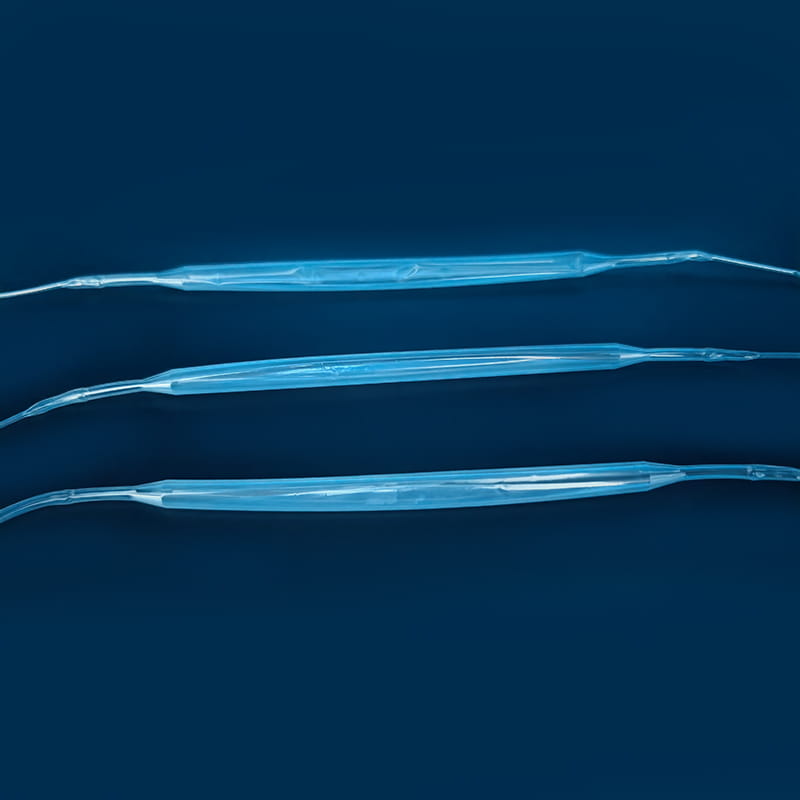
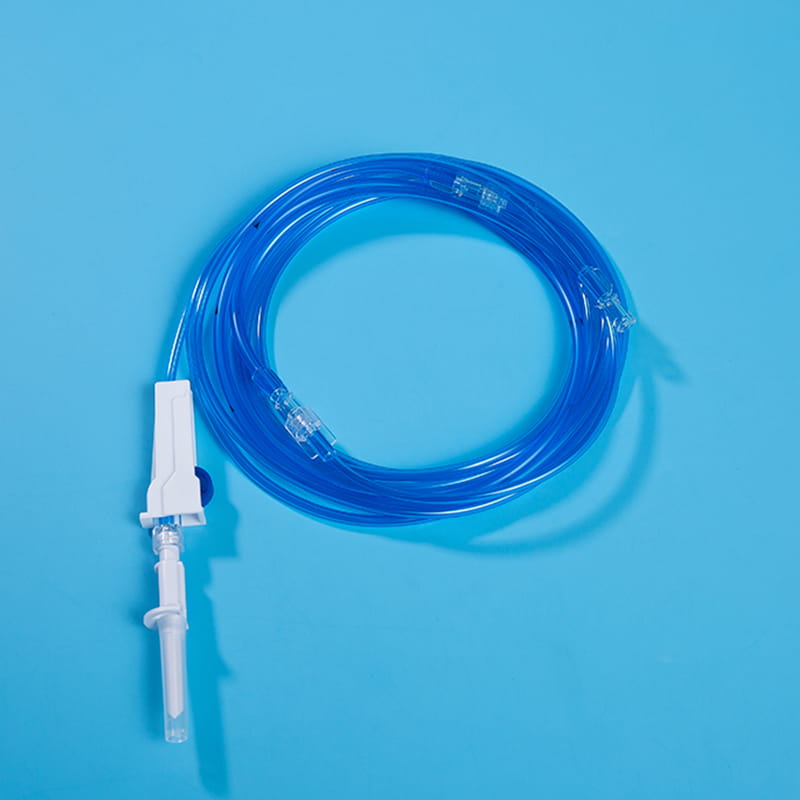
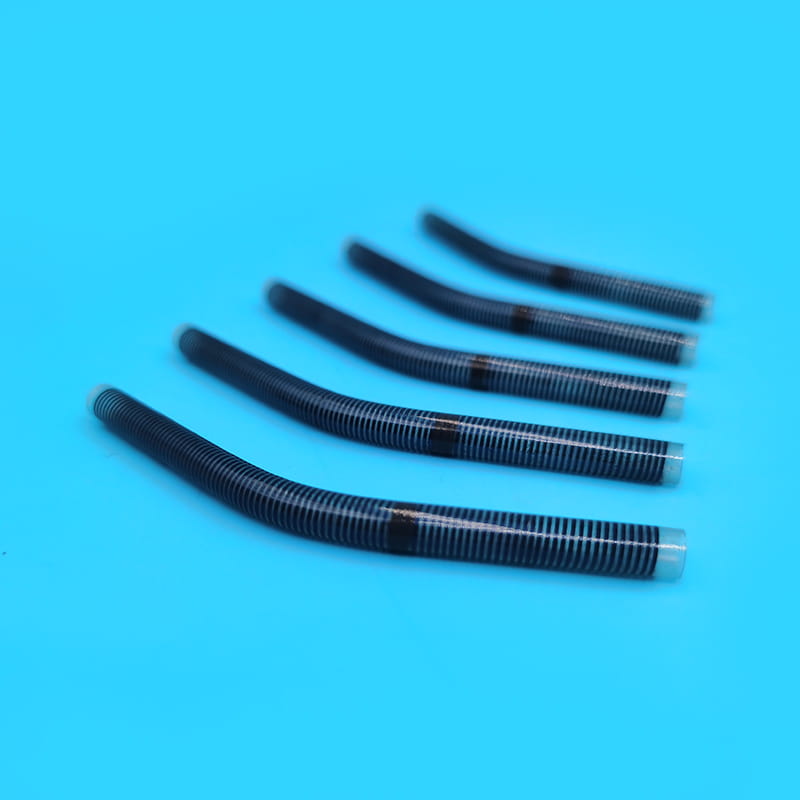
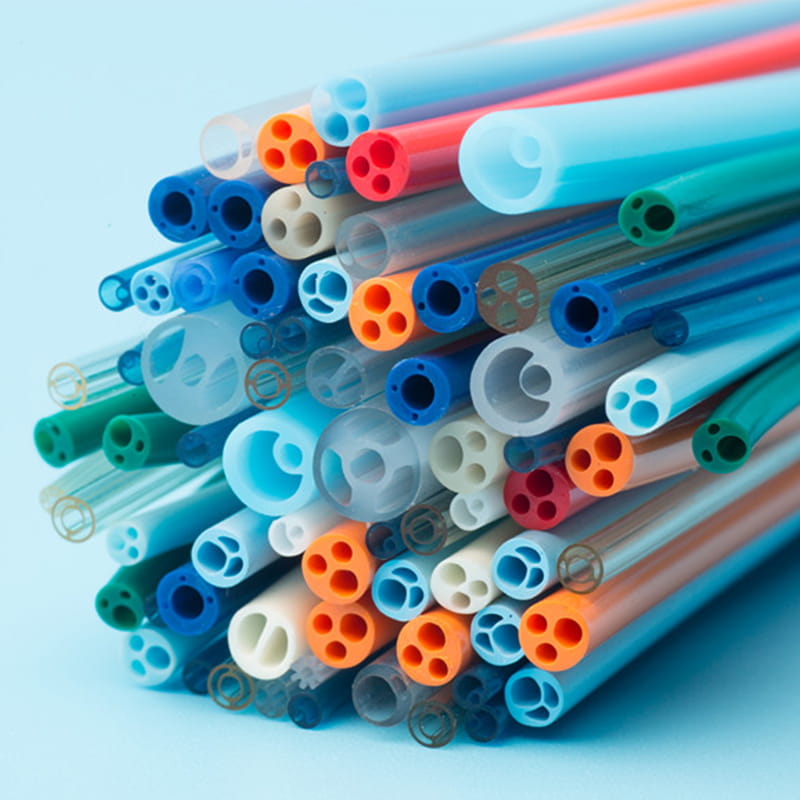
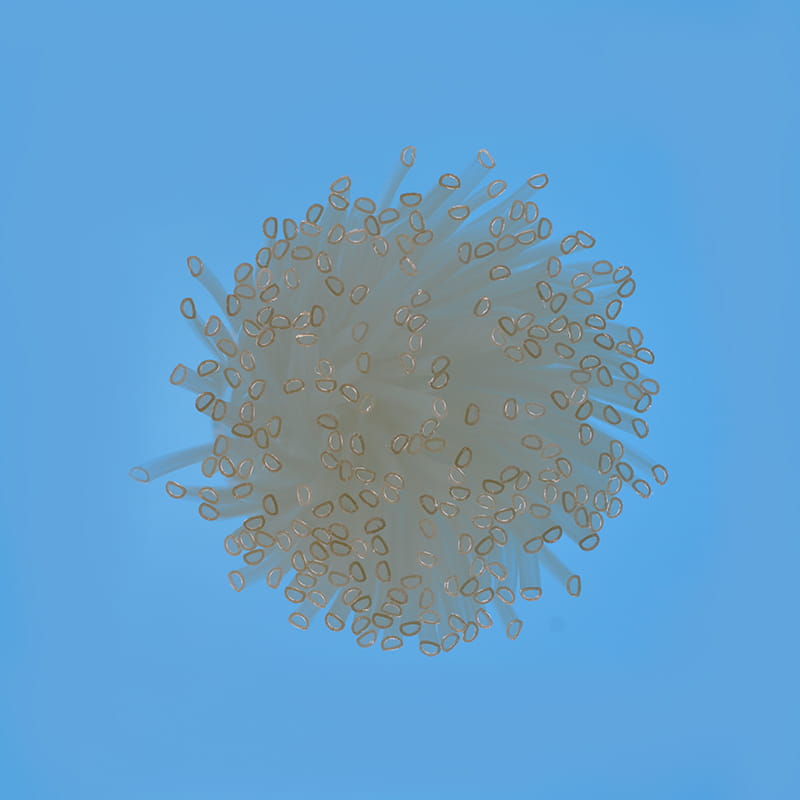
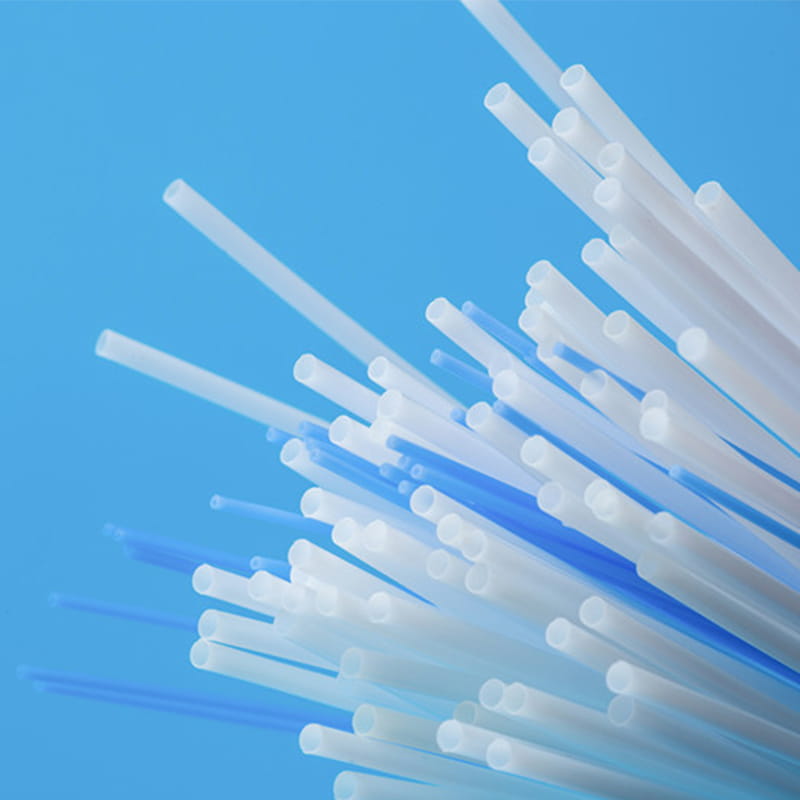
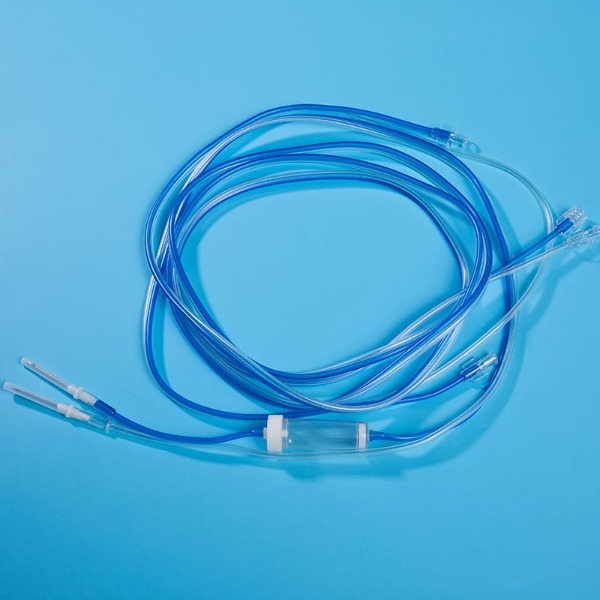
Medical catheters are thin, flexible tubes used for a variety of medical purposes, including administering fluids, medications, or nutrition, draining fluids from the body, or conducting diagnostic tests. These devices are typically inserted into the body through a vein, artery, or other natural orifices, depending on the procedure. Medical catheters come in various sizes and types, depending on their intended use, including intravenous (IV) catheters, urinary catheters, and specialized catheters for more specific medical needs.
Why Medical Catheters Are Preferred Over Traditional Methods
Minimally Invasive
Traditional medical methods often involve more invasive techniques, such as surgery or the use of bulky devices. In contrast, medical catheters are minimally invasive, meaning they can be inserted with minimal disruption to the body. This not only reduces the risk of infection but also minimizes recovery time for the patient. For example, the insertion of an IV catheter can be performed quickly with minimal discomfort, whereas older methods, like hypodermic needles, may require multiple attempts and have a higher risk of complications.
Reduced Risk of Infection
One of the critical concerns in any medical procedure is the risk of infection. Traditional methods often require larger incisions or prolonged exposure to the outside environment, both of which increase the chances of infection. In contrast, catheters, particularly when inserted using sterile techniques, significantly reduce this risk. The use of advanced materials such as silicone or polyurethane in modern medical catheters further contributes to their ability to minimize bacterial growth, reducing the likelihood of infection during and after use.
Enhanced Patient Comfort
Medical catheters, especially those used for long-term treatments, are designed with patient comfort in mind. Modern catheters are made from soft, flexible materials that conform to the body, reducing the risk of tissue irritation or injury. They can be worn for extended periods with minimal discomfort, which is crucial for patients who require ongoing medical treatments. In contrast, older methods often involved rigid instruments that could cause significant discomfort or even pain when inserted or left in place for extended periods.
Ease of Use and Versatility
Medical catheters offer great versatility, allowing for use in a variety of medical procedures, from blood sampling and intravenous fluid administration to draining excess fluid from the body. Their ease of insertion and removal makes them a popular choice for both short-term and long-term applications. Traditional methods, such as the use of syringes or direct fluid administration through larger incisions, are not only more invasive but also less adaptable to different medical conditions.
Lower Healthcare Costs
While some may view medical catheters as a more expensive option initially, their use can actually reduce overall healthcare costs. Because catheters are minimally invasive and reduce the risk of complications such as infection or tissue damage, patients typically experience fewer adverse outcomes, which results in shorter hospital stays and fewer follow-up treatments. This, in turn, lowers the total cost of care. Traditional methods, on the other hand, often involve longer procedures, more complications, and extended recovery times.
Peristaltic Pump Tubing: An Essential Component
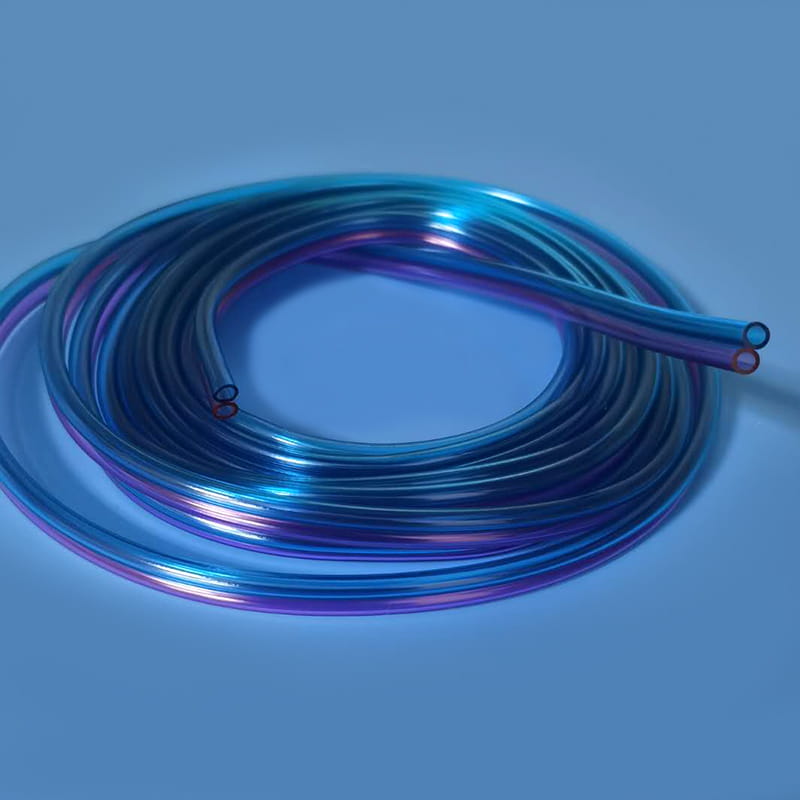
Another important technology that has improved medical procedures is peristaltic pump tubing. These tubes are used in peristaltic pumps to transport fluids or gases with precision and reliability. Peristaltic pumps work on the principle of peristalsis, a type of cyclic contraction and relaxation used to move fluids through flexible tubes. This pumping mechanism is particularly useful in medical settings, as it allows for accurate, contamination-free delivery of fluids such as medications or nutrients.
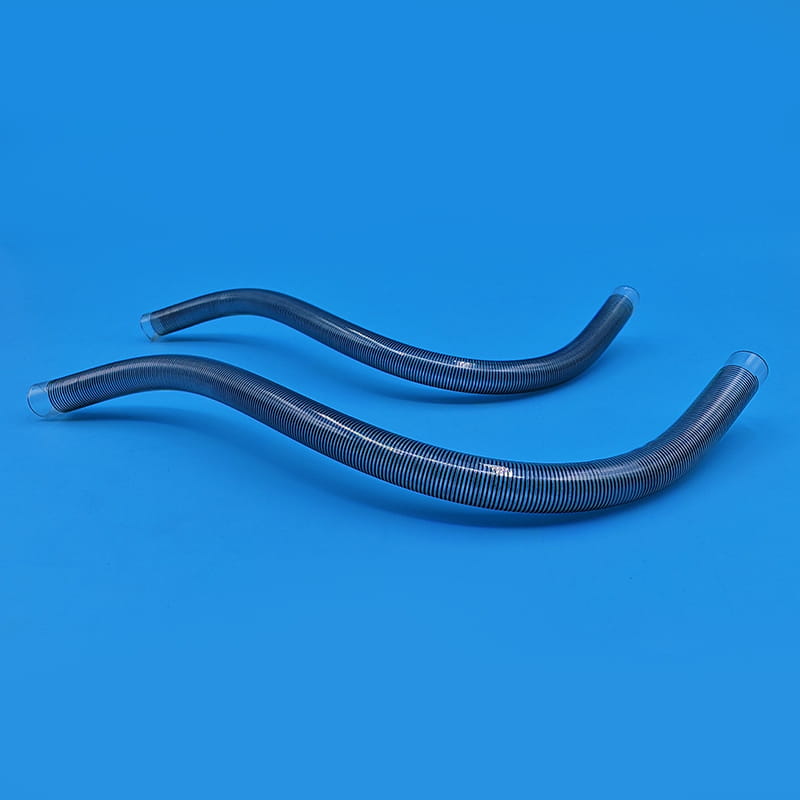
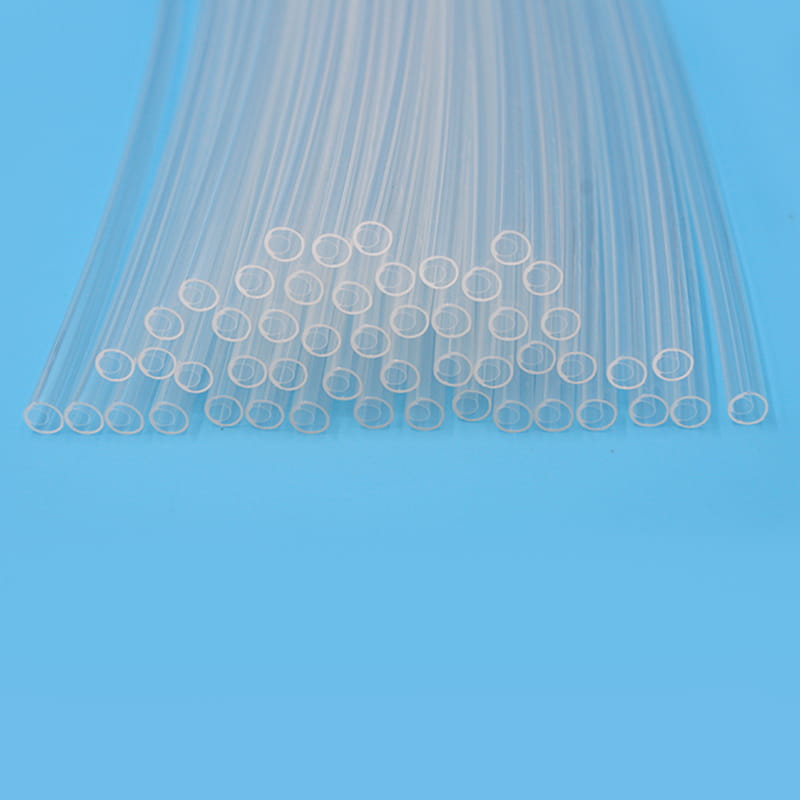
Peristaltic pump tubing is typically made from elastic, flexible materials like silicone, PVC, or alkyl rubber, ensuring that it can withstand the pressure and mechanical stress of continuous pumping. The smooth inner surface of the tubing minimizes friction, allowing for smooth and efficient fluid delivery. This type of tubing is often used in laboratories, medical, and pharmaceutical fields, providing reliable fluid transfer in processes that require high precision and minimal contamination risk.
Comparison of Medical Catheters and Traditional Methods
| Feature | Medical Catheters | Traditional Methods |
|---|---|---|
| Invasiveness | Minimally invasive, less trauma | Often invasive, requires larger incisions |
| Risk of Infection | Lower risk due to sterile materials | Higher risk due to longer exposure and larger wounds |
| Patient Comfort | Soft, flexible, less discomfort | Can cause discomfort or pain due to rigidity or larger sizes |
| Ease of Use | Easy to insert and remove, versatile | More complex procedures requiring specialized training |
| Healthcare Costs | Lower long-term costs due to fewer complications | Higher due to prolonged treatments and recovery |
The Role of Peristaltic Pumps in Medical Procedures
In procedures where precise fluid delivery is critical, peristaltic pump tubing plays a vital role. The key advantage of peristaltic pumps is that the fluid is only in contact with the inner surface of the tubing, preventing contamination. This makes them ideal for medical applications where sterility is essential. Whether it’s administering medications, nutrition, or drawing fluids for diagnostic purposes, peristaltic pump tubing ensures that the process is efficient and safe.
Conclusion
Medical catheters represent a significant advancement over traditional methods, offering numerous benefits such as reduced invasiveness, lower infection risk, improved patient comfort, and cost savings. With the integration of technologies like peristaltic pump tubing, medical professionals can further enhance the precision and safety of treatments.
FAQ
Q1: What is a medical catheter?
A medical catheter is a thin, flexible tube used to deliver fluids, remove fluids, or perform diagnostic tests. It is inserted into the body through a vein, artery, or natural orifice, depending on its purpose.
Q2: How do peristaltic pumps work?
Peristaltic pumps work by compressing flexible tubing in a cyclic motion, creating a peristaltic action that moves fluids forward without contamination. The tubing is only in contact with the fluid, ensuring that the process is sterile.
Q3: Why are medical catheters preferred over traditional methods?
Medical catheters are minimally invasive, reduce infection risks, enhance patient comfort, and are versatile and cost-effective compared to traditional methods, which often require more invasive procedures and longer recovery times.
Q4: Can peristaltic pump tubing be used for all types of fluids?
Yes, peristaltic pump tubing can be used for a wide range of fluids, including corrosive liquids, high-viscosity substances, and even gases, making it ideal for various medical, pharmaceutical, and chemical applications.
For more information, please call us at +86-18913710126 or email us at [email protected].
Polyimide tubing has become indispensable in modern medical device engineering. From minimally inv...
Understanding FEP Guidewire Protective Sheath Tubing Minimally invasive medical procedures have re...
A medical peristaltic pump tube is a specialized fluid transfer component designed for accurate, st...
The Evolution of Catheter Visualization Technology Minimally invasive procedures have fundamentally...
Understanding Medical Catheters in Modern Healthcare Medical devices have revolutionized patient ca...
A straight catheter reaches most of the airway, but the last centimeter into a tracheostomy branch...