
 English
  عربى
عربى  中文简体
中文简体  русский
  Français
  Deutsch
 Choosing the Right Medical Catheter: A Complete Buyer’s Guide
Introduction
Medical catheters are essential tools in healthcare, providing access to the body for a variety of medical purposes, including drainage, administration of fluids, and monitoring of various conditions. With a wide range of catheter types, sizes, and materials available, selecting the right one can be overwhelming for both medical professionals and patients.
Understanding Medical Catheters
Medical catheters are tubes designed for insertion into the body to carry fluids in or out. They are used in numerous medical procedures, such as intravenous (IV) fluid administration, urinary drainage, and diagnostic procedures.
Key Types of Medical Catheters:
- Urinary Catheters: Used for bladder drainage.
- IV Catheters: Used for administering fluids, medications, or drawing blood.
- Endotracheal Catheters: Placed in the windpipe to secure an airway during surgery or for emergency treatments.
- Drainage Catheters: Used for draining fluids from a body cavity or wound.
Important Factors to Consider When Choosing a Medical Catheter
When choosing the right medical catheter, several factors need to be considered to ensure that the catheter serves its intended purpose safely and effectively.
a. Type of Procedure or Treatment
Different medical catheters are designed for specific procedures. For instance, a pig-tail drainage tube is a type of catheter used primarily for drainage purposes, often inserted into body cavities or organs. On the other hand, urinary catheters are used for bladder drainage, which can be short-term or long-term.
b. Material
The material of the catheter determines its flexibility, durability, and compatibility with the body. Common materials include:
- Latex: Often used for short-term catheterization but can cause allergic reactions in some individuals.
- Silicone: Biocompatible, flexible, and commonly used for long-term catheterization.
- PVC (Polyvinyl Chloride): Used for both short and long-term catheters due to its ease of handling.
c. Size
Catheters come in various sizes, commonly measured in French sizes (Fr). The size affects the comfort and ease of insertion, as well as the volume of fluid that can pass through the catheter. Choosing the right size is critical for ensuring both comfort and functionality during use.
d. Duration of Use
Catheters are categorized based on whether they are intended for short-term or long-term use. For example, a catheter inserted during a surgery may be used temporarily, while an indwelling catheter may be required for extended periods in patients who are unable to void naturally.
Common Types of Medical Catheters
a. Pig-tail Drainage Tubes
A pig-tail drainage tube is a catheter with a coiled design that helps in draining fluids from the body, often used for draining abscesses, blood, or bile from the peritoneal or pleural cavity. The pig-tail shape prevents the catheter from slipping out after insertion, making it highly effective for long-term drainage.
Applications:
- Used in patients with internal infections requiring drainage.
- For draining excess fluids in conditions such as pleural effusion, abscesses, or post-surgical drainage.
Features:
- Flexible and easy to insert.
- Coiled design prevents dislodgement.
b. Urinary Catheters
Used for bladder drainage, these catheters can be either intermittent or indwelling (also known as Foley catheters). They can be used for short-term purposes (e.g., post-surgery) or for chronic conditions requiring long-term bladder management.
Features:
- Made of silicone, latex, or PVC.
- Available in a range of sizes for different patient needs.
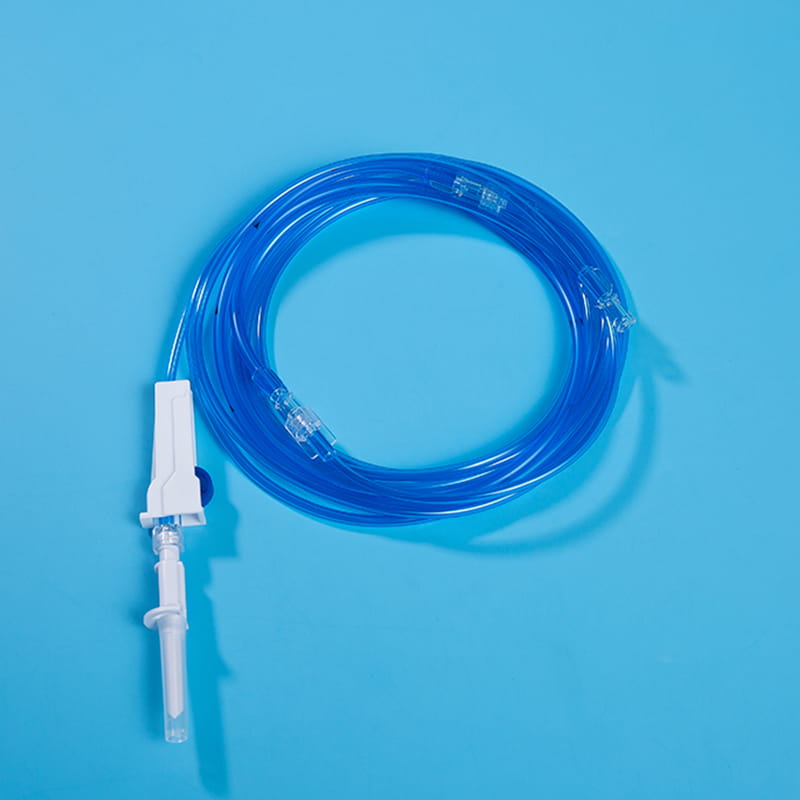
c. IV Catheters
Used to provide access to veins for administering fluids, medications, or taking blood samples. IV catheters are typically short-term solutions but can also be used for extended periods depending on the patient’s needs.
Features:
- Thin, flexible tubing that allows for easy insertion.
- Can be inserted into peripheral veins or central veins for more long-term use.
How to Choose the Right Catheter
a. Consider Patient’s Medical Condition
The specific medical condition of the patient will dictate the type of catheter used. For example, a patient needing a catheter for post-surgical recovery might need a short-term urinary catheter, while someone with a chronic medical condition requiring drainage might need a pig-tail drainage tube for extended use.
b. Comfort and Ease of Insertion
Comfort during insertion and the duration of catheter use should also be considered. Materials like silicone are more flexible and comfortable for long-term use, while PVC may be stiffer but sufficient for short-term procedures.
c. Risk of Infection
Since medical catheters are inserted into the body, there is a risk of infection. Choosing a catheter that is compatible with the patient’s condition and minimizing exposure time can reduce this risk. Ensuring proper hygiene during catheter insertion and removal is essential.
Key Features to Look for in a Medical Catheter
| Feature | Description |
|---|---|
| Size Options | Catheters come in various sizes to accommodate different patient needs, especially in drainage tubes. |
| Material | Different materials (e.g., silicone, PVC) offer varying levels of comfort and biocompatibility. |
| Drainage Capacity | Ensuring the catheter can handle the appropriate fluid volume is essential for successful use. |
| Insertion Ease | A catheter with smooth edges or a pre-lubricated surface reduces discomfort during insertion. |
Common Mistakes to Avoid When Selecting a Medical Catheter
- Overlooking the size: A catheter that’s too large or too small can cause discomfort or complications.
- Not considering the patient’s long-term needs: Short-term solutions might not be adequate for patients requiring long-term catheterization.
- Ignoring material compatibility: Materials like latex might trigger allergies in some patients, so choosing a hypoallergenic material is essential.
FAQ
Q1: How long can a pig-tail drainage tube stay in place?
- The duration depends on the patient’s condition and the type of fluid being drained. Typically, it may stay in for several days or weeks.
Q2: Can medical catheters cause infections?
- Yes, there is a risk of infection if the catheter is not maintained properly. Regular cleaning and proper technique during insertion are critical.
Q3: What is the difference between a urinary catheter and an IV catheter?
- A urinary catheter is used to drain urine from the bladder, while an IV catheter is used to administer fluids or medications into the vein.
Q4: Can a medical catheter be reused?
- Most catheters are intended for single use to prevent infection. However, certain types can be reused if specified by the manufacturer and properly sanitized.
Q5: What materials are commonly used for medical catheters?
- Common materials include latex, silicone, and PVC. Silicone is often used for long-term use, while PVC is more common for short-term procedures.
Conclusion
Choosing the right medical catheter is a critical decision that can impact the patient’s recovery and comfort. By considering factors such as the type of medical condition, material, size, and intended use, healthcare professionals can select the appropriate catheter for each situation. Always ensure proper hygiene and maintenance practices to minimize risks of complications, such as infections or discomfort.
For more information, please call us at +86-18913710126 or email us at [email protected].
Polyimide tubing has become indispensable in modern medical device engineering. From minimally inv...
Understanding FEP Guidewire Protective Sheath Tubing Minimally invasive medical procedures have re...
A medical peristaltic pump tube is a specialized fluid transfer component designed for accurate, st...
The Evolution of Catheter Visualization Technology Minimally invasive procedures have fundamentally...
Understanding Medical Catheters in Modern Healthcare Medical devices have revolutionized patient ca...
A straight catheter reaches most of the airway, but the last centimeter into a tracheostomy branch...