
 English
  عربى
عربى  中文简体
中文简体  русский
  Français
  Deutsch
 How Does PEBAX Compare to Other Materials for Welded Pipe Construction?
Introduction to PEBAX Material
PEBAX is a thermoplastic elastomer that combines the properties of both plastics and rubbers. It is a versatile material known for its flexibility, strength, and biocompatibility, making it particularly well-suited for applications in medical devices. PEBAX is composed of polyether and polyamide blocks, offering a range of mechanical properties that can be tailored to meet the specific needs of welded pipes. Its high-pressure resistance, sealing capabilities, and precision plasticity make it a preferred choice for many applications.
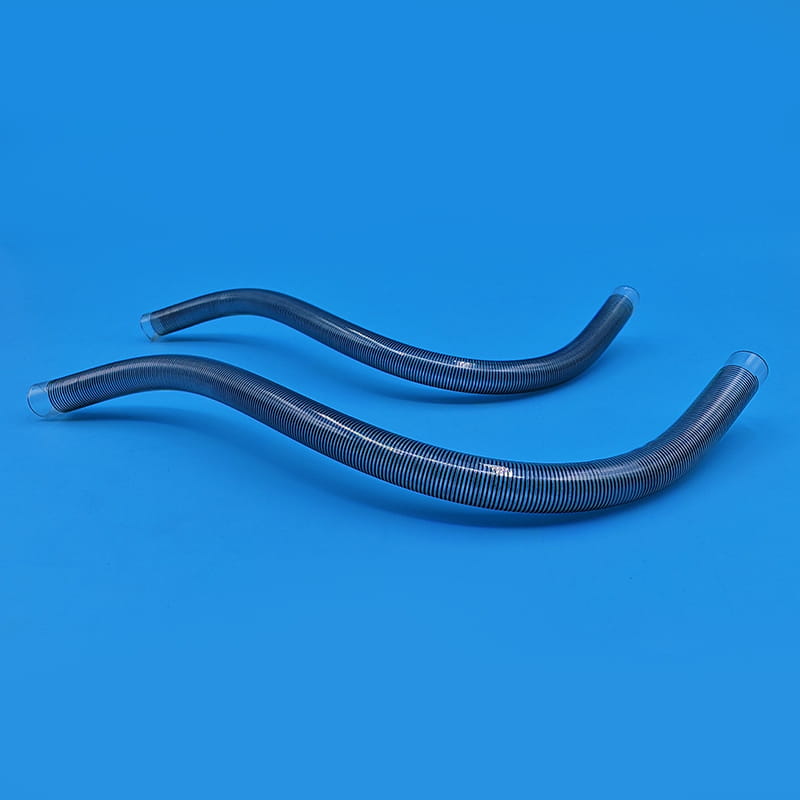
In welded pipe construction, PEBAX is particularly valued for its ability to provide dimensional stability, making it a material for tubes and sheaths that need to maintain their shape and structural integrity during use. Additionally, the material’s flexibility and bending resistance contribute to its suitability in areas where complex geometries are required.
Core Applications of PEBAX in Welded Pipe Construction
PEBAX is increasingly used in the production of welded pipes for several critical applications. These include:
Medical Interventional Devices
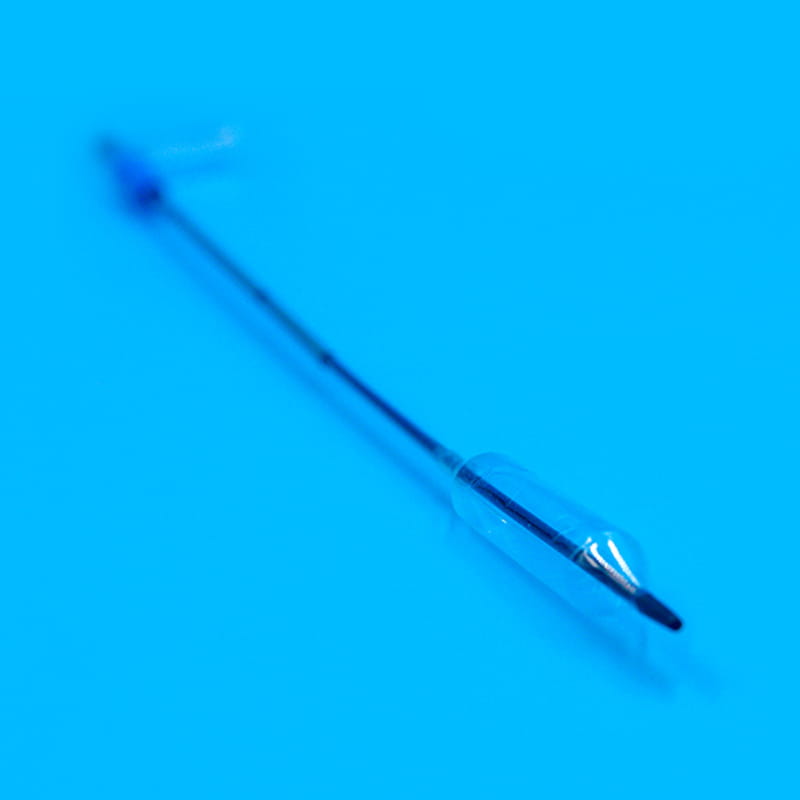
PEBAX has proven to be an essential material in the medical field, particularly for vascular interventional devices. In these applications, welded pipes made from PEBAX are used to create sheaths that provide a stable, secure pathway for inserting medical instruments into the body. The sheaths protect blood vessels and surrounding tissues, minimize the risk of bleeding, and ensure the safe exchange of tools during minimally invasive surgeries.
Core Applications in the Medical Field:
- Vascular Interventional Field: PEBAX is used to create tubes and sheaths that allow for the insertion of various medical instruments into blood vessels with minimal disruption to the surrounding tissue.
- Minimally Invasive Surgery Field: PEBAX sheaths are employed to establish stable percutaneous access routes for surgical procedures, contributing to faster recovery times and reduced patient trauma.
Other Medical Applications
Beyond the vascular and surgical fields, PEBAX is also utilized in various other medical applications that require precision welding and sealing. These include devices for drug delivery, diagnostic tools, and catheters, where the material’s biocompatibility and strength are critical.
Key Characteristics of PEBAX Material in Welded Pipe Construction
PEBAX’s performance in welded pipe construction is defined by several key characteristics that distinguish it from other materials, such as traditional metals or polymers.
| Property | PEBAX | Other Materials |
|---|---|---|
| Flexibility | Highly flexible, allowing for complex designs | May lack flexibility, especially in metal-based pipes |
| Biocompatibility | Non-toxic, suitable for medical use | Varies by material, with some metals being less biocompatible |
| High-Pressure Resistance | Excellent pressure resistance for medical applications | Metals often have higher pressure resistance but may not provide the same flexibility |
| Bending Resistance | Strong bending resistance, especially in sheaths | Metals can be rigid and less flexible for intricate geometries |
| Sealing Properties | Exceptional sealing properties after welding | Metals may require additional sealing mechanisms |
PEBAX Sheath Design in Welded Pipes
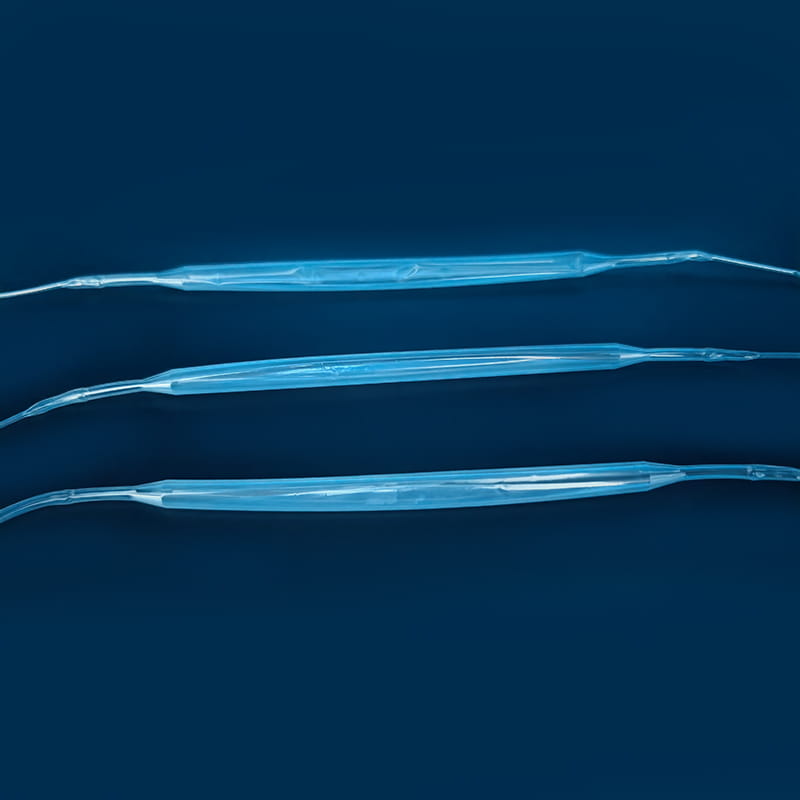
One of the important applications of PEBAX in welded pipe construction is its use in the design of sheaths for medical devices. The PEBAX sheath provides a stable, protective route for medical instruments while minimizing the risk of injury and ensuring smooth insertion. The sheath is designed with gradual stiffness, with a soft distal end (the insertion end) and a stiffer proximal end (the external end).
Distal End (Insertion End)
The distal end is tapered and flexible, which helps with smooth insertion into blood vessels or body cavities. This design reduces vascular injury and ensures that the sheath can be navigated through complex anatomical structures without causing harm.
Proximal End (External End)
The proximal end of the PEBAX sheath features a flared design that facilitates the easy insertion of medical instruments such as catheters, guidewires, and balloons. The flared end provides a wide, guiding entrance, reducing alignment difficulties and operation time.
Overall Design
The overall design of the PEBAX sheath strikes a balance between flexibility and rigidity. The soft distal end ensures flexibility and ease of insertion, while the stiffer proximal end provides the necessary stability for instrument insertion.
Conclusion
PEBAX is a highly versatile and durable material for welded pipe construction, particularly in applications that require flexibility, strength, and biocompatibility. Its unique properties, including high-pressure resistance, sealing capabilities, and precision plasticity, make it an ideal choice for medical devices such as vascular sheaths.
FAQ
1. What makes PEBAX suitable for welded pipe construction in medical devices?
PEBAX’s flexibility, strength, biocompatibility, and pressure resistance make it ideal for medical applications such as vascular interventional devices and minimally invasive surgeries.
2. How does PEBAX compare to steel in welded pipe applications?
While steel offers high strength, PEBAX provides better flexibility, bending resistance, and biocompatibility, making it more suitable for medical and high-performance applications.
3. Why is PEBAX preferred in medical applications over polyethylene?
PEBAX offers sealing properties and better pressure resistance than polyethylene, making it more reliable for medical devices that require precision and durability.
4. What is the benefit of PEBAX’s sheath design in medical devices?
The PEBAX sheath design features a soft distal end for easy insertion and a stiff proximal end for stability, reducing the risk of injury and ensuring smooth operation during medical procedures.
For more information, please call us at +86-18913710126 or email us at [email protected].
Polyimide tubing has become indispensable in modern medical device engineering. From minimally inv...
Understanding FEP Guidewire Protective Sheath Tubing Minimally invasive medical procedures have re...
A medical peristaltic pump tube is a specialized fluid transfer component designed for accurate, st...
The Evolution of Catheter Visualization Technology Minimally invasive procedures have fundamentally...
Understanding Medical Catheters in Modern Healthcare Medical devices have revolutionized patient ca...
A straight catheter reaches most of the airway, but the last centimeter into a tracheostomy branch...