
 English
  عربى
عربى  中文简体
中文简体  русский
  Français
  Deutsch
 How Do Medical PA Pipes Compare to Other Materials in Medical Applications?
Introduction
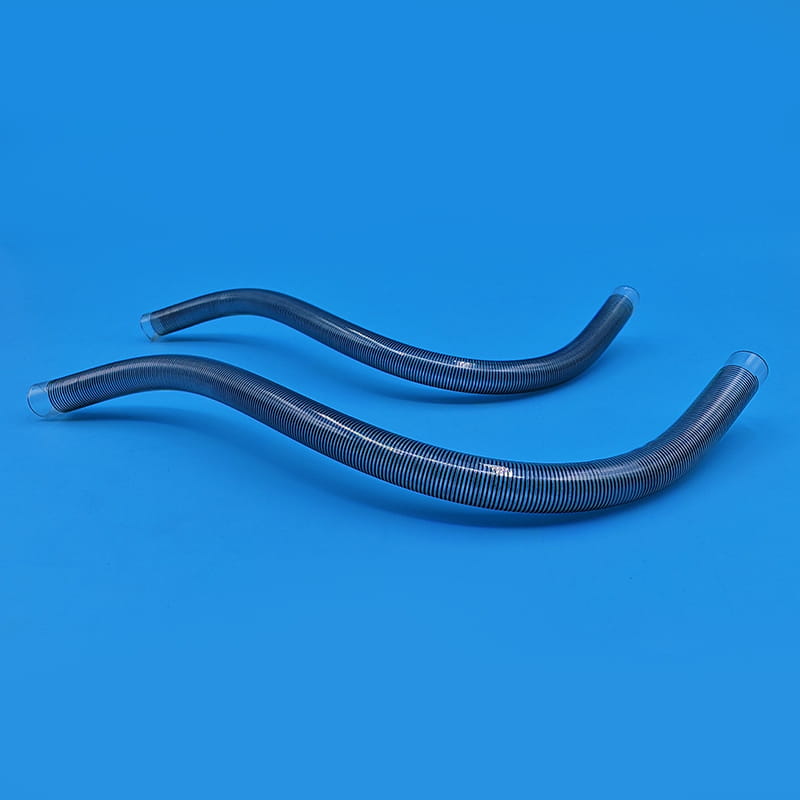
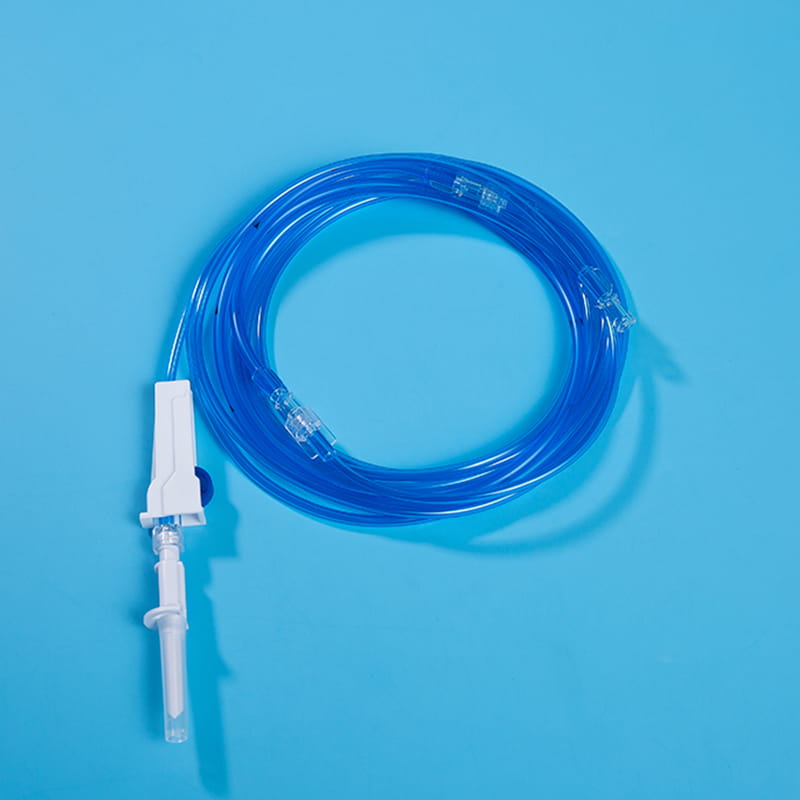
Medical PA pipes, also known as medical polyamide pipes, are widely used in various medical applications due to their versatile properties, which provide critical benefits in medical device manufacturing. In particular, they are commonly used in medical catheters, fluid delivery systems, and various types of medical tubing.
What Are Medical PA Pipes?
Medical PA pipes are made from high-performance polyamide, a type of synthetic polymer. Polyamide, commonly referred to as nylon, is known for its mechanical strength, flexibility, and resistance to chemicals and wear. These characteristics make it a suitable material for medical devices that require durability, biocompatibility, and resistance to harsh environmental conditions.
Advantages of Medical PA Pipes
Medical PA pipes stand out due to their:
Strength and Durability: Medical PA pipes offer high tensile strength, which ensures their ability to withstand pressure during fluid flow. This is particularly important for medical catheters and fluid delivery systems that require structural integrity over extended periods of use.
Flexibility and Compliance: The flexibility of medical PA pipes allows for easy manipulation in complex procedures, ensuring smooth insertion and operation within the body. Their compliance helps in making the pipe adapt to bodily contours.
Chemical Resistance: Medical PA pipes exhibit resistance to a wide range of chemicals, making them suitable for use in environments where exposure to bodily fluids and pharmaceutical agents is common.
Biocompatibility: Polyamide’s ability to remain inert in the body makes it ideal for use in medical devices like catheters, which need to avoid harmful reactions or toxicity in sensitive environments.
Long-Term Performance: Due to their wear resistance, medical PA pipes perform well over extended periods, which is essential in long-term medical treatments.
Comparison with Other Materials
Medical Catheters Made from Silicone
Silicone is another widely used material in medical devices due to its flexibility and biocompatibility. However, silicone lacks the strength of medical PA pipes, making it less suitable for high-pressure applications. Silicone catheters are generally more prone to kinking and less durable under mechanical stress. Despite this, silicone is preferred in certain applications where high flexibility and minimal irritation are crucial, such as in pediatric or long-term catheterization.
PVC (Polyvinyl Chloride) Medical Tubing
PVC is one of the commonly used materials for medical tubing. It is cost-effective, readily available, and has a long history of use in medical devices. However, compared to medical PA pipes, PVC is less durable, has poorer chemical resistance, and can be prone to plasticizer leaching, which may affect the safety of the device over time. For certain medical procedures, PVC may be suitable, but for high-performance applications, medical PA pipes are often preferred due to their properties.
Polyurethane Medical Tubing
Polyurethane is often used in medical applications that require high abrasion resistance and long-term durability. However, while polyurethane is more flexible than PVC, it may not have the same high tensile strength as medical PA pipes. Polyurethane also has limitations when it comes to chemical resistance, especially when exposed to certain medications or body fluids over extended periods. For demanding medical applications, such as those requiring precise control of fluid dynamics or prolonged use, medical PA pipes are often a better choice.
Key Considerations for Selecting Materials
When choosing a material for medical applications, several factors must be considered, including:
Application Requirements: The specific requirements of the medical device, such as pressure tolerance, chemical resistance, and flexibility, will dictate which material is suitable.
Biocompatibility: Medical devices must meet stringent biocompatibility standards to ensure that they do not cause adverse reactions in patients.
Durability and Longevity: For long-term medical treatments, durability and the ability of the material to withstand wear and tear is essential.
Cost: Material cost is always a factor in the decision-making process, particularly for large-scale manufacturing of medical devices.
Performance of Medical PA Pipes in Medical Catheters
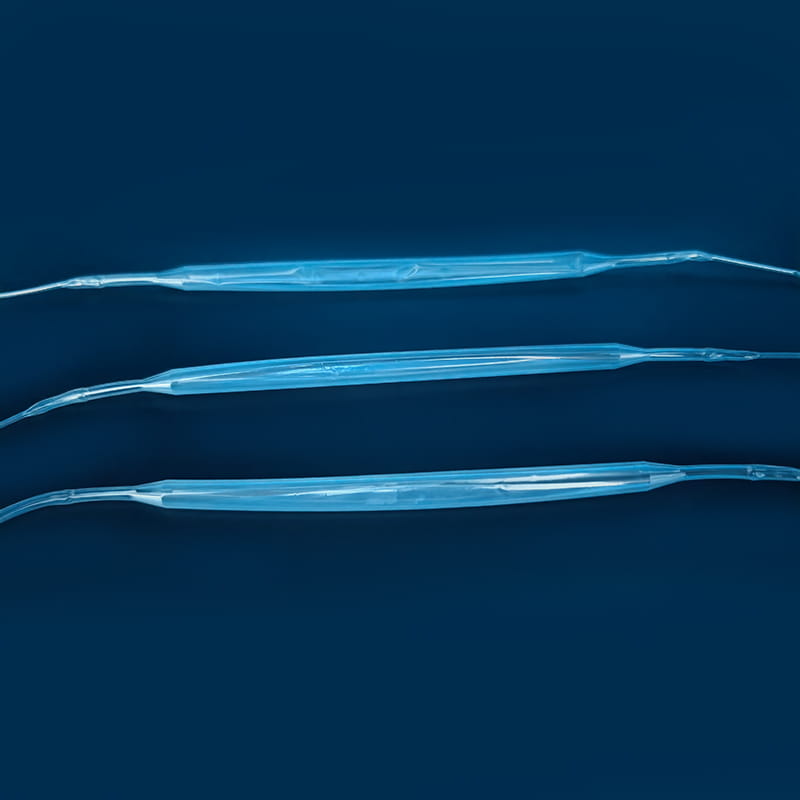
Medical PA pipes are especially effective in the construction of medical catheters. They offer a balance of strength, flexibility, and resistance to chemicals, which makes them suitable for a variety of catheter types, including:
- Intravenous (IV) catheters: Medical PA pipes ensure that fluids can be delivered under constant pressure without compromising the structural integrity of the catheter.
- Urological catheters: PA pipes are durable and can withstand exposure to bodily fluids for extended periods without degradation.
The combination of these properties makes PA pipes highly efficient and safe for use in medical catheters, where high-performance materials are required for patient care.
Conclusion
In conclusion, medical PA pipes are a crucial material in the field of medical devices, offering performance compared to other materials like silicone, PVC, and polyurethane. Their strength, flexibility, chemical resistance, and biocompatibility make them an ideal choice for applications such as medical catheters and other tubing systems. While each material has its strengths and weaknesses, the unique properties of medical PA pipes position them as a preferred choice for many medical applications requiring high performance, durability, and safety.
FAQ
1. What is the main advantage of medical PA pipes over other materials?
Medical PA pipes offer a combination of strength, flexibility, and chemical resistance, making them ideal for high-performance medical applications like catheters and fluid delivery systems.
2. Can medical PA pipes be used for long-term medical applications?
Yes, medical PA pipes are highly durable and resistant to wear, making them suitable for long-term medical applications, including those requiring extended use.
3. How do medical PA pipes compare to PVC in terms of safety?
Medical PA pipes have better chemical resistance and are less prone to leaching harmful substances, making them a safer choice compared to PVC for certain medical applications.
4. Are medical PA pipes biocompatible?
Yes, polyamide, the material used for medical PA pipes, is biocompatible, meaning it does not cause adverse reactions in the body and is safe for medical use.
5. Are there any disadvantages to using medical PA pipes?
While medical PA pipes offer performance, they may be more expensive than alternatives like PVC, and their production may be more complex depending on the application.
For more information, please call us at +86-18913710126 or email us at [email protected].
Polyimide tubing has become indispensable in modern medical device engineering. From minimally inv...
Understanding FEP Guidewire Protective Sheath Tubing Minimally invasive medical procedures have re...
A medical peristaltic pump tube is a specialized fluid transfer component designed for accurate, st...
The Evolution of Catheter Visualization Technology Minimally invasive procedures have fundamentally...
Understanding Medical Catheters in Modern Healthcare Medical devices have revolutionized patient ca...
A straight catheter reaches most of the airway, but the last centimeter into a tracheostomy branch...