
 English
  عربى
عربى  中文简体
中文简体  русский
  Français
  Deutsch
 What Is a Vasodilator Sheath and How Does It Improve Vascular Access?
Vascular interventional procedures are integral to modern cardiovascular medicine, particularly when it comes to treating a variety of conditions like coronary artery disease, peripheral artery disease, and other vascular disorders. One of the critical components in such interventions is the vasodilator sheath—a device designed to facilitate smooth vascular access and enhance procedural outcomes.
Understanding Vasodilator Sheaths
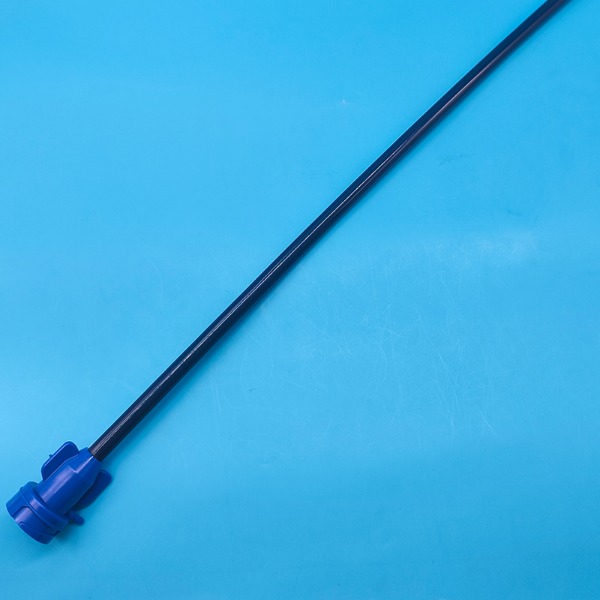
A vasodilator sheath is a specialized medical device used to dilate blood vessels, providing a reliable pathway for interventional devices to be inserted. The sheath ensures smooth passage of these devices, minimizing vessel damage and allowing for accurate and efficient procedures. It plays a crucial role in facilitating minimally invasive surgeries, improving the precision of interventions, and reducing the risk of complications associated with vascular procedures.
In essence, the vasodilator sheath is designed to establish vascular access by gradually dilating blood vessels, allowing interventional tools, such as catheters, balloons, or stents, to pass through more easily. The device’s design ensures both flexibility and strength, essential for procedures requiring high precision.
Key Features of the Vasodilator Sheath
The effectiveness of a vasodilator sheath lies in its unique structure, designed to support vascular interventions in a variety of settings. Here’s a closer look at the components and benefits of this essential device.
Establishing Vascular Access
The primary function of a vasodilator sheath is to dilate the blood vessels, providing an easy passageway for interventional devices. This ensures that tools can be navigated without causing damage to the blood vessel walls. The process of dilation is critical in procedures such as coronary angioplasty, stent placement, and other minimally invasive surgeries.
Minimizing Friction
The inner layer of the sheath is made from polytetrafluoroethylene (PTFE), a material known for its lubrication properties. This PTFE lining reduces friction, allowing the catheter or other devices to pass through the sheath with minimal resistance. This smooth passage is essential for maintaining the integrity of blood vessels and ensuring the safety of the procedure.
Enhanced Flexibility and Support
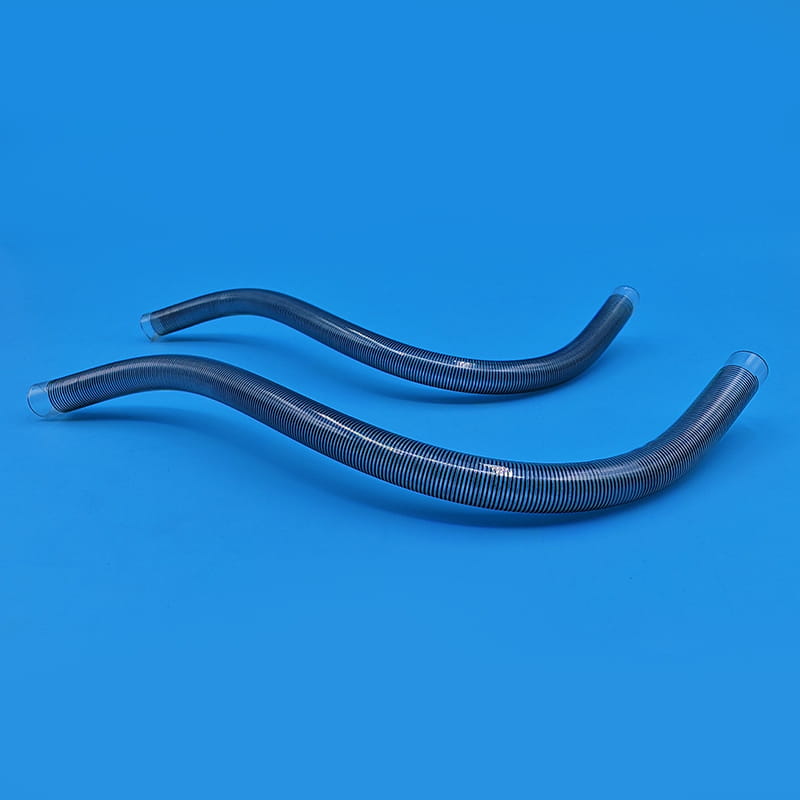
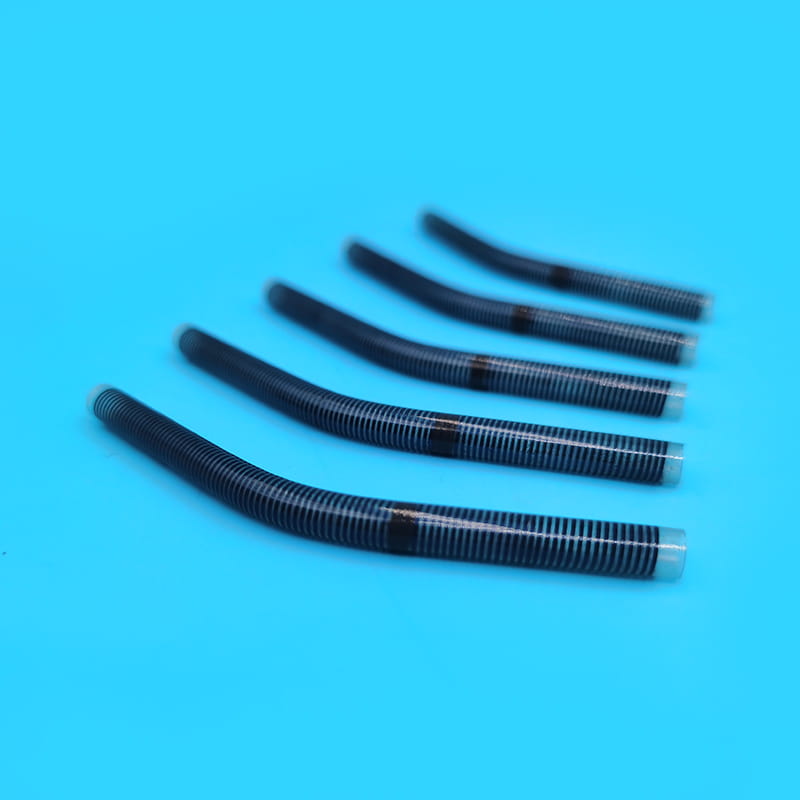
The middle layer of the vasodilator sheath contains a spring tube that provides structural reinforcement, enhancing the flexibility of the device. This spring tube supports the sheath, allowing it to adapt to the natural contours of the blood vessels during insertion. The added flexibility reduces the risk of vessel trauma while ensuring that the device remains in place during the procedure.
Durability and Biocompatibility
The outer layer of the vasodilator sheath is constructed from Pebax, a material known for its biocompatibility and durability. Pebax provides the necessary strength to withstand the rigors of vascular interventions while ensuring that the sheath is well-tolerated by the body. Additionally, the material enhances the sheath’s resistance to wear and tear, making it suitable for repeated use in a clinical setting.
Injection-Molded Head for Precision
The injection-molded head of the vasodilator sheath is designed to reduce the risk of damage to the vessel wall during insertion. This feature is particularly important in procedures that require precise navigation of the device within the blood vessels. The molded head provides a smooth, controlled entry point, minimizing any potential for trauma to the surrounding tissue.
How Does the Vasodilator Sheath Work in Vascular Interventions?
In vascular interventions, achieving controlled access to blood vessels is critical for the success of the procedure. The vasodilator sheath plays a significant role in achieving this by offering a smooth and controlled pathway for the introduction of diagnostic or therapeutic devices.
The process typically begins with the insertion of the sheath into the patient’s blood vessel, often through a small incision or puncture. As the device is gradually advanced, the inner PTFE layer ensures that friction is minimized, allowing the device to move smoothly. The spring tube in the middle layer provides flexibility, making it easier to maneuver around curves in the vascular system. Finally, the Pebax outer layer ensures that the sheath remains durable and biocompatible, facilitating safe and effective access to the blood vessels.
Once in place, the vasodilator sheath allows various tools, such as balloons for angioplasty or stents for arterial reinforcement, to be passed through without excessive resistance. This smooth transition between devices is key to preventing complications such as vessel damage, bleeding, or infections.
Advantages of Using Vasodilator Sheaths in Minimally Invasive Procedures
The use of vasodilator sheaths in minimally invasive vascular procedures offers several benefits:
Reduced Risk of Vessel Injury
The smooth inner PTFE layer reduces the friction between the sheath and the blood vessel, lowering the risk of injury or trauma during the procedure. This minimizes the chances of complications, such as bleeding or vessel rupture, that could arise from excessive friction.
Enhanced Procedural Accuracy
The flexibility and support provided by the spring tube allow the physician to navigate the sheath with greater precision. This is especially important in complex procedures, where accurate placement of interventional devices is essential for the success of the surgery.
Improved Patient Outcomes
By facilitating a smoother procedure, vasodilator sheaths contribute to better patient outcomes. The minimal disruption to the blood vessels and the reduced risk of complications mean that patients can recover more quickly and experience fewer adverse effects post-procedure.
Time Efficiency
The use of vasodilator sheaths helps speed up the interventional process by providing a clear, easy pathway for device insertion. This can reduce procedure time, which in turn lowers the risk of complications related to prolonged interventions.
Applications of Vasodilator Sheaths in Vascular Interventions
Vasodilator sheaths are versatile devices that are used in a wide range of vascular interventions, including:
- Coronary Angioplasty: In this procedure, a vasodilator sheath is used to provide access to the coronary arteries for the insertion of balloons or stents. This helps restore blood flow to areas of the heart affected by atherosclerosis or blockages.
- Peripheral Artery Disease (PAD): In PAD treatments, vasodilator sheaths allow for the introduction of devices that can help open up narrowed or blocked arteries in the limbs, improving circulation and alleviating symptoms.
- Carotid Artery Stenting: The sheath also plays a critical role in procedures aimed at treating carotid artery stenosis, providing the necessary access for stent placement and restoring blood flow to the brain.
Conclusion
The vasodilator sheath is an essential tool in the toolkit of vascular surgeons and interventional cardiologists. By providing reliable vascular access, minimizing friction, and ensuring the smooth passage of interventional devices, the vasodilator sheath plays a key role in improving the outcomes of cardiovascular interventions. Its unique design, which combines PTFE lubrication, spring reinforcement, Pebax durability, and an injection-molded head, makes it ideal for use in minimally invasive surgeries.
FAQ
1. What is the primary function of a vasodilator sheath?
The primary function of a vasodilator sheath is to dilate blood vessels, providing a smooth pathway for the introduction of interventional devices in vascular procedures.
2. How does the PTFE inner layer benefit the vasodilator sheath?
The PTFE inner layer reduces friction, ensuring that devices can pass through the sheath smoothly, which helps prevent vessel damage and enhances procedural efficiency.
3. What materials are used in the construction of the vasodilator sheath?
The vasodilator sheath is typically constructed with a PTFE inner layer, a spring tube for support, a Pebax outer layer for biocompatibility and durability, and an injection-molded head for precision.
4. In which medical procedures are vasodilator sheaths commonly used?
Vasodilator sheaths are commonly used in coronary angioplasty, peripheral artery disease treatments, and carotid artery stenting.
5. What are the benefits of using a vasodilator sheath in minimally invasive procedures?
The benefits include reduced risk of vessel injury, enhanced procedural accuracy, improved patient outcomes, and time efficiency during the procedure.
For more information, please call us at +86-18913710126 or email us at [email protected].
Polyimide tubing has become indispensable in modern medical device engineering. From minimally inv...
Understanding FEP Guidewire Protective Sheath Tubing Minimally invasive medical procedures have re...
A medical peristaltic pump tube is a specialized fluid transfer component designed for accurate, st...
The Evolution of Catheter Visualization Technology Minimally invasive procedures have fundamentally...
Understanding Medical Catheters in Modern Healthcare Medical devices have revolutionized patient ca...
A straight catheter reaches most of the airway, but the last centimeter into a tracheostomy branch...