
 English
  عربى
عربى  中文简体
中文简体  русский
  Français
  Deutsch
 How to Safely Use Medical Catheters: Step-by-Step Instructions
Introduction
Medical catheters are essential tools used in various medical procedures for a wide range of purposes, including drainage, medication delivery, and even diagnostic purposes. Their correct and safe usage is crucial in preventing complications, ensuring effective treatment, and promoting patient recovery.
Understanding Medical Catheters
Medical catheters are thin, flexible tubes inserted into the body to perform various functions. They are commonly used in procedures involving the urinary tract, cardiovascular system, or gastrointestinal system. Some of the common types of catheters include:
- Urinary catheters: Used to drain urine from the bladder.
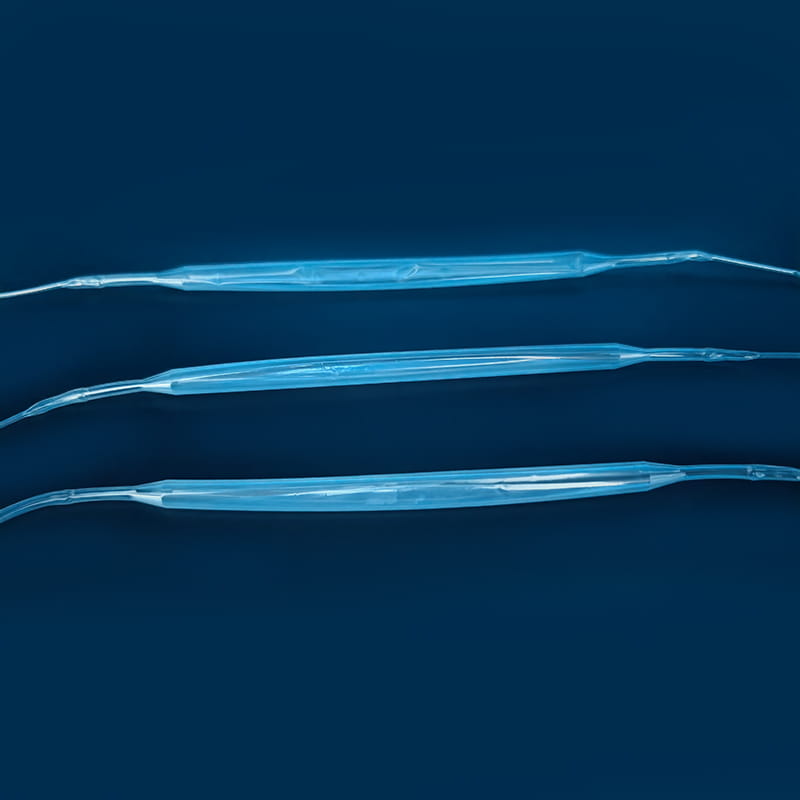
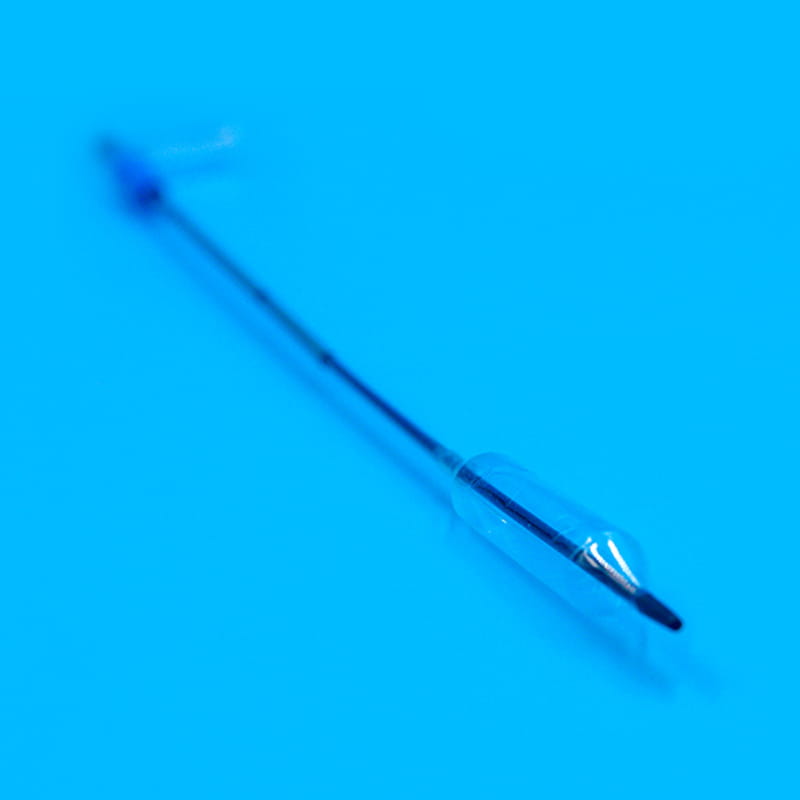
- Balloon dilation catheters: Used in procedures like angioplasty, where the catheter is inflated to widen a narrowed blood vessel.
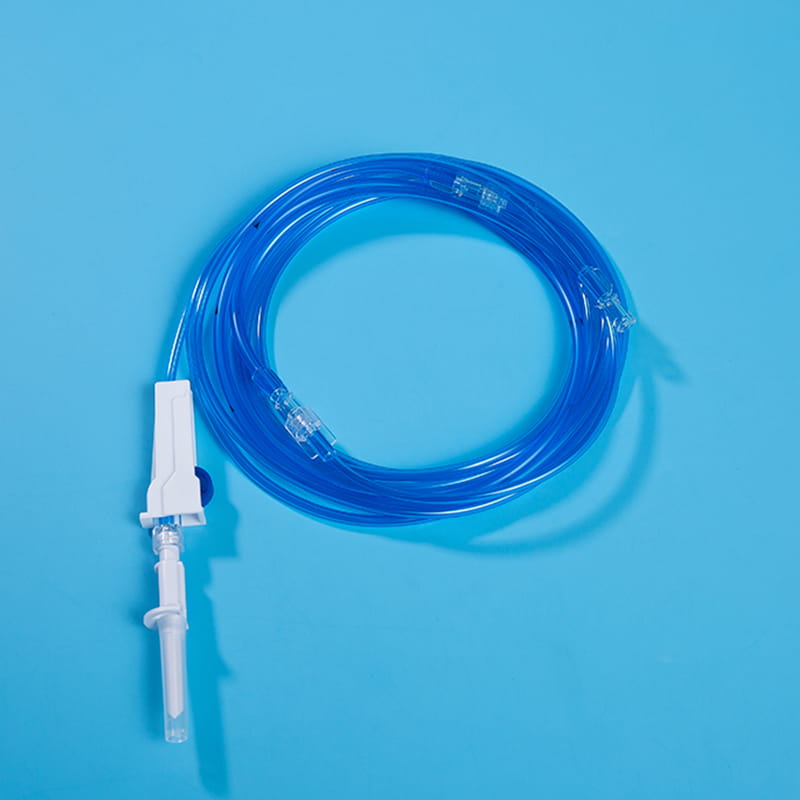
- IV catheters: For intravenous delivery of fluids and medications.
- Cardiac catheters: Used to perform diagnostic tests and treatments related to the heart.
Step-by-Step Instructions for Using Medical Catheters
Step 1: Prepare for the Procedure
Before using a medical catheter, it is essential to prepare the environment and the patient. Ensure that the following items are available:
- Clean gloves and a sterile field
- The appropriate catheter for the procedure (e.g., balloon dilation catheter for vascular treatments)
- Antiseptic solution for skin disinfection
- Syringes for fluid injection (if needed)
- A drainage bag (for urinary catheters)
Step 2: Sterilize the Area
Sterilization is a critical step to reduce the risk of infection. Clean the insertion site thoroughly with antiseptic wipes, and allow the area to dry to prevent contamination. If the procedure is internal, ensure the insertion point is appropriately sterilized and that sterile techniques are followed.
Step 3: Insert the Catheter
For urinary catheters, carefully insert the catheter into the urethra while maintaining a sterile technique. For balloon dilation catheters, insert the catheter into the targeted area, such as a blood vessel or gastrointestinal tract. Gently advance the catheter to the designated location. If using a balloon dilation catheter, ensure the balloon is not inflated until it has reached the required position.
Step 4: Confirm Proper Placement
Once the catheter is inserted, confirm its correct placement by checking for signs of proper positioning. For example, when using a balloon dilation catheter, you may need to use imaging techniques like X-rays or ultrasound to confirm the balloon’s placement before inflation.
Step 5: Use the Catheter for Its Intended Purpose
Once confirmed, the catheter can be used for its intended purpose. For a balloon dilation catheter, carefully inflate the balloon to open the narrowed area. For urinary catheters, secure the catheter to avoid movement and connect it to a drainage bag. Ensure the catheter remains in place for the duration of the procedure.
Step 6: Monitor the Patient
After catheter insertion, monitor the patient closely for any signs of discomfort, infection, or complications. Ensure the catheter remains securely in place and does not cause unnecessary strain or pressure on surrounding tissues.
Step 7: Remove the Catheter Safely
When the procedure is complete, remove the catheter slowly and carefully, following established protocols. Ensure the catheter is disposed of properly if it is a disposable one. For balloon dilation catheters, deflate the balloon before withdrawal to avoid tissue damage.
Safety Considerations and Best Practices
While using medical catheters, there are several key safety considerations that practitioners must follow to minimize the risk of complications:
- Infection Control: Always use sterile techniques during insertion and handling of catheters to reduce the risk of infection. Change catheters regularly to prevent bacterial growth.
- Proper Sizing: Choose the correct size of catheter based on the patient’s condition and the procedure. Using the wrong size can discomfort, injury, or ineffective treatment.
- Avoiding Trauma: Be gentle when inserting and removing the catheter to avoid causing trauma to surrounding tissues, such as blood vessels or the urethra.
- Monitoring: Continuous monitoring of the patient after catheter insertion is essential to detect any early signs of complications such as infection, blockage, or discomfort.
- Patient Comfort: Ensure that the catheter is secured properly to prevent it from shifting, which can cause discomfort or injury.
Potential Risks and How to Mitigate Them
Despite being an essential medical tool, using catheters does come with potential risks, including:
- Infections: Infections are a significant risk associated with catheter use. Proper sterilization and aseptic techniques can mitigate this.
- Obstructions: Blockages can occur if the catheter is not properly maintained. Regular flushing of the catheter can help prevent this.
- Trauma: Improper insertion or excessive force can trauma. Always follow the correct insertion techniques to avoid injury.
Conclusion
Using medical catheters safely is critical for the successful treatment of various medical conditions. By following the proper step-by-step procedures, maintaining sterile techniques, and monitoring the patient closely, healthcare professionals can ensure that medical catheters serve their intended purpose without causing harm. Whether using a balloon dilation catheter in angioplasty or a urinary catheter for drainage, adherence to safety protocols is essential for outcomes.
FAQ
1. What are the main types of medical catheters and their uses?
Medical catheters come in various types, including urinary catheters for bladder drainage, balloon dilation catheters for widening blood vessels, and IV catheters for medication delivery. Each type serves specific medical purposes and should be used according to the procedure.
2. How do I ensure a catheter is inserted correctly?
To ensure proper catheter insertion, use imaging techniques, such as ultrasound or X-rays, and confirm that the catheter is correctly positioned before using it for its intended purpose.
3. What are the risks of using medical catheters?
The main risks associated with using medical catheters include infection, blockage, and tissue trauma. Following proper sterile techniques and monitoring the patient can help reduce these risks.
4. How often should medical catheters be replaced?
The replacement frequency of medical catheters depends on the type of catheter and its usage. For example, urinary catheters may need to be replaced every 2-3 weeks, while IV catheters should be replaced more frequently based on the patient’s needs.
5. Can balloon dilation catheters cause complications during use?
Balloon dilation catheters can cause complications such as vessel rupture or dissection if not used correctly. It is essential to ensure the catheter is properly positioned and that the balloon is inflated cautiously to avoid damaging blood vessels.
For more information, please call us at +86-18913710126 or email us at [email protected].
Polyimide tubing has become indispensable in modern medical device engineering. From minimally inv...
Understanding FEP Guidewire Protective Sheath Tubing Minimally invasive medical procedures have re...
A medical peristaltic pump tube is a specialized fluid transfer component designed for accurate, st...
The Evolution of Catheter Visualization Technology Minimally invasive procedures have fundamentally...
Understanding Medical Catheters in Modern Healthcare Medical devices have revolutionized patient ca...
A straight catheter reaches most of the airway, but the last centimeter into a tracheostomy branch...