
 English
  عربى
عربى  中文简体
中文简体  русский
  Français
  Deutsch
 Complete Guide to Medical Peristaltic Pump Tube for Healthcare Equipment
What Is a Medical Peristaltic Pump Tube?
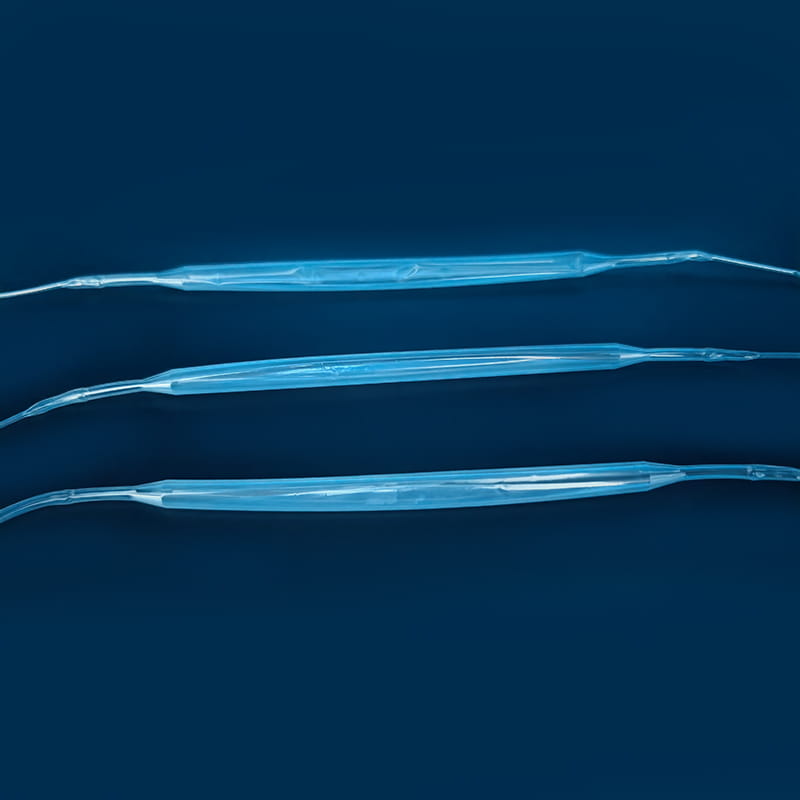
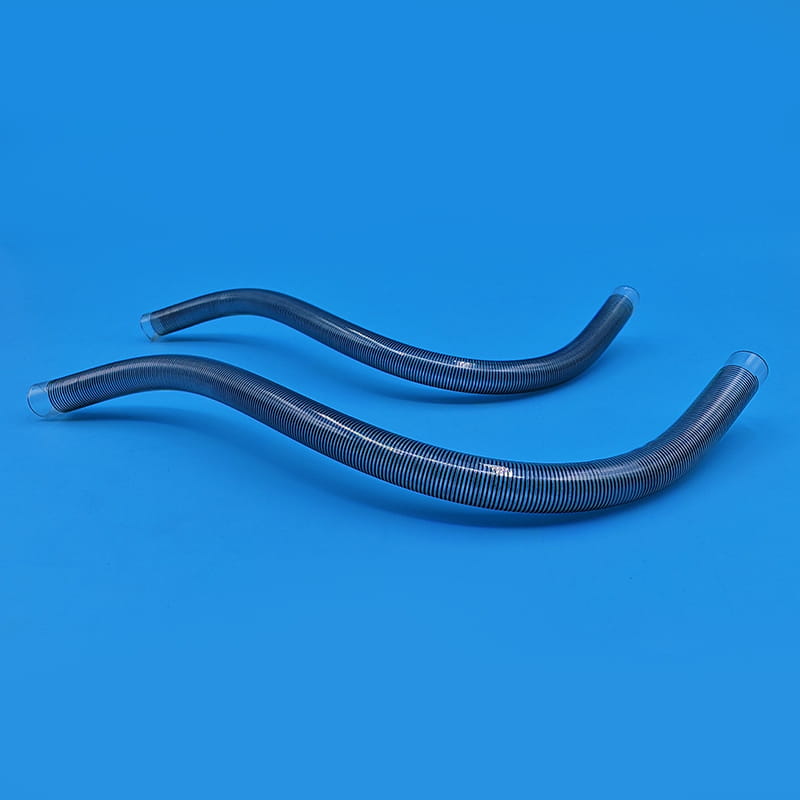
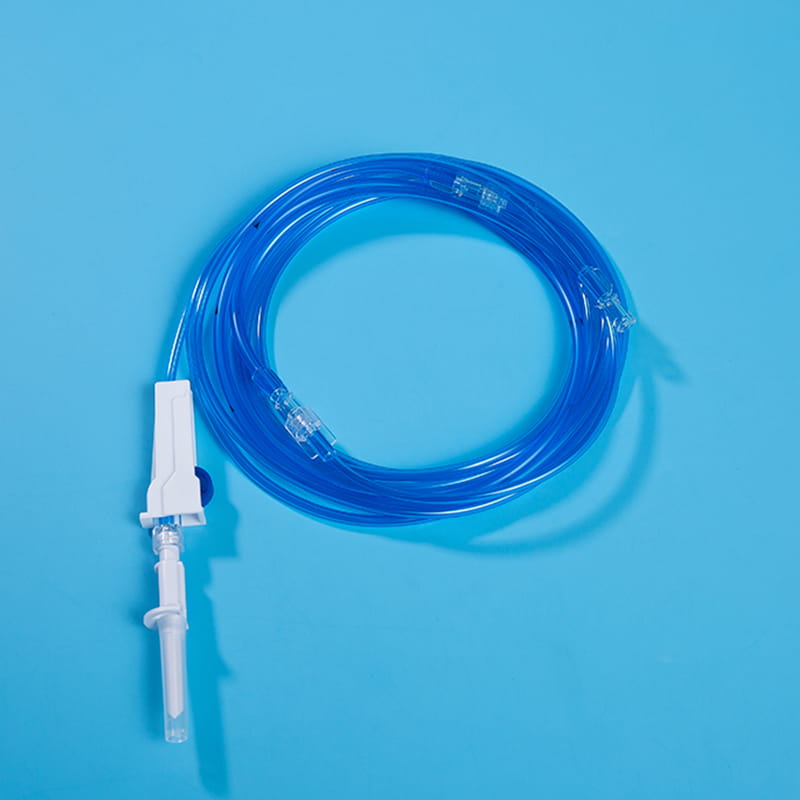
A medical peristaltic pump tube is a flexible medical-grade tube used in peristaltic pumps where rollers compress the tube to move fluids without direct contact with pump components. Understanding the structure and components helps buyers evaluate quality and performance.
Structural Components and Their Functions
Every medical peristaltic pump tube consists of six essential components:
- Medical-grade tube material: Ensures biocompatibility and meets regulatory requirements for medical device applications.
- Inner tube surface: Supports smooth fluid flow, minimizes particle generation, and prevents fluid interaction with tube material.
- Outer protective layer: Provides additional durability and protection against environmental factors and mechanical stress.
- Tube wall structure: Enables compression recovery and maintains dimensional stability during repeated pump cycles.
- Connector interfaces: Enable system integration with standard medical fittings and equipment connections.
- Sterile packaging: Maintains product safety and sterility until the point of use in clinical settings.
How Medical Peristaltic Pump Tubes Work
The operating principle is based on pump rollers compressing the flexible tube. Compression creates fluid movement as the rollers advance along the tube length. Tube recovery generates continuous flow as the tube returns to its original shape after roller passage. Fluid remains completely isolated inside the tube, never contacting pump components. Key performance requirements include accurate flow rate (delivering precise fluid volumes), low particle generation (maintaining fluid purity), pressure resistance (withstanding system pressures), and long compression life (withstanding millions of pump cycles without failure).
Types of Medical Peristaltic Pump Tubes
Medical peristaltic pump tubes are available in various materials and configurations to suit different medical applications, fluid types, and performance requirements.
| Tube Type | Key Features | Best Applications | Material Properties |
| Silicone | Excellent flexibility, temperature resistance, biocompatibility | Infusion systems, laboratory equipment | Soft, elastic, biocompatible |
| PVC | Cost-effective, good transparency, flexible | Disposable devices, fluid delivery systems | Clear, economical, flexible |
| TPE | Chemical resistance, good elasticity, latex-free | Drug delivery, laboratory systems | Elastic, chemical resistant |
| TPU | High wear resistance, strong mechanical properties | Precision equipment, industrial medical devices | Durable, wear-resistant |
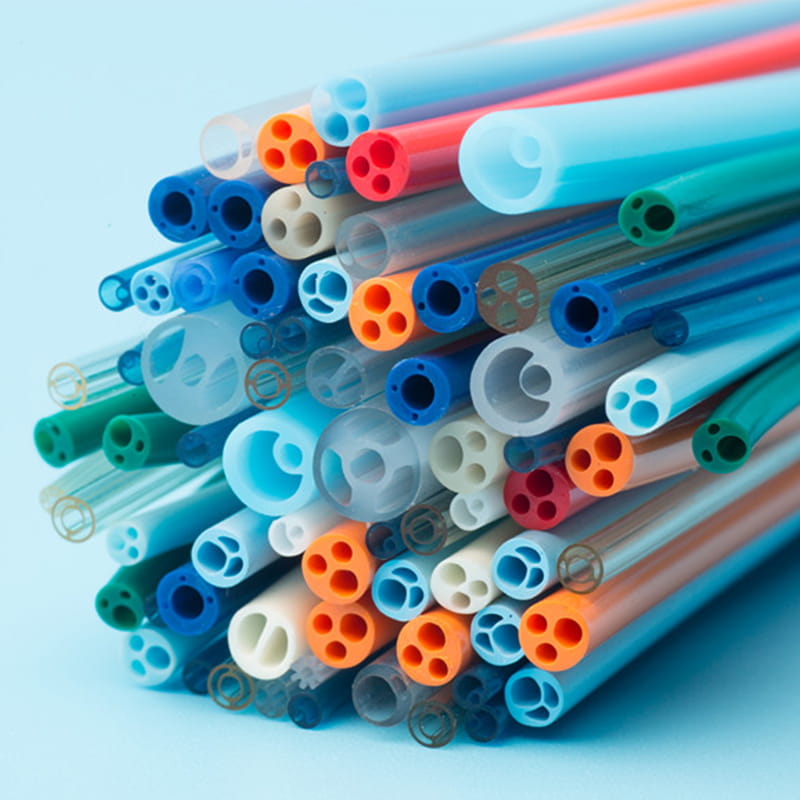
| Multi-layer | Enhanced strength, improved barrier performance | Advanced medical equipment, pharmaceutical systems | Customized functions |
| Custom Solutions | Diameter, wall thickness, material, length, connectors | Medical device manufacturers, OEM projects | Tailored specifications |
Select the right tube type based on your application requirements. Silicone for flexibility and biocompatibility; PVC for cost-effective disposable applications; TPE for chemical resistance; TPU for durability; multi-layer for advanced performance; custom for brand-specific requirements.
Manufacturing Process and Quality Standards
Medical peristaltic pump tubes undergo a precision manufacturing process that ensures performance, sterility, and regulatory compliance. Understanding this process helps buyers evaluate supplier capabilities and product quality.
Medical Material Selection and Formula Development
The production process begins with medical-grade raw material selection. Polymer formulation ensures consistent material properties. Additive control maintains purity and biocompatibility. Material testing verifies biocompatibility (ISO 10993), chemical stability, and mechanical performance before production begins.
Extrusion and Tube Forming Process
Manufacturing methods include material melting (controlled heating), tube extrusion (precision forming), diameter control (real-time monitoring), and cooling and shaping (dimensional stabilization). These processes affect wall thickness accuracy, surface smoothness, and dimensional consistency — critical for reliable pump performance.
Sterilization and Surface Treatment
Finishing processes include cleaning (removing contaminants), sterilization (ethylene oxide, gamma, or autoclave), surface treatment (enhancing performance), and packaging (maintaining sterility). These processes improve safety, reduce contamination risk, and ensure medical application reliability.
Quality Testing and Performance Inspection
Medical peristaltic pump tubes undergo comprehensive testing: leakage testing (seal integrity), pressure resistance testing (burst strength), dimensional inspection (precision measurement), biocompatibility testing (cytotoxicity and sensitization), and compression cycle testing (lifespan verification). Quality requirements include stable flow performance, reliable durability, and consistent product quality across all production batches.
Key Advantages of Medical Peristaltic Pump Tubes
The value proposition of medical peristaltic pump tubes extends beyond basic tubing — delivering critical benefits for healthcare applications.
Precise flow control and stable fluid transfer reduce delivery errors — improving treatment accuracy and enhancing equipment performance for patient care.
Fluid only contacts the tube interior while the pump mechanism remains isolated — reducing contamination possibility and improving hygiene control for safer medical applications.
Repeated compression capability and elastic recovery performance resist deformation — enabling longer pump operation life and stable flow output over millions of cycles.
Resistance to different fluids, compatibility with medical solutions, and material selection flexibility — suitable for various healthcare applications with reduced material failure risks.
Primary Applications Across Healthcare
The versatility of medical peristaltic pump tubes makes them suitable for a broad spectrum of healthcare applications, each with specific performance requirements.
- Infusion and drug delivery equipment: Infusion pumps, medication delivery systems, and patient care equipment requiring flow accuracy, sterility, and reliability.
- Dialysis and blood processing equipment: Dialysis machines, blood circulation systems, and medical filtration equipment requiring biocompatibility, pressure resistance, and safe fluid handling.
- Laboratory and diagnostic equipment: Laboratory analyzers, sample transfer systems, and testing instruments requiring precision, chemical resistance, and stable performance.
- Medical device manufacturing and distribution: Medical equipment manufacturers, healthcare distributors, and OEM medical device companies prioritizing material certification, supply capability, and production consistency.
Medical Peristaltic Pump Tube vs Other Medical Tubing
Making an informed decision requires understanding how medical peristaltic pump tubes compare to alternative medical tubing options.
Peristaltic vs Standard Medical Tubing
Peristaltic pump tubes are specifically designed for compression-based fluid transfer with superior flexibility and recovery properties. Standard medical tubes may not withstand repeated compression cycles. Peristaltic tubes offer better flow control and equipment compatibility for pump applications.
Silicone vs PVC Medical Pump Tubes
Silicone offers superior flexibility, biocompatibility, and temperature resistance but is more expensive. PVC provides cost-effectiveness and transparency but has limited chemical resistance. Choose silicone for premium applications and PVC for disposable, cost-sensitive devices.
Single-layer vs Multi-layer Medical Tubes
Single-layer tubes offer simplicity and cost-effectiveness. Multi-layer tubes provide enhanced barrier properties, improved chemical resistance, and custom performance features. Choose multi-layer for demanding pharmaceutical and high-performance medical applications.
How to Choose the Right Medical Peristaltic Pump Tube
Selecting the optimal medical peristaltic pump tube involves evaluating both the product and the manufacturer.
Key Manufacturer Evaluation Factors
For medical device manufacturers and healthcare buyers, supplier selection is critical. Assess potential manufacturers on: medical manufacturing experience (proven track record), quality management system (ISO 13485 certification), cleanroom production capability (controlled environment), material certification (regulatory compliance), production capacity (volume and lead time), and customization ability (design flexibility).
Critical Technical Specifications
When comparing products, examine these key parameters: inner diameter (flow rate capacity), outer diameter (pump compatibility), wall thickness (durability), material type (biocompatibility), hardness (flexibility), pressure rating (system compatibility), temperature resistance (operating range), and sterilization compatibility (method compatibility). Specification tables from reputable manufacturers provide essential data for informed decision-making.
Storage and Maintenance Guide
Proper storage and handling of medical peristaltic pump tubes ensures performance and sterility until use.
- Maintain temperature control (15-25°C)
- Protect packaging from damage
- Follow sterile storage requirements
- Follow sterile handling procedures
- Check expiration dates before use
- Inspect for damage before installation
- Follow manufacturer installation guidelines
- Verify pump compatibility
- Test flow before clinical use
Common Issues and Solutions
- Tube deformation: Usually caused by improper storage or incompatible pump settings — store at recommended temperatures and verify pump roller tension.
- Leakage: Results from damaged tubing or improper connections — inspect for visible damage and verify connector compatibility before use.
- Reduced elasticity: Caused by excessive compression or chemical exposure — select appropriate tube material for the specific fluid and replace tubes according to recommended schedules.
- Flow inconsistency: Indicates tube wear or pump calibration issues — replace tubes at recommended intervals and calibrate pumps regularly.
Future Trends
The medical peristaltic pump tube industry continues to evolve with technological advances and changing healthcare requirements.
Advanced Biocompatible Materials
New material developments include enhanced biocompatibility, reduced extractables, and improved performance characteristics. Bio-based and sustainable materials are emerging for environmentally conscious healthcare applications.
Smart Monitoring Integration
Smart tubing with integrated sensors enables real-time flow monitoring, leak detection, and predictive maintenance. These technologies improve patient safety and equipment reliability in critical care settings.
Antimicrobial and Functional Tubing
Antimicrobial additives reduce infection risk in healthcare settings. Functional coatings enhance lubricity, reduce friction, and improve compatibility with challenging fluids and pharmaceuticals.
What materials are used for medical peristaltic pump tubes?
Common materials include silicone (premium flexibility and biocompatibility), PVC (cost-effective and transparent), TPE (chemical resistance and latex-free), TPU (high durability and wear resistance), and specialty materials for specific applications. Material selection depends on fluid compatibility, performance requirements, and cost considerations.
How long do peristaltic pump tubes last?
Tube lifespan depends on material, pump speed, compression force, fluid type, and operating conditions. Silicone tubes typically last 100-500 hours of continuous operation, while TPU tubes offer longer wear resistance. Replace tubes according to manufacturer recommendations or when flow inconsistencies appear.
What sterilization methods are compatible?
Compatible sterilization methods include ethylene oxide (EtO), gamma irradiation, and autoclave sterilization. Material selection determines sterilization compatibility — silicone and TPE generally tolerate multiple sterilization cycles, while some materials may degrade with certain methods.
How do I select the correct tube size?
Tube size selection depends on required flow rate, pump specifications, and system pressure. Inner diameter determines flow capacity; outer diameter must match pump roller configuration. Consult pump manufacturer recommendations and tube supplier specifications for optimal sizing.
Are medical peristaltic pump tubes single-use or reusable?
Applications vary. Many medical applications use single-use disposable tubes for infection control and convenience. Some laboratory and industrial applications use reusable tubes with appropriate cleaning and sterilization procedures. Check manufacturer recommendations for specific products.
For more information, please call us at +86-18913710126 or email us at [email protected].
A medical peristaltic pump tube is a specialized fluid transfer component designed for accurate, st...
The Evolution of Catheter Visualization Technology Minimally invasive procedures have fundamentally...
Understanding Medical Catheters in Modern Healthcare Medical devices have revolutionized patient ca...
A straight catheter reaches most of the airway, but the last centimeter into a tracheostomy branch...
Medical professionals depend on tubing materials that combine reliability, safety, and performance...
A medical precision catheter is manufactured to exacting dimensional tolerances so clinicians can n...