
 English
  عربى
عربى  中文简体
中文简体  русский
  Français
  Deutsch
 Understanding FEP Guidewire Protective Sheath Tubing
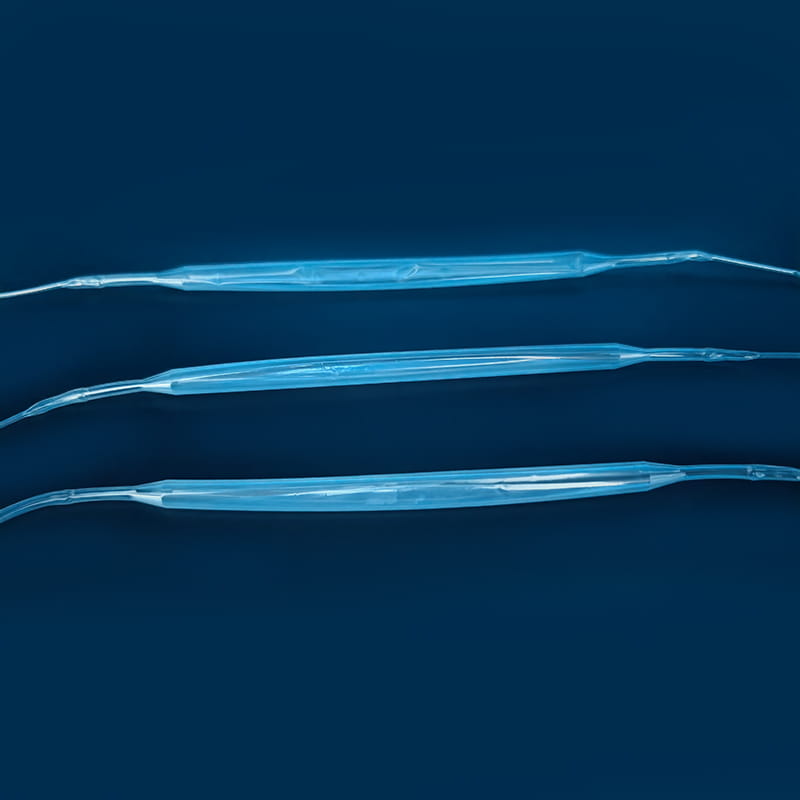
Minimally invasive medical procedures have revolutionized patient care by reducing trauma, accelerating recovery, and improving clinical outcomes. At the heart of these procedures lies a critical component that often goes unnoticed: the medical precision catheter sheath. More specifically, fluorinated ethylene propylene (FEP) guidewire protective sheath tubing represents a sophisticated solution engineered to meet the demanding requirements of modern interventional medicine.
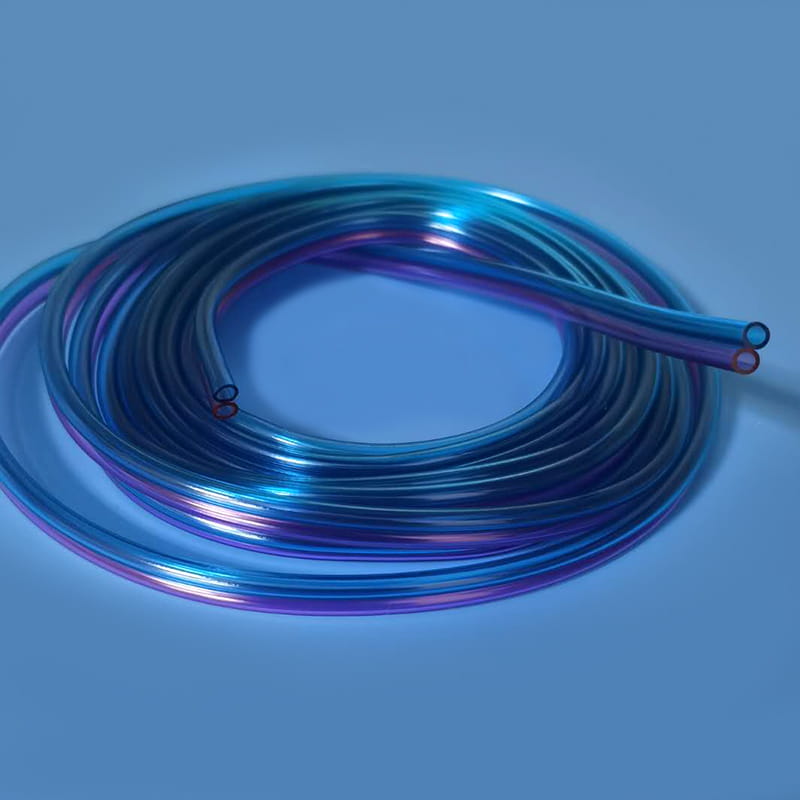
FEP sheath tubing serves as a protective conduit for guidewires during catheterization procedures. This specialized tubing must balance multiple performance characteristics: transparency for visualization, flexibility for navigation through tortuous vasculature, durability to withstand repeated sterilization cycles, and chemical resistance to medical fluids and contrast agents. Understanding these materials and their applications provides insight into why precision manufacturing in medical device design is non-negotiable.
Material Composition and Key Properties
FEP is a fluorocarbon polymer that offers exceptional chemical resistance and thermal stability. Unlike many polymers that degrade when exposed to solvents, disinfectants, or sterilizing agents, FEP maintains its structural integrity across a wide range of chemical environments found in hospital settings.
Primary Characteristics of FEP Medical Tubing
- Chemical Resistance: FEP exhibits superior resistance to alcohols, acetone, and various pharmaceutical agents without swelling or degradation
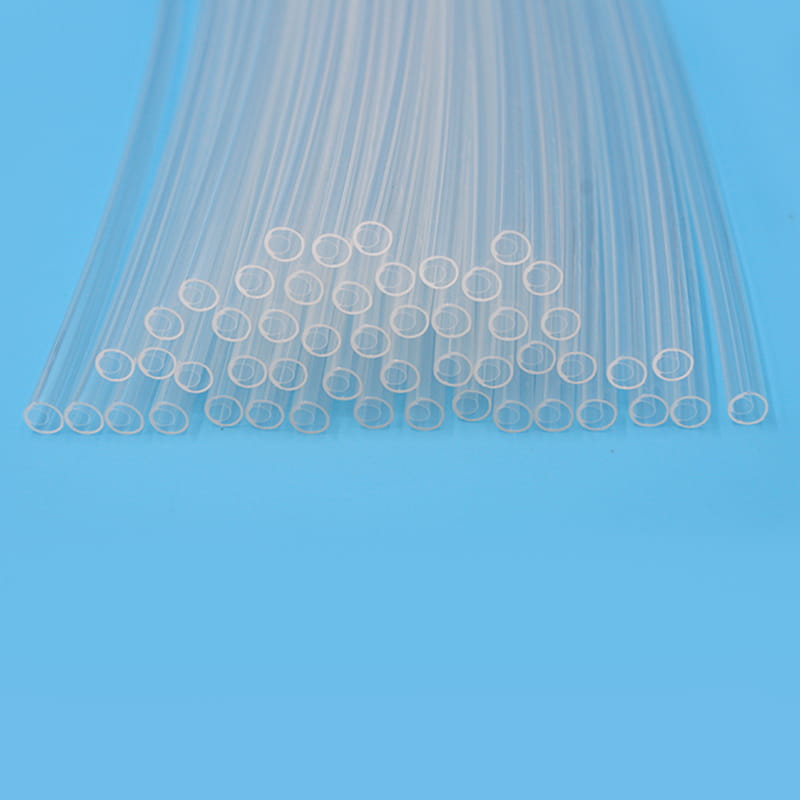
- Optical Clarity: Transparent FEP allows physicians to visualize guidewire positioning and detect any procedural complications in real time
- Low Friction Surface: The inherent properties of FEP reduce friction coefficients, enabling smooth guidewire advancement with minimal resistance
- Thermal Stability: FEP maintains mechanical properties across temperatures from minus 20 to plus 200 degrees Celsius
- Biocompatibility: FEP formulations comply with ISO 10993 standards for biocompatibility, ensuring safe contact with blood and tissue
Manufacturing Precision Requirements
Medical-grade FEP sheath tubing demands exacting manufacturing tolerances. Typical specifications include:
| Specification Parameter | Typical Range | Clinical Significance |
|---|---|---|
| Inner Diameter Tolerance | Plus or minus 0.05 to 0.10 mm | Ensures consistent fit with guidewires |
| Outer Diameter Tolerance | Plus or minus 0.08 to 0.15 mm | Critical for catheter assembly compatibility |
| Wall Thickness Uniformity | Variance less than 0.02 mm | Maintains mechanical properties throughout tubing length |
| Surface Roughness | Ra less than 0.2 micrometers | Reduces friction and trauma during insertion |

Clinical Applications in Minimally Invasive Procedures
FEP guidewire protective sheath tubing serves as an essential component across numerous interventional procedures. The protective barrier it provides enables clinicians to perform complex vascular and non-vascular interventions with confidence and precision.
Cardiovascular Interventions
In coronary angiography and percutaneous coronary intervention procedures, guidewires must navigate tortuous coronary arteries while remaining protected from vessel wall trauma. FEP sheath tubing maintains its flexibility even when bent to acute angles, allowing seamless tracking through challenging anatomical configurations. The material's radiopacity can be enhanced through specialized manufacturing techniques, enabling better visualization during fluoroscopic guidance.
Peripheral Vascular Procedures
When addressing peripheral arterial disease through endovascular techniques, clinicians rely on guidewires to establish pathways through stenotic lesions. FEP protective sheaths prevent guidewire kinking and facilitate smooth navigation through femoral, iliac, and distal vessels. The low friction characteristics of FEP reduce the force required to advance guidewires, thereby minimizing procedural time and radiation exposure.
Neurointervention Applications
Neurointerventional procedures demand exceptional precision due to the delicate nature of cerebral vasculature. Thin-wall FEP medical sheath tubing with high tolerance specifications enables neurovascular specialists to navigate to distal vessels with minimal traumatic potential. The transparency of FEP allows real-time assessment of guidewire position relative to surrounding anatomy.
Urological and Biliary Procedures
Beyond vascular applications, disposable interventional medical FEP catheter sheath tubes are utilized in urological drainage procedures, biliary stent placement, and pancreatic interventions. The chemical resistance of FEP ensures compatibility with contrast agents, saline solutions, and irrigating fluids commonly employed in these specialties.
Manufacturing Standards and Quality Control
The production of high tolerance FEP medical catheter sheath tubing for guide wire protection requires sophisticated extrusion and quality assurance processes. Every meter of tubing must meet stringent specifications before reaching clinical use.
Extrusion Process Considerations
FEP is processed at elevated temperatures to achieve optimal melt flow characteristics. Temperature control during extrusion is critical because excessive heat can degrade the polymer chains, while insufficient heat results in dimensional inconsistencies. Modern medical device manufacturers employ computer-controlled extrusion systems with real-time feedback mechanisms to maintain temperature profiles within narrow bands.
Quality Assurance Testing
Upon completion of extrusion, every production batch undergoes rigorous testing protocols:
- Dimensional Verification: Automated measurement systems verify inner diameter, outer diameter, and wall thickness at multiple points along the tubing length
- Burst Pressure Testing: Samples are subjected to increasing internal pressure until failure to confirm mechanical integrity
- Tensile Strength Assessment: The tubing is stretched to determine elongation properties and stress tolerance
- Chemical Compatibility: Tubing samples are immersed in relevant fluids and assessed for dimensional stability and surface degradation
- Sterilization Validation: Samples undergo sterilization cycles to confirm material stability and confirmation of sterility
- Optical Clarity Inspection: Transparency is verified using standardized light transmission methods
Regulatory Compliance Framework
Medical-grade FEP sheath tube interventional guidewire protective tubing must comply with multiple regulatory requirements. In the United States, manufacturers must adhere to FDA regulations including 21 CFR Part 820 for quality system management. In Europe, compliance with Medical Device Regulation 2017/745 ensures products meet EU standards. Additional requirements include ISO 13485 for medical device quality management systems and ISO 10993 for biocompatibility assessment.
Design Considerations for Optimal Performance
Diameter Selection and Clinical Requirements
The selection of guidewire sheath tubing diameter represents a critical design decision with multiple clinical implications. Smaller diameter tubing reduces vascular trauma and improves tracking characteristics through tortuous anatomy. However, excessively small diameters may compromise protective capabilities or limit guidewire advancement options. Typical medical applications employ tubing with inner diameters ranging from 0.35 millimeters to 2.0 millimeters, with corresponding outer diameters selected to optimize contrast material visibility and mechanical properties.
Wall Thickness Optimization
The optimal wall thickness for FEP protective sheaths balances conflicting requirements. Thicker walls provide superior burst pressure resistance and mechanical protection but increase stiffness and reduce flexibility. Thin wall FEP medical sheath tubing achieves improved flexibility while maintaining adequate protective properties through advanced material formulations and precise manufacturing control. Clinical evidence demonstrates that wall thicknesses between 0.08 and 0.25 millimeters provide adequate performance for most interventional applications.
Surface Finish and Friction Characteristics
The internal surface finish of protective sheath tubing directly influences friction forces during guidewire advancement. Microscopically rough surfaces increase drag and potentially increase procedural time and patient radiation exposure during fluoroscopic guidance. Modern manufacturing techniques achieve surface finishes smoother than 0.2 micrometers, significantly reducing friction coefficients and improving clinical performance.
Flexibility and Kink Resistance
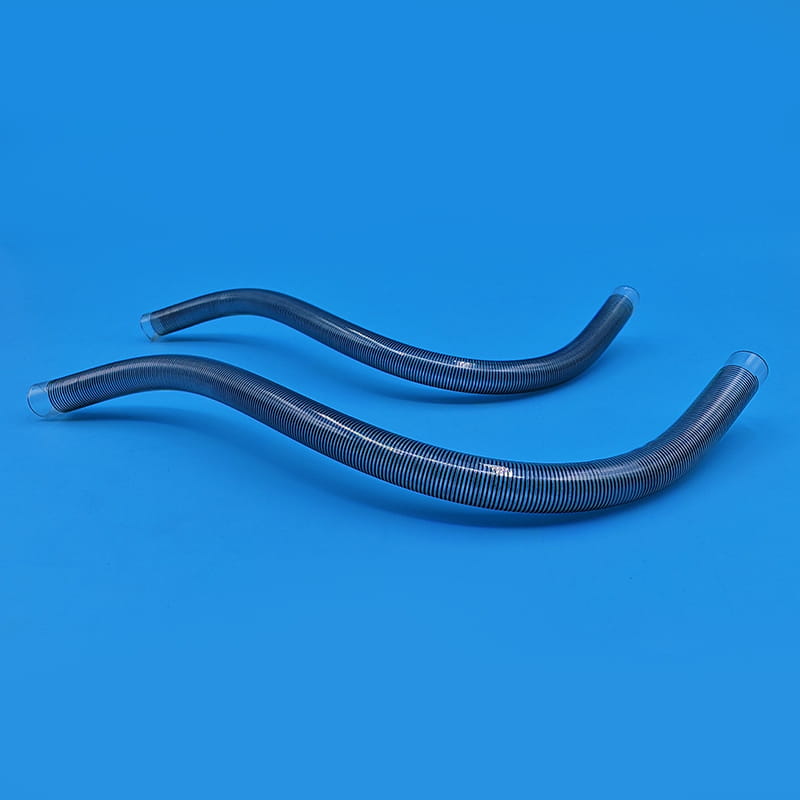
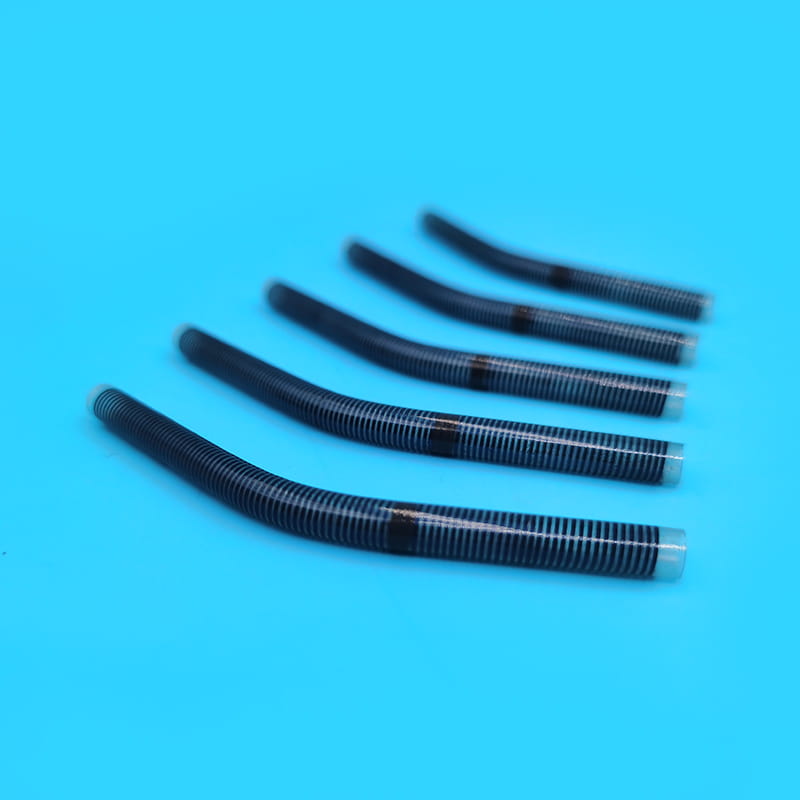
Guidewire protective tubing must navigate complex vascular pathways without kinking, which could compromise guidewire function or cause vascular injury. The flexibility profile of FEP can be modified through slight adjustments to composition and processing techniques. Some manufacturers incorporate reinforcing structures such as helical windings or braid reinforcement to optimize the balance between flexibility and kink resistance, though pure FEP extrusions often provide sufficient performance for most applications.
Sterilization Compatibility and Shelf Life Considerations
Sterilization Methods
Medical devices containing FEP sheath components must withstand one or more sterilization methods without degradation. Common sterilization approaches include:
- Ethylene Oxide Gas Sterilization: The most common method for complex medical devices, ethylene oxide effectively sterilizes without generating heat that could damage polymeric components. FEP demonstrates excellent stability during ethylene oxide sterilization at standard cycles
- Steam Sterilization: Autoclaving at temperatures up to 121 degrees Celsius can be employed with FEP, though manufacturers must validate compatibility for specific device designs and FEP formulations
- Gamma Radiation Sterilization: Ionizing radiation effectively eliminates pathogens and meets the sterilization assurance level requirements for terminal sterilization. FEP demonstrates good resistance to gamma radiation compared to many alternative polymers
- Electron Beam Sterilization: Similar to gamma radiation in mechanism, electron beam sterilization provides rapid processing with minimal heat generation and demonstrates acceptable compatibility with FEP materials
Residual Gas Absorption and Aeration
Ethylene oxide sterilized devices may retain residual sterilant that requires aeration before clinical use. FEP materials absorb ethylene oxide to a minimal degree compared to many polymers, reducing aeration time requirements. Properly validated aeration protocols ensure that residual ethylene oxide concentrations remain below regulatory limits, typically less than 5 micrograms per gram for most applications.
Long Term Storage and Shelf Life
Packaged medical devices undergo aging during storage at controlled room temperature. FEP materials demonstrate excellent shelf life stability when stored in appropriate conditions, typically remaining suitable for clinical use for two to five years when maintained at temperature below 25 degrees Celsius with controlled humidity. Regular shelf life studies validate that FEP guidewire protective sheaths retain dimensional accuracy, mechanical properties, and optical clarity throughout the designated shelf life period.
Selecting the Right FEP Sheath Specification for Your Application
Assessment Criteria
Choosing appropriate transparent FEP precision medical sheath tubing minimally invasive instrument specifications requires systematic evaluation of multiple parameters:
- Intended Guidewire Dimensions: Specify both the guidewire diameter and material composition to ensure compatible tubing inner diameter tolerances
- Vascular Access Route: Different vascular pathways impose different mechanical demands; femoral access allows larger bore catheters while radial access requires smaller diameter systems
- Procedural Duration: Longer procedures may benefit from tubing with slightly larger diameters to minimize friction-related heating effects
- Anatomical Considerations: Tortuous vessel anatomy may necessitate tubing with optimized flexibility profiles to facilitate advancement without kinking
- Sterilization Method: Confirm that selected tubing specifications are validated for your facility's sterilization approach
- Contrast Compatibility: Certain FEP formulations may interact differently with specific iodinated contrast agents; compatibility should be confirmed for high-osmolarity or high-concentration formulations
Performance Documentation and Traceability
Reputable manufacturers provide detailed technical data sheets specifying dimensional tolerances, material properties, sterilization validation status, and biocompatibility test results. This documentation enables clinicians and biomedical engineers to make informed decisions regarding specification selection. Batch-specific traceability ensures that if performance concerns arise clinically, individual lots can be identified and investigated comprehensively.
Advancements and Future Directions in Protective Sheath Technology
Enhanced Imaging Capabilities
Current research explores methods to enhance the radiopacity of FEP sheaths without compromising other desirable properties. Incorporating dispersed radiopaque additives or utilizing composite materials may enable improved fluoroscopic visualization of protective sheaths during procedures, potentially improving safety by enabling real-time confirmation of sheath positioning.
Advanced Surface Modifications
Surface coating technologies applied to FEP sheath tubing may further reduce friction, enhance lubricity, or provide antimicrobial properties. Hydrophilic coatings, heparin-based coatings, or nanostructured surfaces represent areas of ongoing investigation to enhance clinical performance and reduce procedure-related complications.
Integrated Sensing Technologies
Emerging medical devices incorporate sensors within or alongside protective tubing to provide real-time feedback regarding guidewire position, temperature, or pressure profiles. Future generations of protective sheath tubing may integrate such sensing capabilities directly within the tubing structure, enabling enhanced guidance and safety monitoring during complex interventional procedures.
Sustainable Manufacturing Approaches
As healthcare systems increasingly prioritize sustainability, manufacturers explore methods to reduce waste in FEP tubing production. Optimized extrusion processes that minimize scrap material, development of recyclable packaging for sterile tubing, and evaluation of alternative fluoropolymers with reduced environmental impact represent ongoing areas of development.
Frequently Asked Questions
Q1: What advantages does FEP offer compared to other protective sheath materials?
FEP offers a unique combination of properties that alternative materials often cannot match simultaneously. Compared to polyethylene, FEP provides superior chemical resistance and maintains optical clarity with less yellowing over time. Compared to silicone, FEP offers better mechanical stability and lower extractable content. Unlike polyurethane, FEP does not absorb water or swell when exposed to aqueous solutions. The balanced property profile of FEP makes it particularly well-suited for demanding minimally invasive applications where transparency, chemical resistance, and mechanical performance must coexist.
Q2: How are dimensional tolerances maintained during FEP tubing extrusion at high temperatures?
Maintaining precise dimensional tolerances during high-temperature FEP extrusion requires sophisticated process control. Computer-controlled extruders with multiple heating zones maintain melt temperature within narrow bands, typically plus or minus 5 degrees Celsius. Precision die designs with minimal pressure fluctuations ensure consistent material flow. Real-time measurement systems using laser micrometry or X-ray techniques verify dimensions continuously throughout production. Post-extrusion sizing stages can be employed to achieve final dimensional specifications, and specialized cooling profiles during take-up prevent thermal contraction distortion that could otherwise occur as tubing cools.
Q3: Can FEP sheath tubing be reused after sterilization, or must it be discarded?
FEP protective sheath tubing used in clinical practice is designated for single-use applications and should not be reused. Repeated exposure to sterilization cycles, combined with mechanical stress during clinical use such as guidewire advancement and potential microtrauma, raises concerns regarding material integrity in reprocessed tubing. Clinical guidelines and regulatory standards generally prohibit reuse of such components due to patient safety considerations. Original packaging clearly designates tubing as single-use to prevent potential confusion regarding reprocessing status.
Q4: How does tubing diameter affect guidewire tracking performance during navigation of tortuous vessels?
Guidewire tracking through tortuous vessels involves complex interactions between guidewire stiffness, protective sheath stiffness, and vascular anatomy. Smaller diameter tubing reduces the composite stiffness of the guidewire-sheath system, generally improving tracking characteristics through tortuous pathways. However, excessively small diameters may compromise the protective capability of the sheath if guidewire forces exceed the lateral support capacity of the tubing. Optimal diameter selection represents a balance between tracking requirements and protective function, with different anatomical targets and guidewire types often necessitating different sheath specifications.
Q5: What should clinicians do if tubing kinking occurs during a procedure?
If protective sheath tubing kinks during use, the kinked section compromises the ability of the sheath to slide along the guidewire smoothly and may prevent guidewire advancement or cause vascular trauma. Kinked tubing should not be forced beyond the kink point as this may damage the guidewire or injure the vessel wall. Clinical options include gently withdrawing the guidewire and tubing together to relieve the kink, or if unsuccessful, removing both the guidewire and protective sheath as a unit and assessing the vessel. Prevention through appropriate technique and careful guidewire advancement minimizes kinking risk and represents the preferred approach.
Q6: Are there specific contrast agent formulations that may degrade FEP protective sheaths?
FEP demonstrates excellent resistance to most iodinated contrast agents used in interventional radiology. However, extremely high-osmolarity formulations or experimental contrast agents with unusual chemical compositions have not been tested with every FEP formulation. Manufacturers typically provide chemical compatibility data for commonly used contrast agents. If unusual contrast agents are anticipated in a procedure, consultation with the device manufacturer regarding compatibility represents best practice. Under normal clinical use with standard contrast formulations, FEP protective sheaths demonstrate stable performance without degradation.
Q7: How do manufacturing techniques ensure optical clarity in FEP tubing?
Optical clarity in FEP tubing depends on minimizing crystallinity variations and avoiding contamination during manufacturing. FEP naturally tends toward high optical clarity due to its amorphous character at room temperature. However, during extrusion, uncontrolled cooling can introduce crystallization that reduces transparency. Controlled cooling profiles following extrusion maintain the amorphous state and preserve optical clarity. Scrupulous hygiene during production prevents particulate contamination that could scatter light and reduce transparency. Final tubing inspection using light transmission measurement confirms that optical clarity meets specifications before shipment.
Q8: What post-market surveillance mechanisms exist to monitor FEP protective sheath performance?
Medical device manufacturers maintain post-market surveillance systems to capture adverse events and performance issues related to protective sheath tubing. Healthcare facilities report serious adverse events through regulatory channels such as the FDA MedWatch system or equivalent European reporting mechanisms. Manufacturers analyze complaint data to identify potential issues and implement corrective actions if warranted. Additionally, periodic re-evaluation of manufacturing processes and materials ensures that quality standards remain consistently met. Clinician feedback regarding performance characteristics contributes to continuous improvement in sheath design and manufacturing.