
 English
  عربى
عربى  中文简体
中文简体  русский
  Français
  Deutsch
 Medical Catheters in Emergency Care: How They Save Lives in Critical Situations
Emergency medicine depends on speed, precision, and reliability. In critical situations, even a short delay can affect outcomes. Among the many essential tools used by emergency teams, medical catheters play a vital role in stabilizing patients, supporting rapid intervention, and enabling life-saving treatment.
From restoring circulation to managing airway access and draining critical fluid accumulation, medical catheters are indispensable across emergency departments, trauma centers, and intensive care units. Their adaptability and functionality make them essential devices for modern emergency care.
Why Medical Catheters Matter in Emergency Medicine
Emergency care often requires immediate internal access to the body for diagnosis or treatment. Medical catheters create this access safely and efficiently.
They allow healthcare professionals to:
- Deliver fluids and medications rapidly
- Drain fluids that threaten organ function
- Monitor internal pressure and body response
- Restore circulation in compromised vessels
- Assist diagnostic procedures during unstable conditions
Without medical catheters, many emergency interventions would be slower, more invasive, and less effective.
The value of these devices lies in their ability to combine speed with precision. This is especially critical when every second matters.
Common Types of Medical Catheters Used in Emergencies
Different emergency conditions require specialized catheter designs. Each type addresses a specific clinical challenge.
| Catheter Type | Emergency Function | Typical Clinical Use |
|---|---|---|
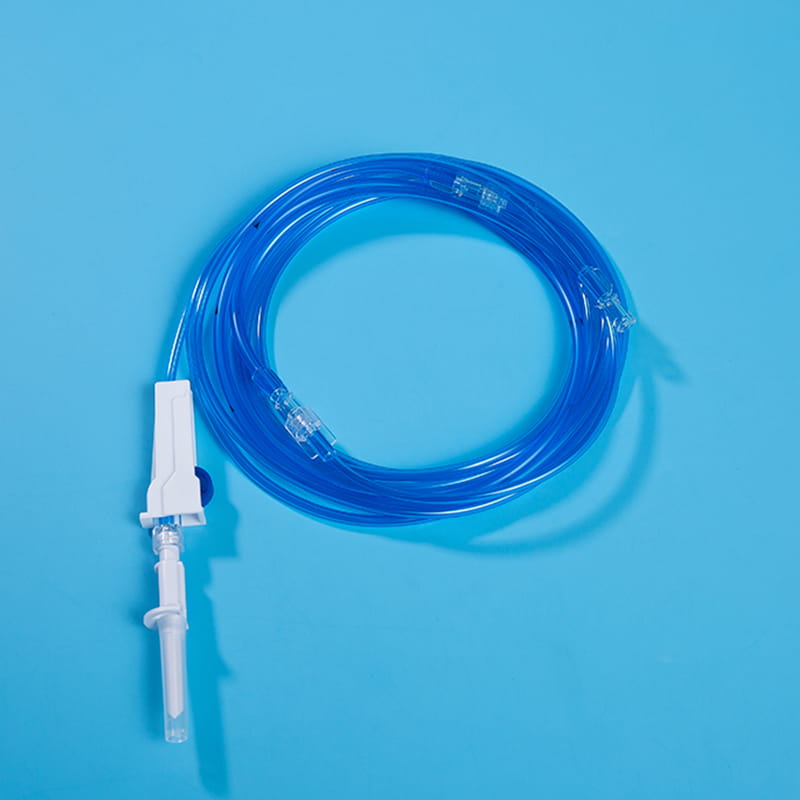
| Intravenous Catheters | Rapid vascular access | Fluid resuscitation, medication delivery |
| Urinary Catheters | Bladder drainage and monitoring | Trauma care, surgical emergencies |
| Central Venous Catheters | Advanced vascular access | Critical care stabilization |
| Suction Catheters | Airway clearance | Respiratory distress management |
| Drainage Catheters | Removal of fluid or blood | Thoracic or abdominal emergencies |
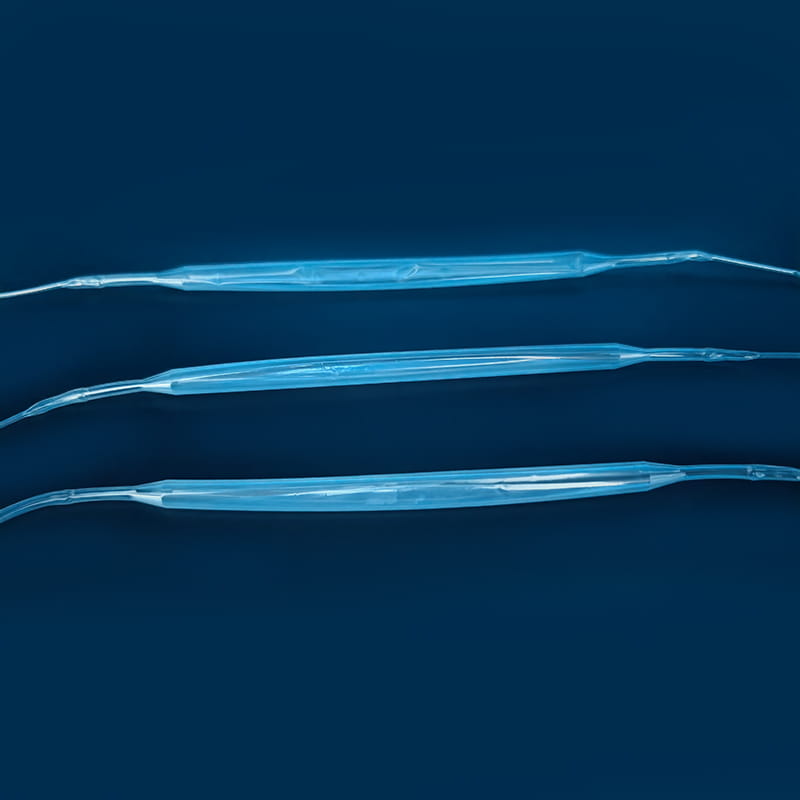
| Balloon Catheters | Vessel opening or retention | Cardiac intervention, obstruction relief |
Each of these medical catheters serves a distinct role, allowing clinicians to respond efficiently to rapidly changing conditions.
Rapid Vascular Access Saves Lives
One of the priorities in emergency care is securing access to the bloodstream.
Medical catheters enable immediate delivery of:
- Blood products
- Emergency medications
- Electrolyte correction
- Pain management solutions
- Life-support fluids
In cases of severe trauma, dehydration, or shock, rapid infusion can restore circulation and improve oxygen delivery to vital organs.
Peripheral intravenous catheters are often the choice because they are fast to place. When more stable or higher-volume access is needed, central venous medical catheters become essential.
This flexibility allows medical teams to adapt interventions based on urgency and patient condition.
Airway Protection During Respiratory Emergencies
Respiratory failure requires immediate action.
Suction medical catheters help clear airways blocked by mucus, blood, or foreign material. This restores airflow and prevents further oxygen deprivation.
These catheters are critical in:
- Cardiac arrest response
- Severe respiratory infection management
- Trauma-related airway obstruction
- Post-intubation airway maintenance
Emergency clinicians rely on medical catheters to maintain airway patency while preparing advanced respiratory support.
Without effective suction and airway management, complications can escalate within minutes.
Managing Internal Pressure and Fluid Build-Up
Excess fluid accumulation can become life-threatening when it compresses organs or interferes with circulation.
Medical catheters allow immediate drainage to relieve pressure.
Examples include:
Thoracic emergencies
Drainage catheters remove trapped air or fluid around the lungs, restoring expansion.
Urinary retention emergencies
Urinary medical catheters rapidly relieve bladder obstruction and allow output monitoring.
Abdominal complications
Fluid drainage helps stabilize internal pressure and support diagnosis.
These interventions often provide immediate physiological improvement and guide next treatment steps.
Monitoring Patient Status in Real Time
Emergency care requires constant reassessment.
Certain medical catheters allow continuous monitoring of critical parameters such as:
- Blood pressure within major vessels
- Urine output trends
- Cardiac pressure changes
- Fluid balance status
These measurements provide clinicians with real-time feedback.
Accurate monitoring helps emergency teams:
- Adjust treatment rapidly
- Detect deterioration earlier
- Evaluate intervention effectiveness
- Prevent secondary complications
The diagnostic role of medical catheters is just as important as their therapeutic use.
Key Performance Features of Emergency Medical Catheters
Emergency conditions demand devices that perform under pressure.
The effective medical catheters are designed with specific clinical priorities.
| Performance Feature | Clinical Benefit |
|---|---|
| Smooth insertion surfaces | Reduces tissue trauma |
| Flexible body structure | Navigates anatomy safely |
| Kink resistance | Maintains uninterrupted flow |
| Secure connectors | Prevents accidental disconnection |
| Sterile packaging | Supports infection prevention |
| Clear sizing options | Enables rapid device selection |
These characteristics improve usability during high-pressure scenarios where efficiency is essential.
Challenges in Emergency Catheter Use
Despite their advantages, medical catheters require proper technique and handling.
Common challenges include:
- Difficult insertion in unstable patients
- Catheter displacement during transport
- Flow obstruction from clotting or kinking
- Risk of infection if protocols are compromised
Proper staff training and device familiarity are essential.
Emergency environments are unpredictable, so medical catheters must support both reliability and ease of use.
Advances in catheter engineering continue to improve safety, simplify placement, and reduce complications.
Conclusion
In emergency medicine, rapid action often determines survival. Medical catheters provide the access, control, and monitoring needed to stabilize patients during life-threatening events.
Their role extends far beyond simple fluid delivery. They support airway management, relieve dangerous pressure, enable precise monitoring, and allow clinicians to respond decisively in moments of crisis.
FAQ
1. Why are medical catheters essential in emergency care?
Medical catheters provide rapid internal access for treatment, monitoring, drainage, and life-saving intervention during critical conditions.
2. What types of emergencies commonly require medical catheters?
Trauma, respiratory failure, shock, urinary obstruction, internal fluid accumulation, and cardiovascular emergencies often require catheter-based intervention.
3. How do medical catheters improve patient monitoring?
They provide real-time data such as pressure readings and urine output, helping clinicians make faster treatment decisions.
4. Are medical catheters safe for emergency use?
Yes, when properly selected and inserted by trained professionals, they are safe and highly effective.
For more information, please call us at +86-18913710126 or email us at [email protected].
Polyimide tubing has become indispensable in modern medical device engineering. From minimally inv...
Understanding FEP Guidewire Protective Sheath Tubing Minimally invasive medical procedures have re...
A medical peristaltic pump tube is a specialized fluid transfer component designed for accurate, st...
The Evolution of Catheter Visualization Technology Minimally invasive procedures have fundamentally...
Understanding Medical Catheters in Modern Healthcare Medical devices have revolutionized patient ca...
A straight catheter reaches most of the airway, but the last centimeter into a tracheostomy branch...