
 English
  عربى
عربى  中文简体
中文简体  русский
  Français
  Deutsch
 What to Know About Complications and Risks Associated with Medical Catheters?
Medical catheters play a vital role in modern healthcare, enabling fluid delivery, drainage, and diagnostic monitoring across a wide range of clinical settings. From urinary management to cardiovascular procedures, medical catheters are indispensable tools that support patient care and improve treatment efficiency. However, despite their widespread use, they are not without risks.
Understanding the complications associated with medical catheters is essential for healthcare professionals, procurement specialists, and medical device stakeholders. A clear awareness of these risks not only improves patient safety but also enhances device selection, handling, and maintenance practices.
Understanding Medical Catheters and Their Applications
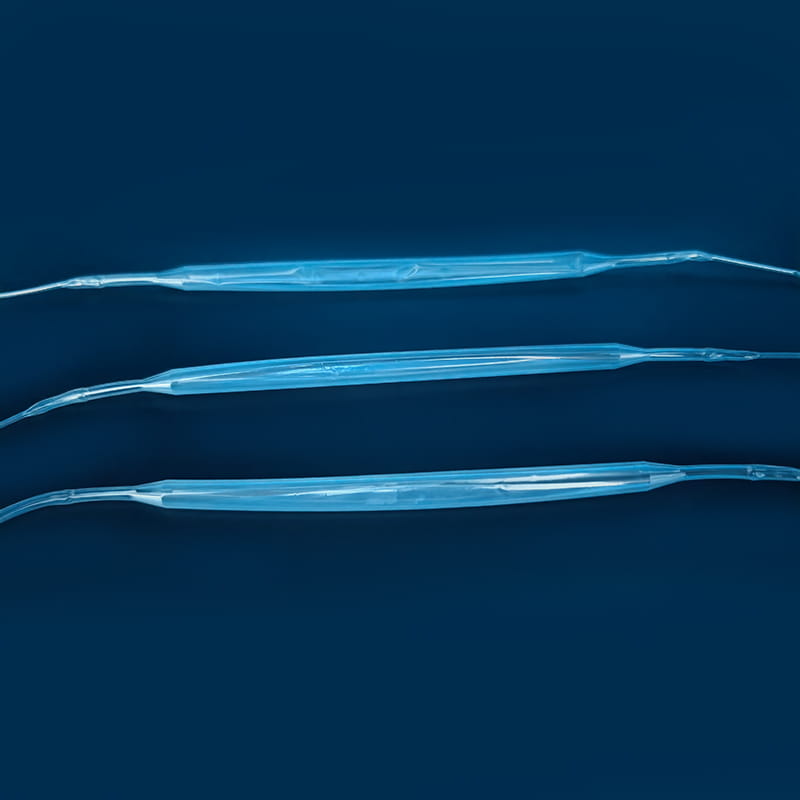
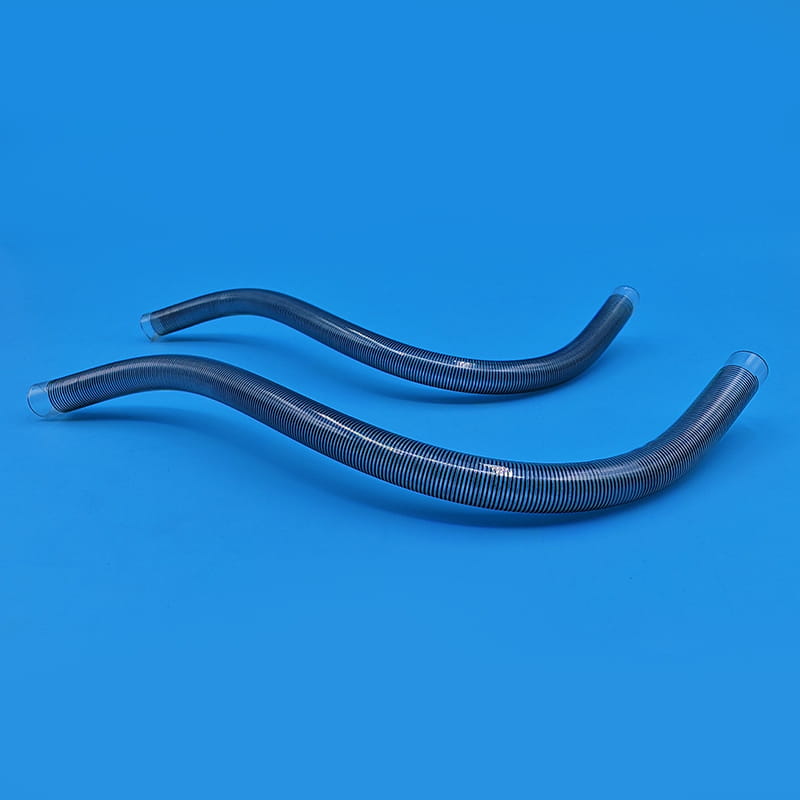
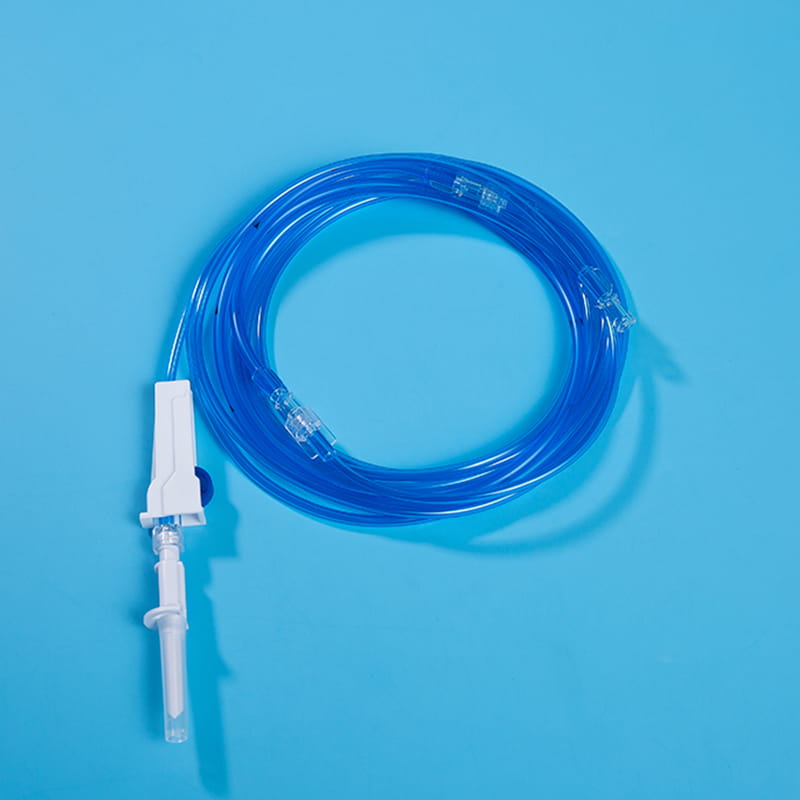
Medical catheters are flexible tubes inserted into the body for therapeutic or diagnostic purposes. They are commonly used in:
- Urinary drainage
- Intravenous therapy
- Cardiovascular interventions
- Gastrointestinal procedures
- Dialysis treatments
Their design varies depending on application, including differences in material, diameter, flexibility, and coating. While these variations improve functionality, they also introduce unique risk profiles.
Common Complications Associated with Medical Catheters
Although medical catheters are designed for safety and efficiency, complications can arise due to prolonged use, improper handling, or patient-specific factors.
Catheter-Associated Infections
Infections remain one of the significant risks. Microorganisms can enter the body during insertion or migrate along the catheter surface.
Common infection types include:
- Urinary tract infections (UTIs)
- Bloodstream infections
- Localized insertion-site infections
Factors contributing to infection risk:
- Poor aseptic technique
- Extended catheterization duration
- Biofilm formation on catheter surfaces
Thrombosis and Blood Clots
For vascular catheters, thrombosis is a critical concern. Blood clots may form around the catheter tip or along the vessel wall.
Potential consequences:
- Reduced catheter function
- Embolism risk
- Vessel damage
This complication is influenced by catheter material, placement location, and patient coagulation status.
Mechanical Complications
Mechanical issues often arise from improper insertion or device design limitations. These include:
- Catheter kinking or blockage
- Dislodgement or migration
- Breakage or leakage
Such complications can disrupt treatment and may require immediate replacement.
Tissue Damage and Irritation
Prolonged catheter use can irritation or injury to surrounding tissues.
Examples include:
- Urethral trauma in urinary catheterization
- Vascular wall damage in intravenous use
- Pressure-related ulcers
The risk increases with rigid materials or incorrect catheter sizing.
Allergic Reactions and Material Sensitivity
Some patients may react to catheter materials, especially latex or certain coatings.
Symptoms may include:
- Skin irritation
- Inflammation
- Systemic allergic responses
Material selection is therefore a critical factor in minimizing adverse reactions.
Overview of Key Risks and Their Causes
The following table summarizes major complications associated with medical catheters and their primary causes:
| Complication Type | Primary Cause | Impact Level | Prevention Focus |
|---|---|---|---|
| Infection | Bacterial contamination, biofilm | High | Sterile technique, hygiene |
| Thrombosis | Blood flow disruption, clot formation | High | Anticoagulant protocols |
| Mechanical Failure | Improper handling, material fatigue | Medium | Proper insertion and maintenance |
| Tissue Damage | Friction, pressure, prolonged use | Medium | Correct sizing and positioning |
| Allergic Reaction | Material incompatibility | Low-Medium | Hypoallergenic material selection |
Risk Factors That Increase Complication Rates
Certain conditions can significantly increase the likelihood of complications when using medical catheters:
Patient-Related Factors
- Advanced age
- Weakened immune system
- Chronic diseases
- Poor skin integrity
Device-Related Factors
- Material composition
- Surface coating
- Catheter diameter and length
Procedure-Related Factors
- Duration of catheterization
- Insertion technique
- Frequency of handling
Recognizing these variables allows for better risk assessment and management.
Prevention Strategies for Safer Catheter Use
Reducing complications requires a combination of proper technique, device selection, and ongoing monitoring.
Adherence to Sterile Protocols
Strict aseptic techniques during insertion and maintenance are essential to minimize infection risk.
Limiting Duration of Use
Catheters should be removed as soon as they are no longer clinically necessary to reduce exposure to potential complications.
Regular Monitoring and Maintenance
Routine inspection helps identify early signs of:
- Infection
- Blockage
- Displacement
Appropriate Material Selection
Choosing the right catheter material can reduce risks such as:
- Allergic reactions
- Biofilm formation
- Tissue irritation
Staff Training and Standardization
Consistent training ensures proper handling, insertion, and maintenance practices across healthcare settings.
Comparison of Catheter Types and Associated Risks
Different types of medical catheters present varying risk levels depending on their application:
| Catheter Type | Common Use Area | Key Risk | Risk Level |
|---|---|---|---|
| Urinary Catheters | Bladder drainage | Infection (UTIs) | High |
| Central Venous | Intravenous therapy | Bloodstream infection | High |
| Peripheral IV | Short-term infusion | Phlebitis | Medium |
| Dialysis Catheters | Renal treatment | Thrombosis, infection | High |
| Gastrointestinal | Feeding or drainage | Blockage, irritation | Medium |
Emerging Trends in Risk Reduction
Advancements in catheter technology are helping reduce complications:
- Antimicrobial coatings to prevent bacterial growth
- Improved biocompatible materials to reduce irritation
- Enhanced design structures to minimize mechanical failure
These innovations are reshaping the safety profile of medical catheters and supporting better patient outcomes.
Conclusion
Medical catheters are essential tools in healthcare, but their use comes with inherent risks that must be carefully managed. From infections and thrombosis to mechanical and material-related complications, each risk factor requires targeted prevention strategies.
By understanding the causes and implementing practices—such as proper hygiene, material selection, and regular monitoring—healthcare providers can significantly reduce complication rates.
FAQ
1. What is the common complication associated with medical catheters?
The common complication is infection, particularly catheter-associated infections caused by bacterial contamination during insertion or prolonged use.
2. How can catheter-related infections be prevented?
They can be minimized through strict sterile techniques, proper hand hygiene, and limiting the duration of catheter use.
3. Are certain patients more at risk of catheter complications?
Yes, patients with weakened immune systems, chronic illnesses, or prolonged catheter use are more susceptible to complications.
4. What materials are safest for medical catheters?
Biocompatible and hypoallergenic materials, such as silicone, are generally preferred to reduce irritation and allergic reactions.
5. When should a catheter be removed?
A catheter should be removed as soon as it is no longer medically necessary to reduce the risk of infection and other complications.
For more information, please call us at +86-18913710126 or email us at [email protected].
Polyimide tubing has become indispensable in modern medical device engineering. From minimally inv...
Understanding FEP Guidewire Protective Sheath Tubing Minimally invasive medical procedures have re...
A medical peristaltic pump tube is a specialized fluid transfer component designed for accurate, st...
The Evolution of Catheter Visualization Technology Minimally invasive procedures have fundamentally...
Understanding Medical Catheters in Modern Healthcare Medical devices have revolutionized patient ca...
A straight catheter reaches most of the airway, but the last centimeter into a tracheostomy branch...