
 English
  عربى
عربى  中文简体
中文简体  русский
  Français
  Deutsch
 How to Choose the Right Medical Peristaltic Pump Tube for Your Healthcare System?
Introduction
When selecting a medical peristaltic pump tube for your healthcare system, it’s essential to consider factors that ensure reliable performance, precision, and compatibility with various medical devices. These tubes are critical for accurately transferring fluids in applications such as drug delivery, blood collection, and dialysis.
Understanding Medical Peristaltic Pump Tubes
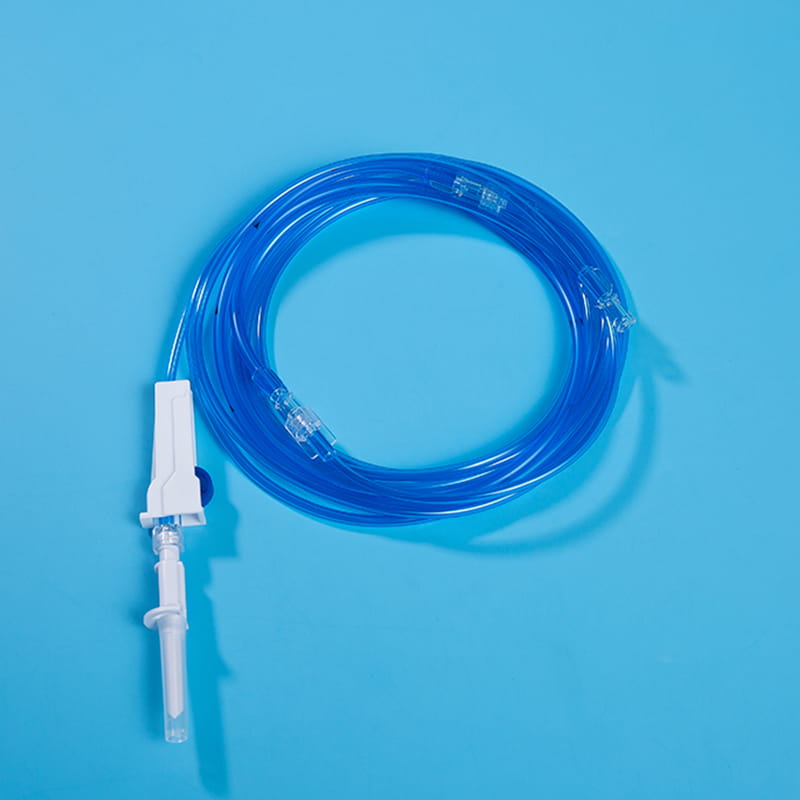
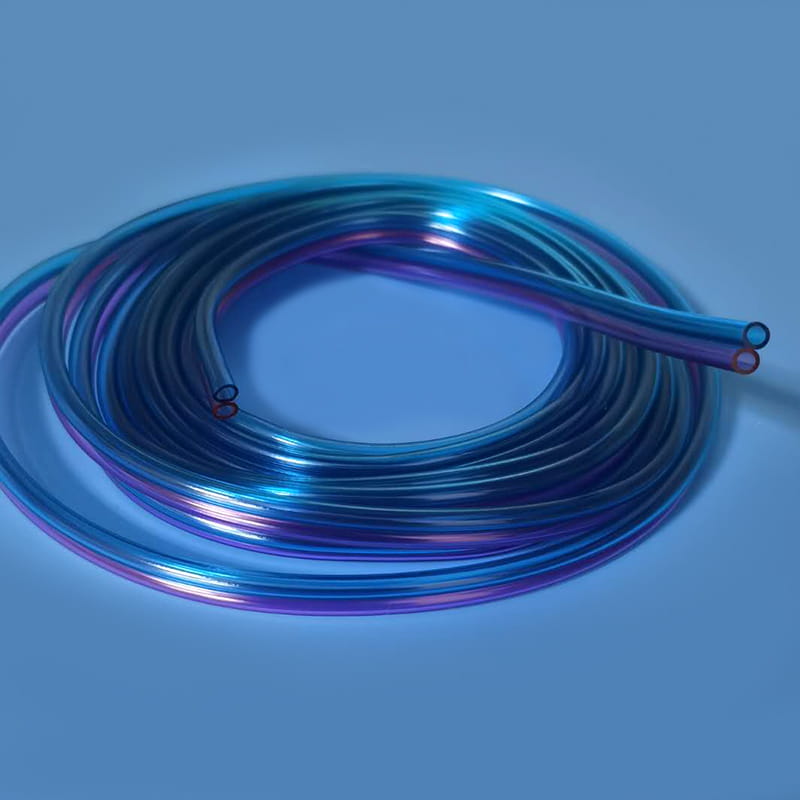
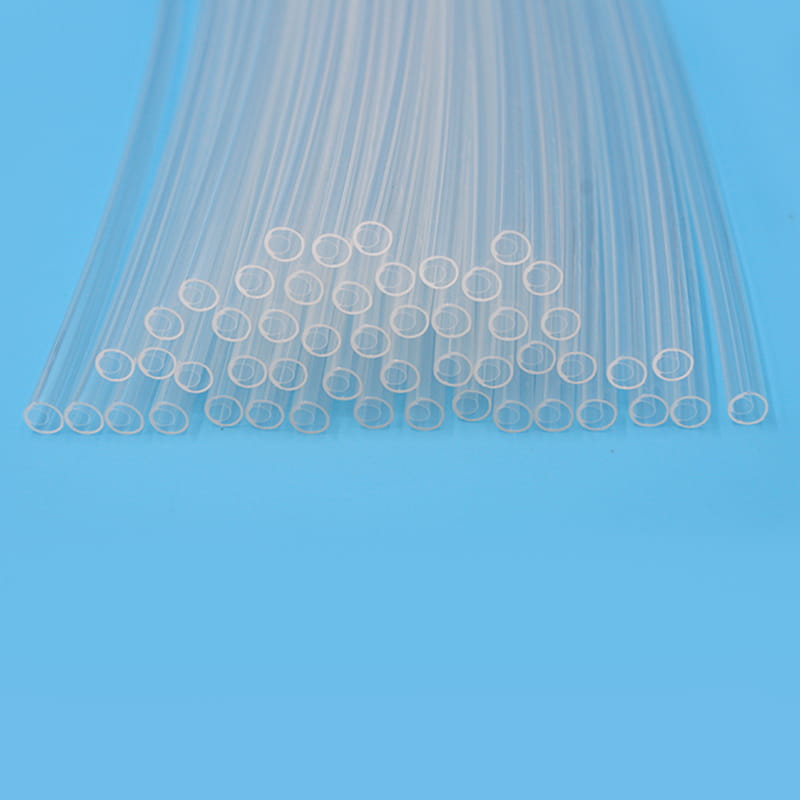
A medical peristaltic pump tube is a flexible tube used in peristaltic pumps, which are widely employed in medical systems to move fluids. Unlike traditional pumps, peristaltic pumps operate by squeezing the tube in a rhythm that mimics the natural motion of muscles, thus creating a smooth flow of fluids without contamination. Understanding the function and applications of these tubes is the step in making an informed selection.
Key Factors to Consider When Choosing Medical Peristaltic Pump Tubes
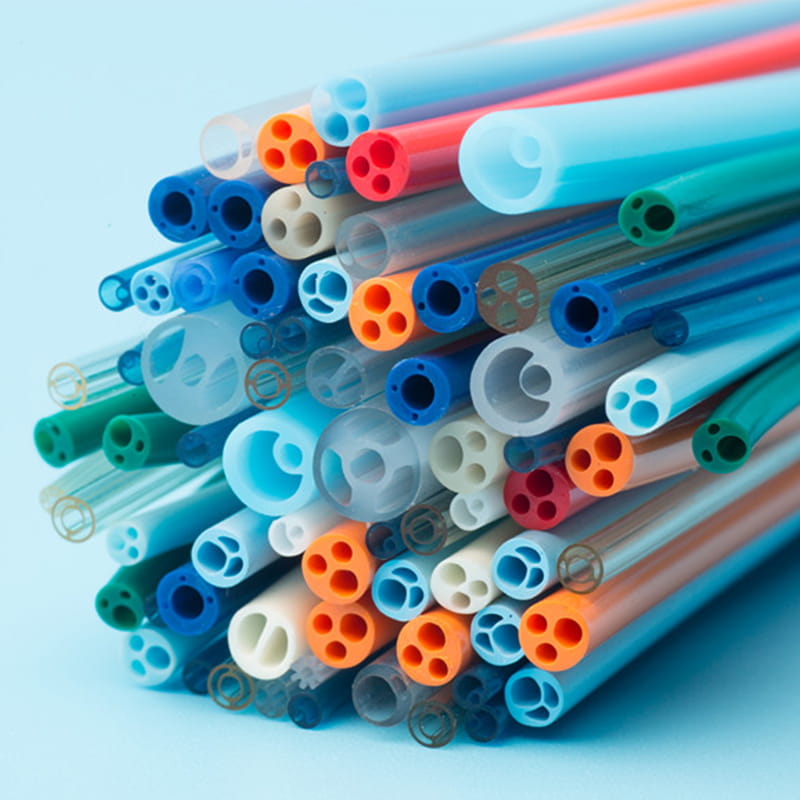
Selecting the right tube involves evaluating multiple factors, including material composition, tube size, wall thickness, and compatibility with the pump. Let’s break these down:
Material Composition
The material of the peristaltic pump tube is crucial for ensuring compatibility with the fluids being transported. The tube must be chemically resistant to prevent degradation from the fluid it pumps, such as pharmaceutical drugs or blood. Common materials include silicone, PVC, and polyurethane.
- Silicone: Highly biocompatible and durable for long-term use, often chosen for applications in blood dialysis and fluid transfer.
- PVC: A cost-effective option, ideal for applications that don’t involve prolonged contact with fluids.
- Polyurethane: Known for its flexibility and strength, making it suitable for applications requiring high-pressure handling.
Tube Size and Length
The tube size directly impacts the flow rate and efficiency of the pump. A tube that’s too large or too small can cause blockages or insufficient fluid transfer.
- Inner Diameter (ID): The inner diameter of the tube affects the flow rate. A larger ID allows for higher flow rates, while a smaller ID is more suitable for precise delivery of medications or fluids.
- Outer Diameter (OD): The outer diameter must match the peristaltic pump’s roller configuration for efficient operation.
The Role of Medical Precision Catheters in Fluid Delivery
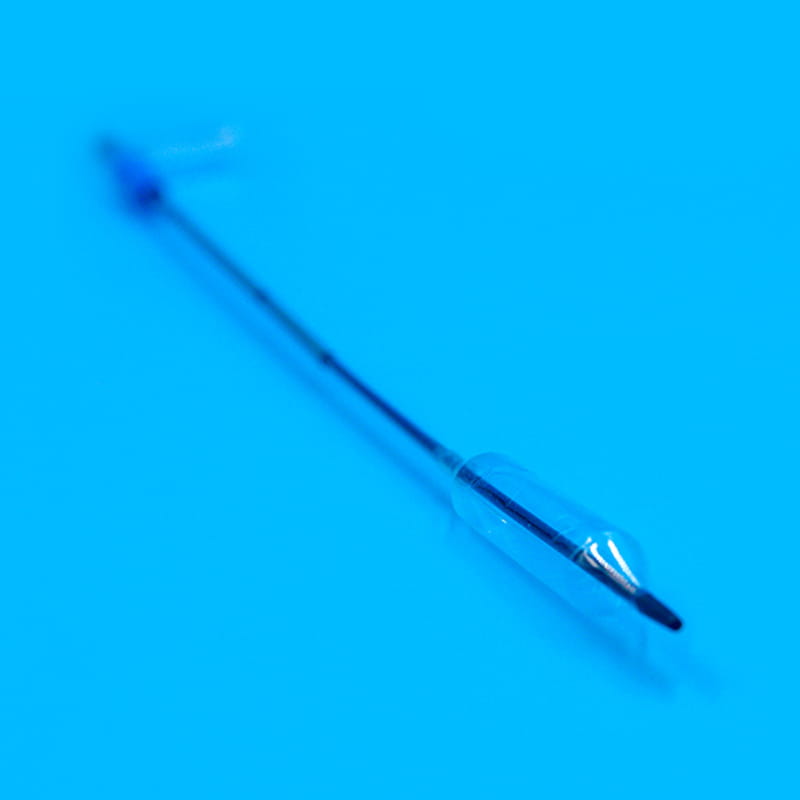
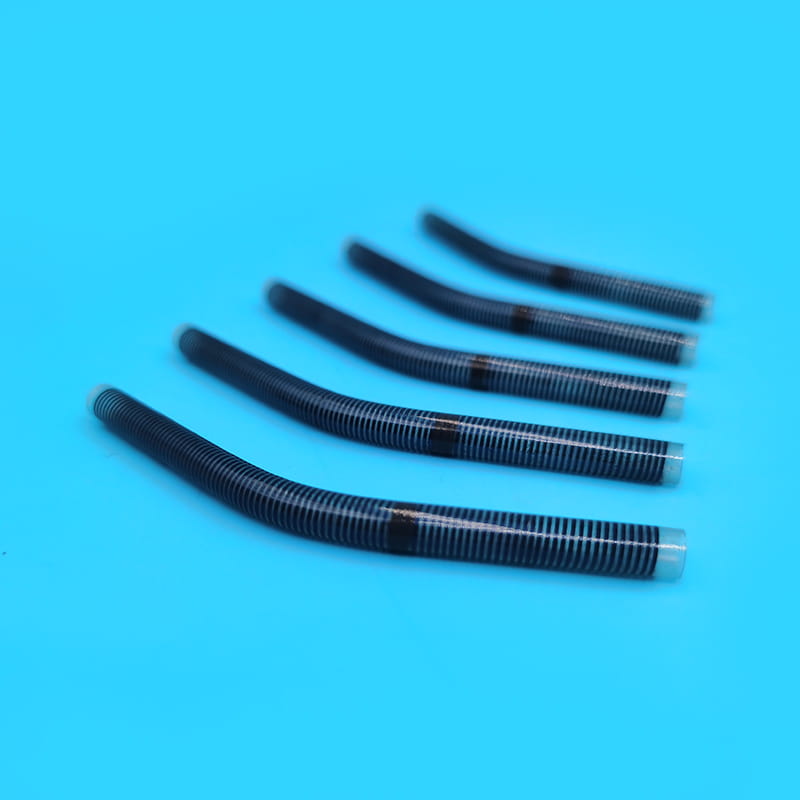
In addition to the peristaltic pump tubes, medical precision catheters are often used in conjunction with these tubes for more precise fluid delivery. These catheters offer enhanced control and are typically used in critical medical procedures such as intravenous (IV) therapy and catheterization. The catheter’s design, material, and diameter play a significant role in ensuring the safe delivery of fluids in sensitive environments.
Common Challenges in Selecting the Right Tube
Choosing the right medical peristaltic pump tube can sometimes be challenging due to various constraints, such as:
- Compatibility with Fluids: Some fluids, like certain drugs or blood, require specific tube materials to avoid degradation or contamination.
- Pressure Resistance: If the system needs to handle high-pressure fluids, tubes made from stronger materials such as polyurethane or reinforced silicone are necessary.
- Cost Considerations: While higher-quality materials may offer better durability and performance, they come at a higher price. Balancing cost with performance is essential for healthcare providers.
Choosing Tubes for Different Medical Applications
The type of medical procedure or system the pump will be used in is a significant determinant of the tube choice. Here are some common applications and considerations:
- Drug Delivery Systems: Tubes used in these systems must be biocompatible and resistant to chemical interactions with the drugs being delivered.
- Blood Circulation Systems: Blood contact requires the standards of safety and biocompatibility. Silicone and polyurethane are common choices for these systems.
- Dialysis: Tubes for dialysis must be durable, resistant to chemical degradation, and designed for extended use in high-stress environments.
Tips for Maintaining and Replacing Medical Peristaltic Pump Tubes
Maintenance is essential for ensuring the longevity and reliability of your medical peristaltic pump tubes. Here are a few tips:
- Regular Inspections: Check the tubes for signs of wear, cracks, or discoloration, which can indicate chemical degradation or potential failure.
- Cleaning Protocols: Some tubes require specific cleaning procedures to prevent blockages or contamination. Follow manufacturer guidelines.
- Replacement: Always replace tubes before their expected lifespan ends to avoid the risk of failure, especially in critical medical applications.
Comparison of Common Medical Peristaltic Pump Tube Materials
| Material | Durability | Flexibility | Biocompatibility | Best Use Case |
|---|---|---|---|---|
| Silicone | High | Moderate | Excellent | Blood transfusion, drug delivery |
| PVC | Moderate | Moderate | Fair | General fluid transfer |
| Polyurethane | Very High | High | Good | High-pressure fluid systems |
Conclusion
Choosing the right medical peristaltic pump tube is vital for ensuring smooth, safe, and efficient fluid transfer in a healthcare system. Factors like material composition, size, and application-specific requirements must all be taken into account. By carefully considering these elements and maintaining the system properly, healthcare providers can ensure the safety and effectiveness of medical treatments.
FAQ
1. What is the material for medical peristaltic pump tubes?
Silicone is often considered the due to its biocompatibility and durability. However, PVC and polyurethane may be better options for cost-effective or high-pressure applications.
2. How do I choose the right tube size for my pump?
The inner diameter of the tube should match the desired flow rate, while the outer diameter must be compatible with the pump rollers.
3. Can medical peristaltic pump tubes be used for high-pressure systems?
Yes, materials like polyurethane are ideal for systems that need to handle high pressure.
4. How often should medical peristaltic pump tubes be replaced?
The replacement schedule depends on the usage and type of fluid being pumped, but they should be inspected regularly and replaced if signs of wear are present.
For more information, please call us at +86-18913710126 or email us at [email protected].
Medical intervention in complex anatomical pathways demands precision, flexibility, and reliability...
What Is a Pressure Extension Tube and Why It Matters in Clinical Practice A pressure extension tube...
Polyimide tubing has become indispensable in modern medical device engineering. From minimally inv...
Understanding FEP Guidewire Protective Sheath Tubing Minimally invasive medical procedures have re...
A medical peristaltic pump tube is a specialized fluid transfer component designed for accurate, st...
The Evolution of Catheter Visualization Technology Minimally invasive procedures have fundamentally...