
 English
  عربى
عربى  中文简体
中文简体  русский
  Français
  Deutsch
 What Are the Key Advantages of Using TPU Reducer Tubes in Fluid Transfer Systems?
Introduction
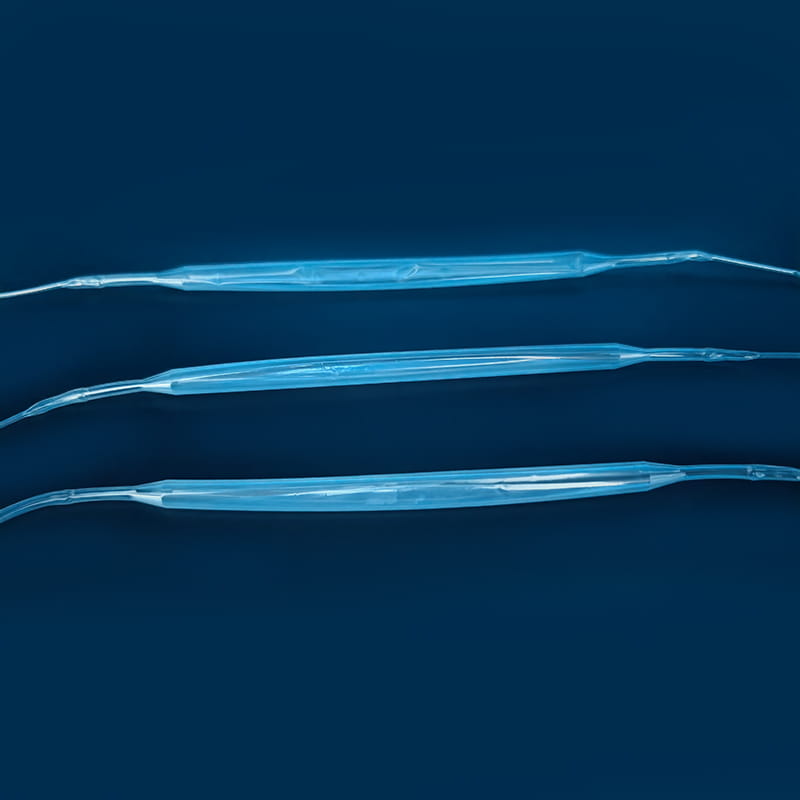
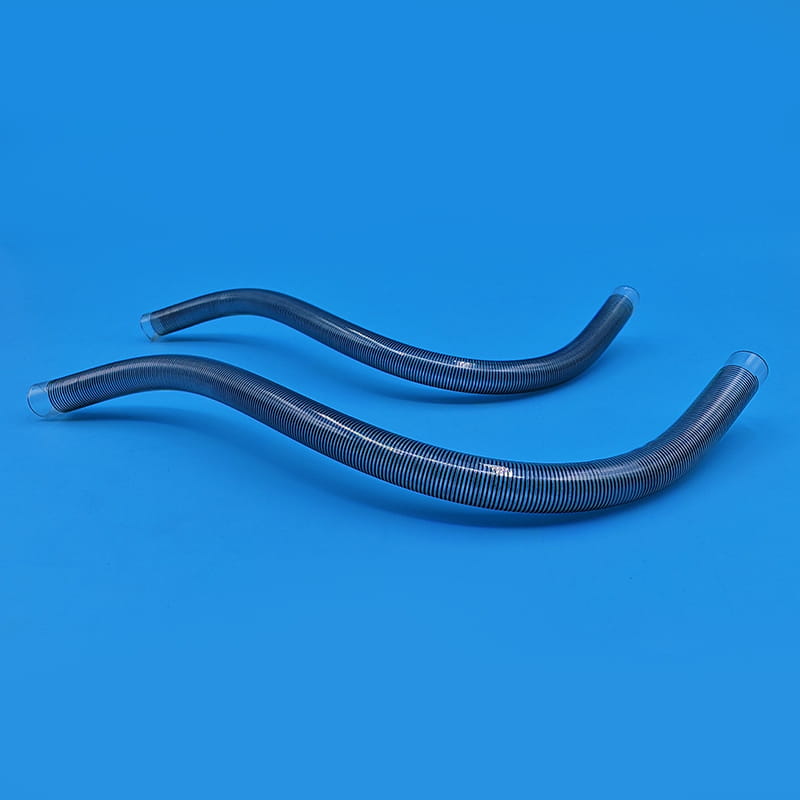
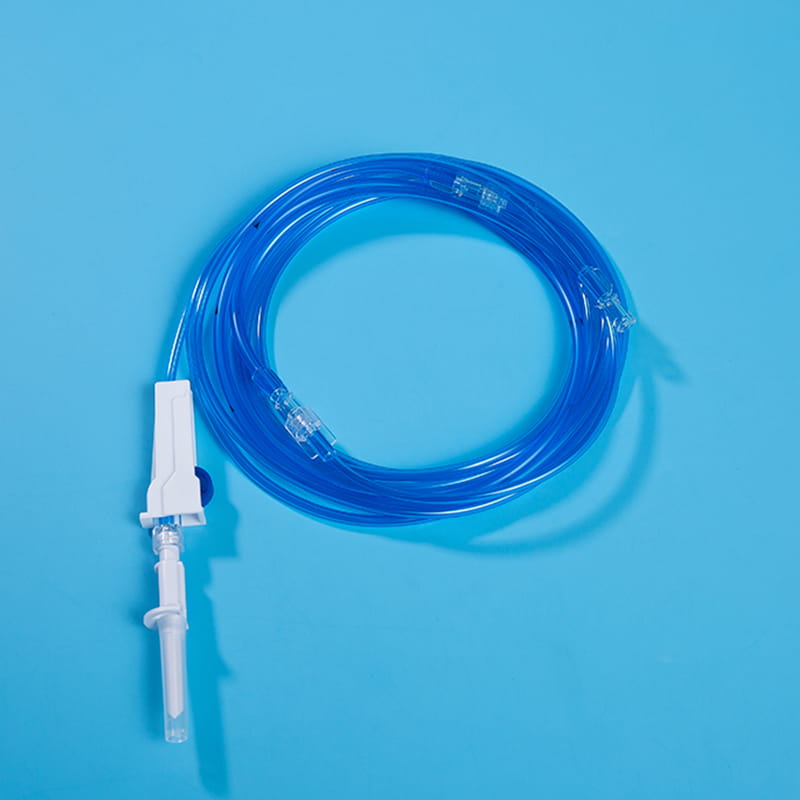
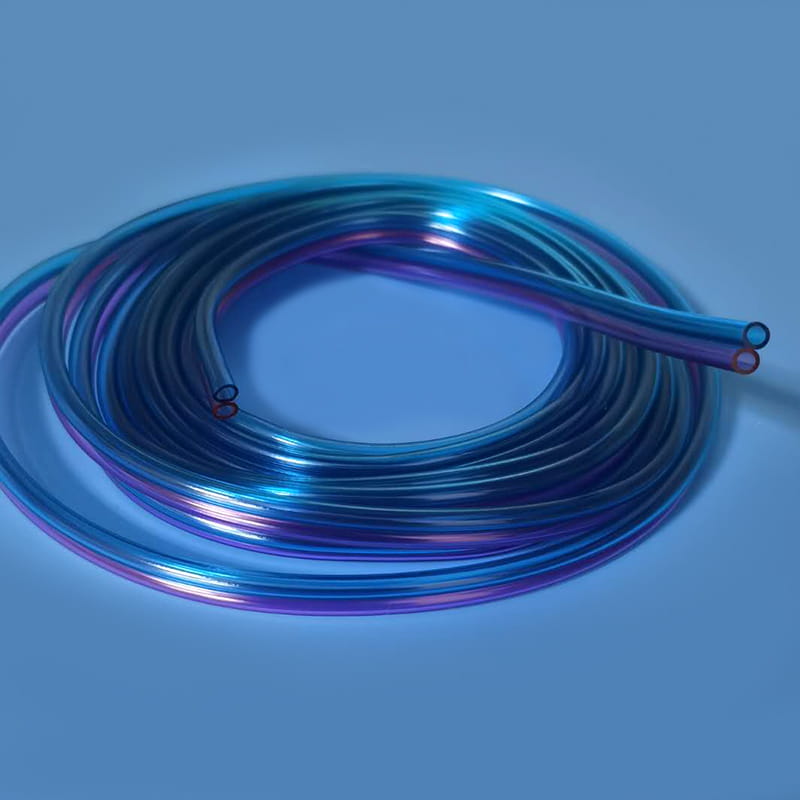
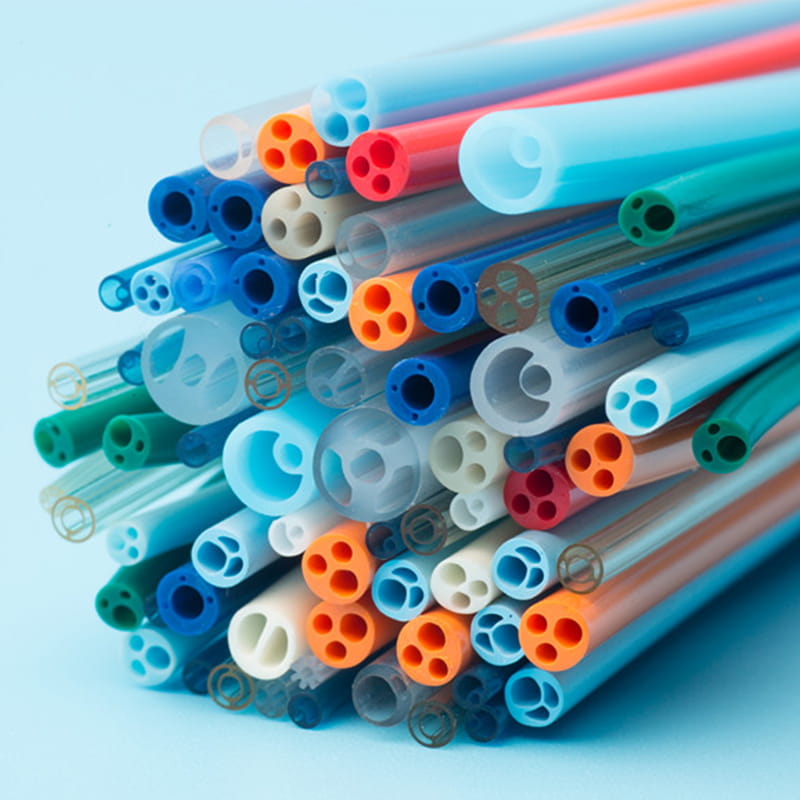
The TPU Reducer Tube (Thermoplastic Polyurethane Reducer Tube) is a versatile and high-performance tubing that is becoming increasingly essential in multiple industries, especially in fluid transfer systems, medical devices, automotive manufacturing, and more. As a novel tubing material, the TPU reducer tube offers physical properties, chemical resistance, and flexibility, making it an indispensable component in both industrial and medical fields.
Key Features of TPU Reducer Tube
Thermoplastic Polyurethane (TPU) is a high-performance polymer material known for its outstanding abrasion resistance, chemical resistance, temperature stability, and flexibility and toughness. These characteristics are fully leveraged in the TPU reducer tube, making it an ideal choice for high-performance applications across various industries. Below are the core features of the TPU reducer tube:
-
Abrasion Resistance
TPU’s exceptional abrasion resistance ensures that TPU reducer tubes maintain a long lifespan even in high-flow, high-pressure, and high-frequency operational environments. This makes them ideal for fluid transfer systems and automated machinery, particularly in systems requiring frequent fluid or air flow transitions. -
Chemical Resistance
TPU reducer tubes exhibit resistance to various chemicals, including strong acids, alkalis, and other corrosive substances. This property is especially critical in the medical field, where TPU tubing is used for transferring drugs, nutrients, and other bio-fluids, minimizing the risk of chemical degradation. -
High Flexibility and Fatigue Resistance
The flexibility of TPU allows TPU reducer tubes to bend without cracking, making them ideal for complex routing and confined spaces. This feature is particularly important in medical devices and industrial machinery, enabling efficient operation in complex environments. -
Transparency
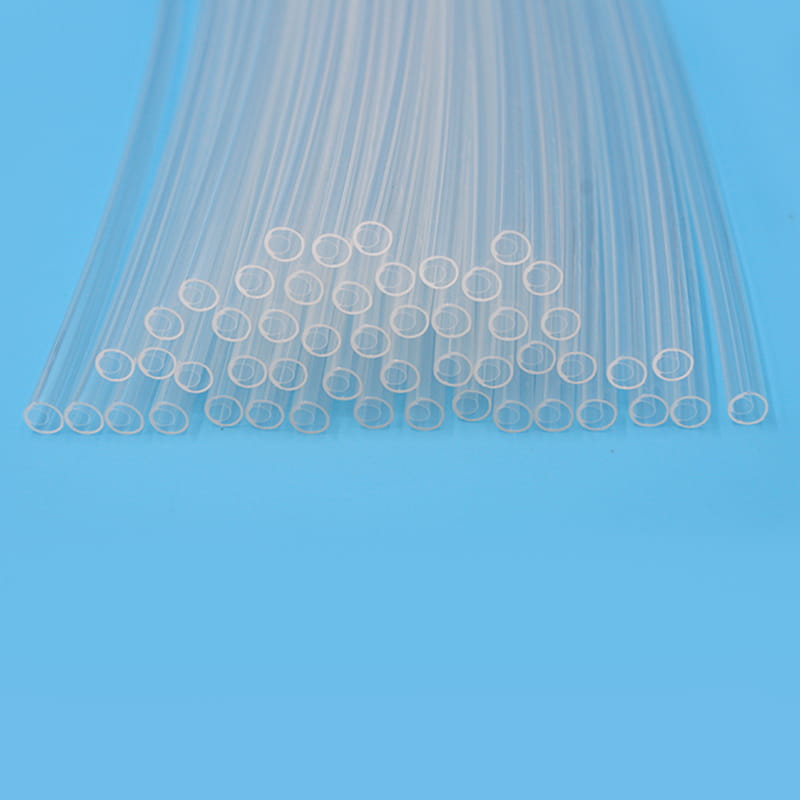
TPU material inherently offers a degree of transparency, which is crucial for applications requiring visual monitoring. In medical devices such as catheters, transparency allows healthcare providers to monitor fluid flow within the tube, ensuring the safety of the treatment process. -
Biocompatibility
TPU’s biocompatibility makes it an ideal material for use in medical catheters. It is non-toxic, non-irritating, and exhibits low allergic reactions, making it suitable for direct contact with the human body in medical applications.
Application of TPU Reducer Tube in the Medical Field
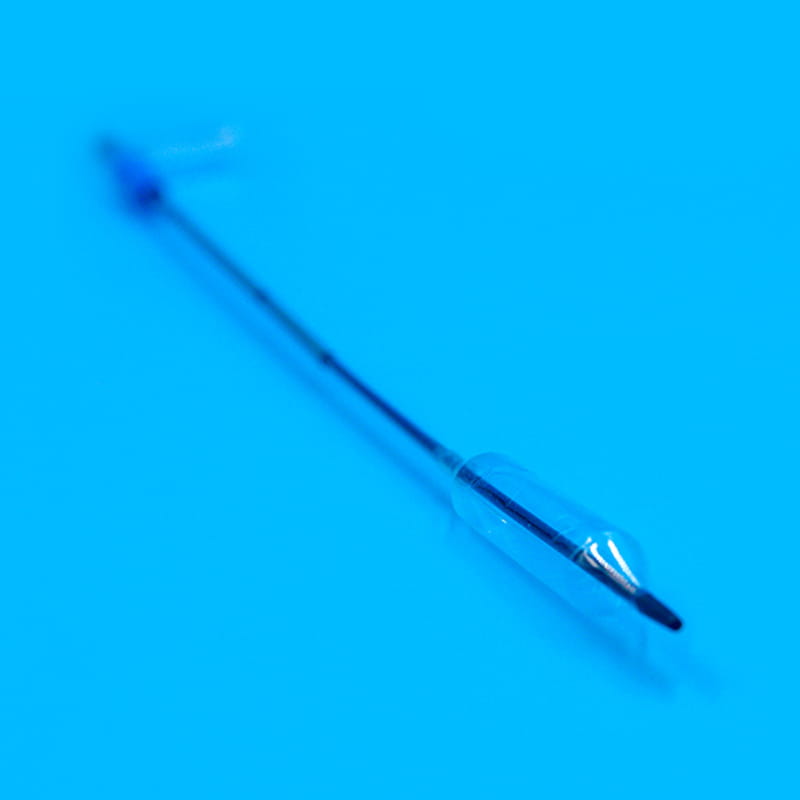
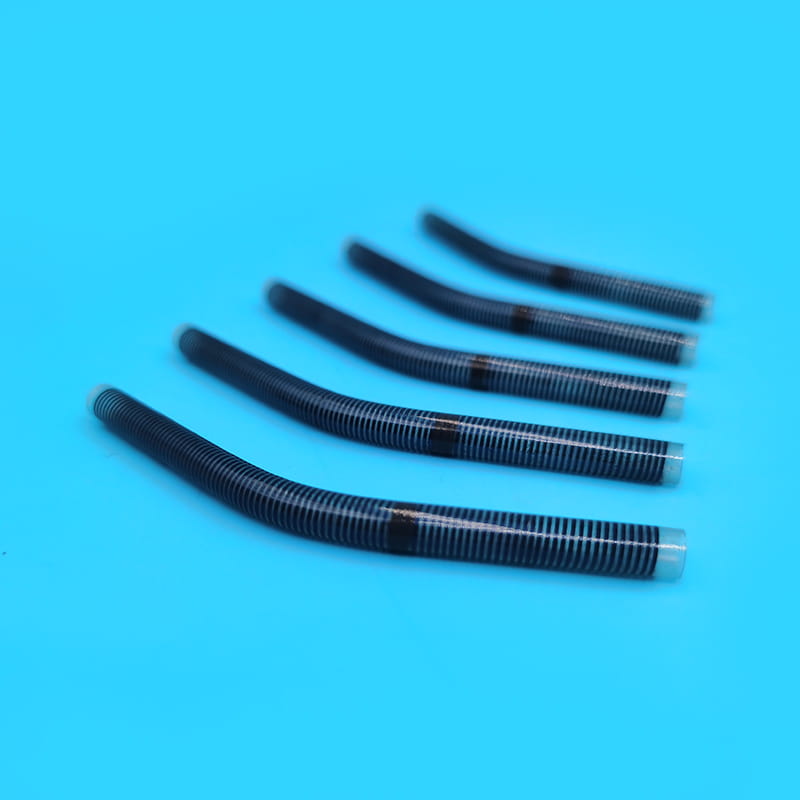
One of the significant applications of TPU reducer tube is in the medical catheter industry. Medical catheters are tubes used for delivering fluids, drugs, or other medical substances, and they require high biocompatibility, flexibility, and reliability. TPU material excels in meeting these requirements. Here are some key benefits of TPU reducer tubes in medical catheters:
-
Enhanced Fluid Delivery Efficiency
In catheter systems, fluid delivery efficiency is crucial for the success of treatments. TPU reducer tubes, with their precise inner diameters and flow-guiding design, enhance fluid delivery efficiency, ensuring that patients receive accurate and consistent treatment. -
Reduced Infection Risk
The low surface energy and antimicrobial properties of TPU tubes significantly reduce bacterial buildup, thus lowering the risk of infections. Additionally, the transparency of TPU tubing allows healthcare professionals to visually monitor fluid flow, improving patient safety. -
High Temperature and Drug Resistance
Medical devices often handle fluids and drugs at elevated temperatures. TPU reducer tubes are highly resistant to thermal degradation and can safely operate in high-temperature environments, making them a choice for drug delivery systems.
Application of TPU Reducer Tube in the Industrial Field
In industrial settings, TPU reducer tubes are just as critical, especially in high-flow and high-pressure fluid transmission systems. Their ability to withstand high-pressure conditions, combined with flexibility, makes them ideal for various industrial applications. Below are some key characteristics and roles of TPU reducer tubes in industrial applications:
-
High-Pressure and Temperature Resistance
In many industrial environments, fluid and gas transfer systems need to operate under high-pressure conditions. TPU reducer tubes can withstand pressures exceeding 20 MPa and can operate in temperatures ranging from -40°C to 125°C, making them suitable for demanding industrial applications such as energy, automotive, and chemical industries. -
Adaptability to Complex Work Environments
TPU reducer tubes’ flexibility allows them to adapt to intricate and confined spaces. In environments with complex routing and tight spaces, TPU tubes can be easily installed and provide performance, helping to improve system efficiency. -
Energy Efficiency and Environmental Benefits
Due to their high flow efficiency, TPU reducer tubes reduce energy consumption in fluid or air transport systems. This characteristic helps reduce operational costs and aligns with modern industrial demands for energy-efficient and environmentally friendly materials.
Product Specifications Table: TPU Reducer Tube
| Feature | Description |
|---|---|
| Material | Thermoplastic Polyurethane (TPU) |
| Temperature Range | -40°C to 125°C |
| Pressure Resistance | Above 20 MPa |
| Flexibility | Highly flexible, suitable for complex routing |
| Biocompatibility | Complies with biocompatibility standards |
| Chemical Resistance | Resistant to a wide range of chemicals and solvents |
| Transparency | Optional transparency for fluid monitoring |
| Applications | Medical catheters, fluid transfer systems, industrial machinery |
FAQ
1. What industries use TPU reducer tubes?
TPU reducer tubes are widely used in industries such as fluid transfer, automotive manufacturing, chemical processing, and medical devices. They are especially suited for applications requiring high flexibility, chemical resistance, and pressure tolerance.
2. What are the advantages of TPU reducer tubes compared to traditional tubing?
Compared to traditional materials like metal or standard plastics, TPU reducer tubes offer abrasion resistance, chemical resilience, flexibility, and a longer service life, making them ideal for high-flow and high-pressure applications.
3. Can TPU reducer tubes be used in high-temperature environments?
Yes, TPU reducer tubes are highly resistant to temperature extremes, capable of operating within a temperature range from -40°C to 125°C, making them suitable for high-temperature fluid transfer and gas transmission systems.
4. What are the medical applications of TPU reducer tubes?
In the medical field, TPU reducer tubes are primarily used in medical catheters, where they provide precise fluid delivery, high biocompatibility, and durability. They are ideal for applications where fluid control and safety are critical.
5. Are TPU reducer tubes environmentally friendly?
Yes, TPU materials are recyclable and biodegradable, making TPU reducer tubes an environmentally friendly option for fluid and gas transfer applications, especially in industries looking for sustainable materials.
For more information, please call us at +86-18913710126 or email us at [email protected].
Medical intervention in complex anatomical pathways demands precision, flexibility, and reliability...
What Is a Pressure Extension Tube and Why It Matters in Clinical Practice A pressure extension tube...
Polyimide tubing has become indispensable in modern medical device engineering. From minimally inv...
Understanding FEP Guidewire Protective Sheath Tubing Minimally invasive medical procedures have re...
A medical peristaltic pump tube is a specialized fluid transfer component designed for accurate, st...
The Evolution of Catheter Visualization Technology Minimally invasive procedures have fundamentally...