
 English
  عربى
عربى  中文简体
中文简体  русский
  Français
  Deutsch
 What Is a Medical Balloon Catheter and How Does It Work?
A medical balloon catheter is a sophisticated medical device designed to perform a variety of procedures involving the dilation of blood vessels, urethra, or other narrow passageways within the body. These catheters have become essential tools in modern medicine, providing minimally invasive options for doctors to treat conditions such as blocked arteries, stenosis, and other vascular diseases.
Understanding the Medical Balloon Catheter
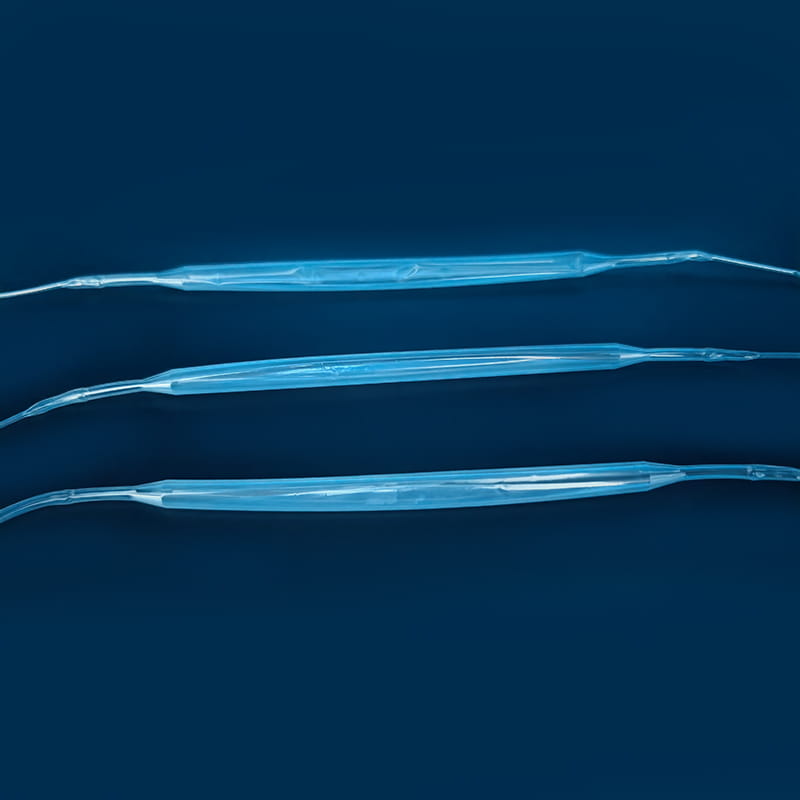
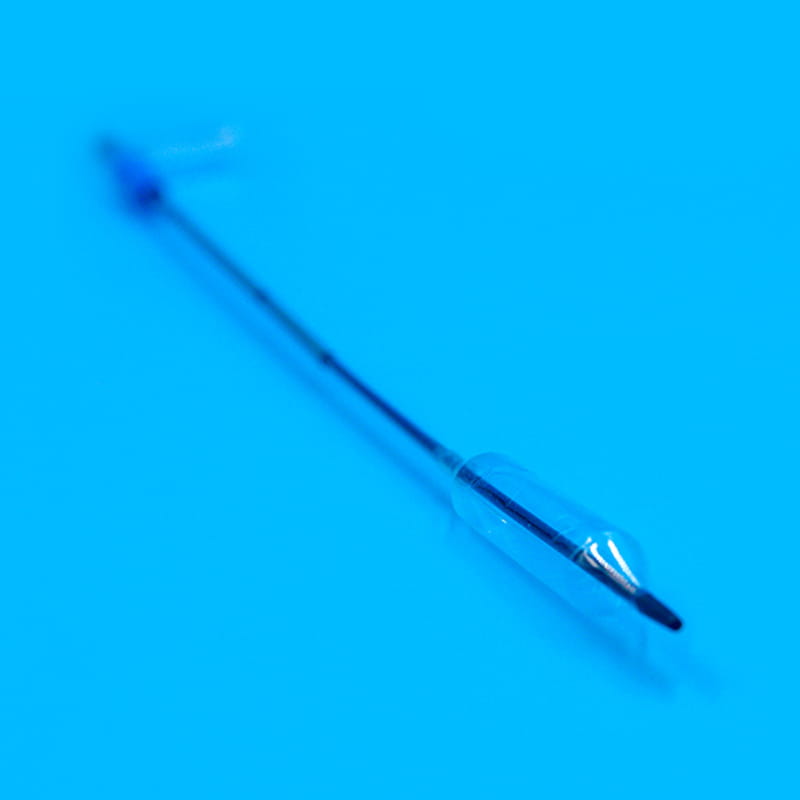
A medical balloon catheter consists of a small, flexible tube with a balloon at its tip. The balloon, typically made from a biocompatible material such as nylon or polyurethane, can be inflated to a precise size once inserted into the body. The primary function of the balloon is to dilate or widen the narrowed or blocked passageway. This inflation helps restore proper blood flow, remove obstructions, or assist in other therapeutic procedures. Medical balloon catheters are commonly used in procedures like angioplasty, urethral dilation, and endoscopic treatments.
Components of a Medical Balloon Catheter:
| Component | Description |
|---|---|
| Catheter Tube | A long, flexible tube that carries the balloon to the target area. It is designed for ease of insertion and movement within the body. |
| Balloon | The inflatable component that can be expanded to compress or dilate the targeted tissue or passageway. |
| Guide Wire | A small, flexible wire that helps guide the catheter into the correct location within the body. |
| Inflation Port | A port where fluid (usually saline or contrast solution) is introduced to inflate the balloon. |
| Balloon Shaft | The part of the catheter that connects the balloon to the catheter tube and ensures smooth inflation. |
How Does a Medical Balloon Catheter Work?
The primary mechanism behind a medical balloon catheter is its ability to expand and exert pressure on the walls of the targeted vessel or passageway. Here’s how the process typically works:
-
Insertion: The catheter, with its deflated balloon, is inserted into the body using a minimally invasive technique. In many cases, a guide wire is used to help navigate the catheter to the correct location, such as a narrowed artery.
-
Balloon Inflation: Once the catheter reaches the affected area, the balloon is inflated using a sterile liquid. The inflation process pushes against the tissue walls, gradually expanding the passageway.
-
Treatment: The inflation of the balloon helps in various ways, such as compressing fatty plaques in arteries, stretching narrowed areas, or dislodging clots.
-
Deflation and Removal: After the procedure is completed, the balloon is deflated, and the catheter is carefully removed from the body.
Applications of Medical Balloon Catheters
Medical balloon catheters are used in a wide range of medical procedures across different specialties, especially in cardiovascular, urology, and gastroenterology. Some of the common applications include:
Coronary Angioplasty
One of the well-known uses of medical balloon catheters is in coronary angioplasty, a procedure designed to treat blocked or narrowed coronary arteries. The balloon catheter is inserted into the artery and inflated at the site of the blockage. This helps restore normal blood flow to the heart and can significantly reduce the need for invasive surgery.
Urethral Dilation
Urethral stricture, where the urethra becomes narrowed, can cause significant discomfort and complications. Medical balloon catheters are used in urethral dilation procedures to stretch the narrowed urethra and restore normal urinary flow.
Endoscopic Procedures
In endoscopy, balloon catheters are used to dilate narrow passages in the digestive or respiratory systems. This can be critical for procedures like endoscopic dilation of esophageal strictures, opening up the airways, or restoring digestive tract flow.
Peripheral Artery Disease (PAD) Treatment
Peripheral artery disease often involves the narrowing of blood vessels in the legs. Balloon catheters are used to perform angioplasty in the peripheral arteries, improving circulation and preventing limb loss in severe cases.
Biliary Dilation
In some cases, the bile ducts may become blocked due to stones, strictures, or other conditions. Balloon catheters are employed to dilate the bile ducts and restore bile flow, often in conjunction with stent placement.
Types of Medical Balloon Catheters
Not all medical balloon catheters are identical, and different types are designed for specific uses. The key variations are in the design of the balloon, the material of the catheter, and the intended procedure.
Plain Balloon Catheters
These catheters have a simple design and are primarily used for dilation of blocked or narrowed arteries, veins, or other passageways. They are widely used in procedures like angioplasty.
Drug-Eluting Balloon Catheters
Drug-eluting balloon catheters are equipped with a coating of medication on the balloon surface. Upon inflation, the drug is released into the surrounding tissue to prevent the recurrence of blockages and to promote healing. These are especially useful in coronary and peripheral artery procedures.
Scoring Balloon Catheters
Scoring balloons are designed with tiny, sharp blades on the balloon surface. These blades help score or cut through tissue as the balloon inflates, making them effective for dealing with more rigid blockages, such as calcified plaques in arteries.
Non-compliant vs. Compliant Balloons
- Non-compliant Balloons are designed to maintain a specific size and are used for precise dilation where the balloon must remain firm.
- Compliant Balloons can stretch more and are used when a larger dilation is needed, such as in arterial interventions.
Manufacturing Process of Medical Balloon Catheters
The manufacturing of medical balloon catheters involves high precision and the use of advanced materials. Medical balloon catheters must meet stringent quality and safety standards to ensure they function effectively and safely inside the human body.
Material Selection
The materials used in manufacturing medical balloon catheters must be biocompatible, meaning they do not cause harmful reactions when in contact with the human body. Common materials include polyurethane, nylon, and polyethylene terephthalate (PET). The selection of the appropriate material depends on factors such as flexibility, strength, and the intended medical application.
Balloon Formation
The balloon is typically formed by a process known as “balloon molding” or “blow molding.” During this process, the balloon material is heated and inflated to the desired size. The balloon’s design must be strong enough to withstand the inflation pressures without bursting, yet flexible enough to conform to the shape of the passageway.
Catheter Assembly
After the balloon is formed, it is attached to the catheter shaft. The catheter assembly process requires precise alignment to ensure smooth delivery and inflation of the balloon inside the body.
Sterilization and Packaging
Once the catheter is fully assembled, it undergoes sterilization processes such as gamma radiation or ethylene oxide sterilization to ensure it is free of bacteria and viruses. The product is then packaged in sterile conditions to maintain its safety and effectiveness until use.
Quality Control
Medical balloon catheters are subject to rigorous quality control checks. These tests ensure that each catheter meets medical device regulations and functions properly. Tests may include pressure tests, balloon expansion tests, and compatibility assessments.
Choosing a Medical Balloon Catheter
When selecting a medical balloon catheter, several factors must be considered to ensure treatment outcomes. These factors include:
- Procedure Type: The catheter chosen must be suitable for the intended medical procedure, such as angioplasty, urethral dilation, or endoscopy.
- Balloon Size and Compliance: Depending on the procedure, the catheter may require a non-compliant or compliant balloon, and the size must match the target area.
- Material and Durability: The catheter should be made of high-quality, durable materials that can withstand inflation pressures and resist breakage.
- Cost and Availability: The cost of the medical balloon catheter and the availability of a reliable supplier, such as a reputable medical balloon catheter factory, are important considerations.
FAQ
1. What are the main uses of a medical balloon catheter?
Medical balloon catheters are used in a wide variety of procedures, including coronary angioplasty, urethral dilation, endoscopic interventions, and peripheral artery disease treatment. They are designed to widen or restore flow in narrowed or blocked passageways.
2. How does a balloon catheter work in angioplasty?
In angioplasty, the balloon catheter is inserted into the narrowed artery and inflated to compress fatty plaques and widen the vessel. This restores normal blood flow and helps reduce the risk of heart attack or other cardiovascular events.
3. Can balloon catheters be used for non-vascular procedures?
Yes, medical balloon catheters are used in non-vascular applications, such as urethral dilation for treating urinary strictures or bile duct dilation for addressing blockages in the digestive system.
4. What materials are commonly used in the manufacturing of balloon catheters?
Common materials include polyurethane (PU), nylon (PA), and polyethylene terephthalate (PET). These materials are selected for their biocompatibility, flexibility, and resistance to high pressure.
5. How are balloon catheters sterilized before use?
Balloon catheters are typically sterilized using methods like gamma radiation, ethylene oxide gas sterilization, or steam, ensuring they are free of pathogens before being used in medical procedures.
For more information, please call us at +86-18913710126 or email us at [email protected].
Medical intervention in complex anatomical pathways demands precision, flexibility, and reliability...
What Is a Pressure Extension Tube and Why It Matters in Clinical Practice A pressure extension tube...
Polyimide tubing has become indispensable in modern medical device engineering. From minimally inv...
Understanding FEP Guidewire Protective Sheath Tubing Minimally invasive medical procedures have re...
A medical peristaltic pump tube is a specialized fluid transfer component designed for accurate, st...
The Evolution of Catheter Visualization Technology Minimally invasive procedures have fundamentally...