
 English
  عربى
عربى  中文简体
中文简体  русский
  Français
  Deutsch
 How to Choose the Right Medical TPU Tube for Your Healthcare Needs?
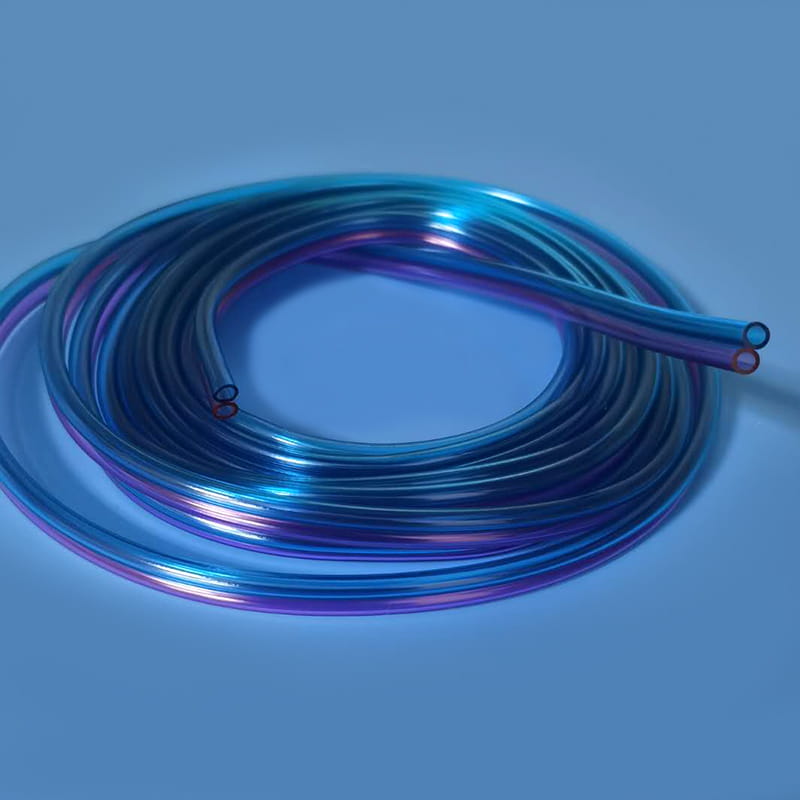
The medical industry is increasingly relying on advanced materials for various applications, and one such material gaining widespread attention is thermoplastic polyurethane (TPU). TPU tubes are an essential part of healthcare devices, offering unparalleled flexibility, strength, and biocompatibility. However, selecting the right TPU tube can be challenging due to the wide variety of options available.
What is TPU and Why is it Important in Healthcare?
Thermoplastic polyurethane (TPU) is a versatile polymer made from the combination of hard and soft segments, giving it a unique combination of elasticity, transparency, and toughness. TPU is increasingly preferred in healthcare applications due to its properties:
- Biocompatibility: TPU is safe for long-term contact with human tissues and fluids, making it ideal for medical devices like catheters, tubes, and drainage systems.
- Flexibility: TPU tubes can be bent and shaped without compromising strength or integrity, offering ease of use in various medical procedures.
- Durability: TPU is resistant to abrasion and wear, ensuring long-lasting performance in medical settings.
- Chemical Resistance: TPU tubes can withstand exposure to various chemicals, disinfectants, and fluids commonly encountered in healthcare environments.
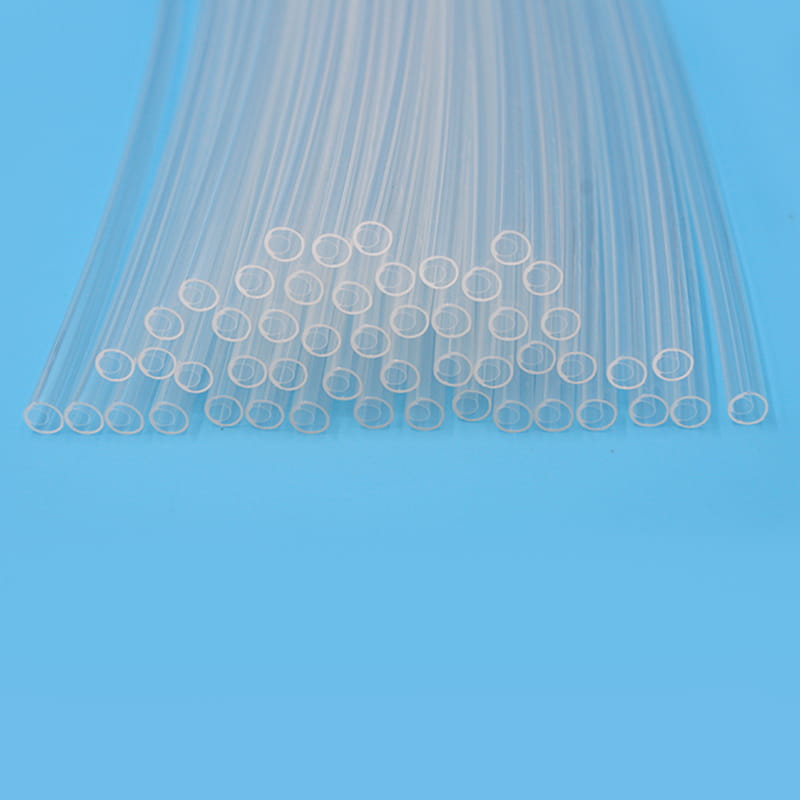
- Transparency: TPU tubes often have clarity, allowing healthcare professionals to easily monitor the flow of fluids.
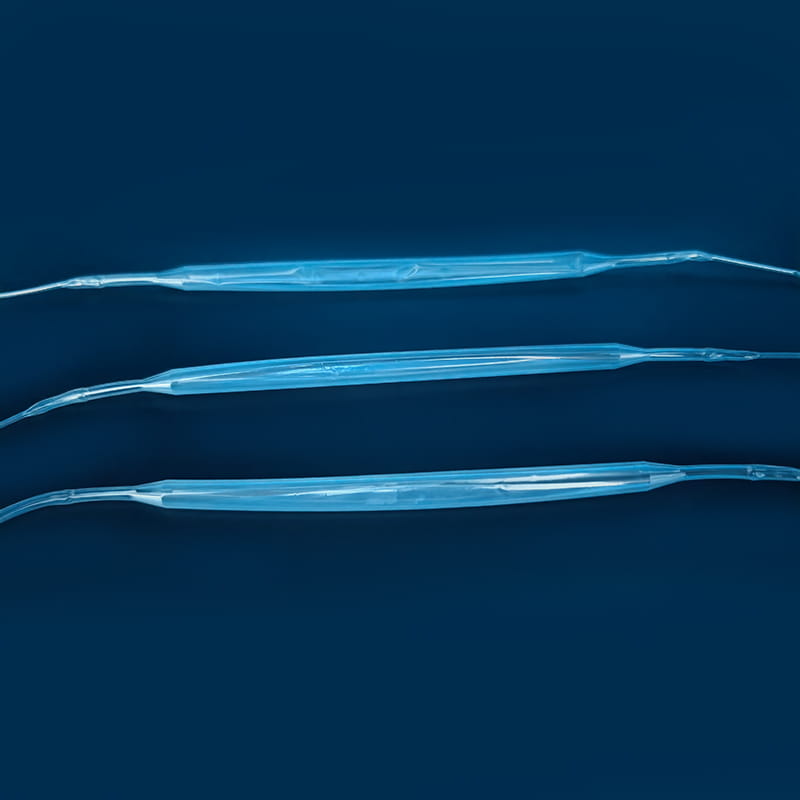
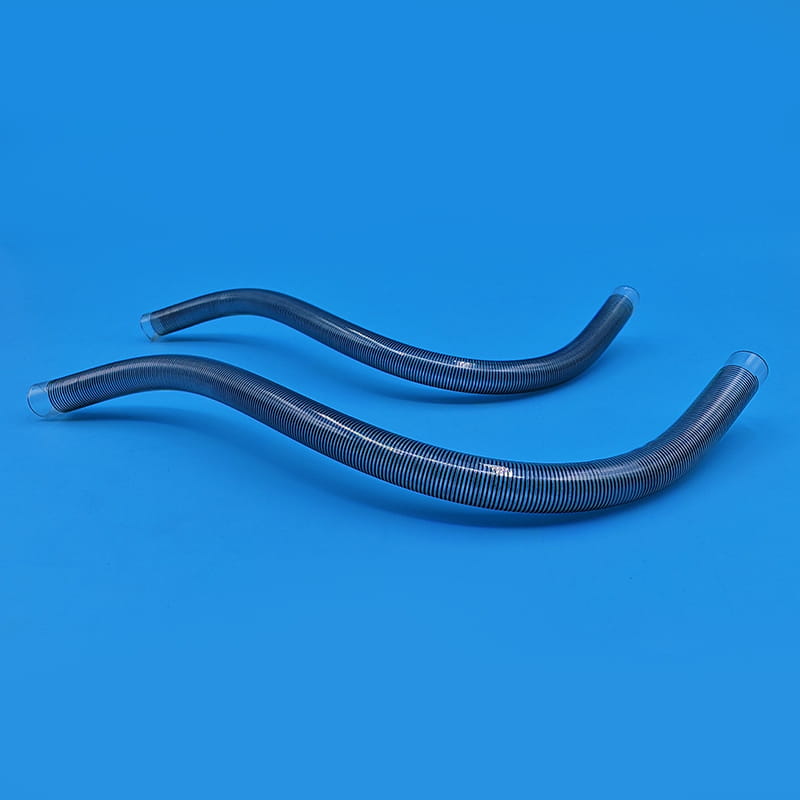
Given these characteristics, TPU tubes are used in a wide array of applications, including respiratory devices, intravenous (IV) lines, surgical drains, and catheter systems.
Key Considerations for Choosing a Medical TPU Tube
When selecting the right TPU tube for your medical needs, several key factors should be considered. These factors ensure that the tube will function as intended while meeting the specific requirements of the healthcare setting.
Tube Size and Flexibility
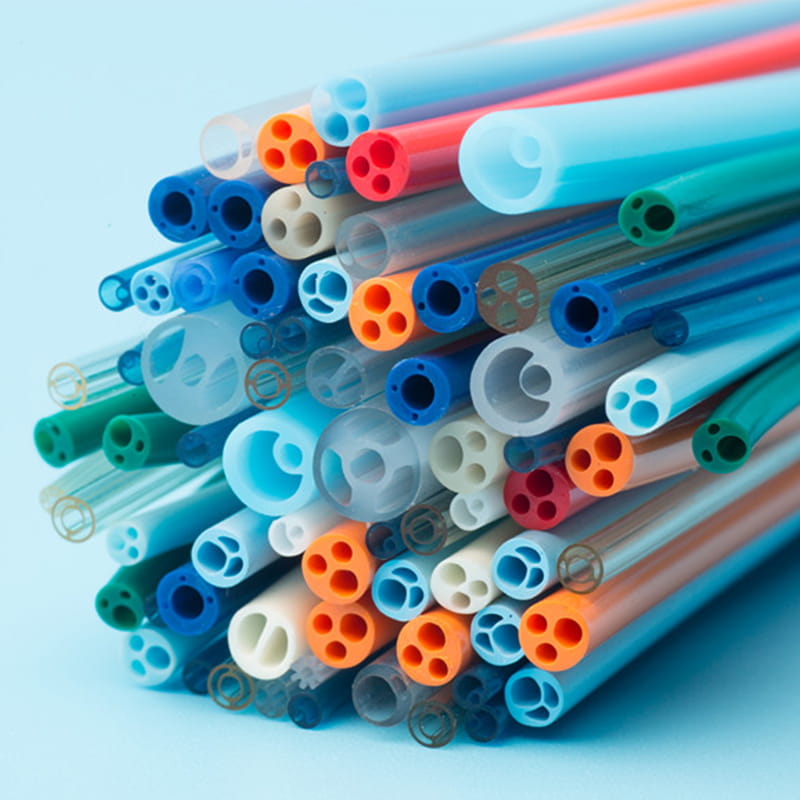
The size of the TPU tube, including both its internal diameter and wall thickness, should match the intended use. For example, a larger diameter tube may be necessary for higher flow rates, such as in respiratory devices or drainage systems. On the other hand, smaller diameter tubes are more suitable for delicate applications like IV lines or catheter systems.
Flexibility is another essential characteristic. TPU tubes can vary in flexibility, with some being more rigid and others being highly flexible. It’s important to choose the appropriate tube flexibility based on the procedure or device. For example, flexible tubes are often needed for applications involving insertion into body cavities, while more rigid tubes may be used in applications where the tube needs to maintain a specific shape.
Temperature and Chemical Resistance
Medical TPU tubes are exposed to a wide range of temperatures and chemicals in healthcare environments. When choosing a tube, it’s essential to ensure that it can handle both the typical temperatures it will encounter and any chemicals it may come into contact with.
For example, tubes used in infusion systems or dialysis will need to be resistant to both the temperatures of the fluids being transported and the chemical disinfectants used during cleaning. TPU’s ability to withstand a variety of chemicals, including alcohol, acids, and alkalis, is one of the reasons it’s so effective in medical settings.
Sterilization Methods
Sterilization is a critical process in healthcare, as ensuring that medical devices are free from pathogens is essential for patient safety. TPU tubes are typically sterilized using methods like autoclaving** (steam sterilization), ethylene oxide (EtO) gas, or gamma radiation. It’s important to choose TPU tubes that are compatible with your preferred sterilization method.
Some TPU tubes may lose their mechanical properties after repeated sterilization, so selecting a tube that maintains its integrity and functionality after multiple sterilization cycles is key to ensuring long-term usability.
Durability and Wear Resistance
Medical TPU tubes must withstand significant wear and tear. Whether it’s exposure to pressure, repeated handling, or movement within the body, the tube must be durable. The durability of TPU tubes can vary depending on the material formulation and manufacturing process, so selecting tubes with the appropriate wear resistance ensures a longer service life.
Tubes with high wear resistance can reduce the need for frequent replacements, which can save costs and improve operational efficiency in healthcare facilities.
Biocompatibility and Safety
Biocompatibility is arguably the critical consideration when selecting a medical TPU tube. The tube should not cause any adverse reactions when in contact with body fluids or tissues. High-quality TPU is specifically engineered to meet medical standards for biocompatibility, ensuring that it will not cause irritation or rejection when used in medical procedures.
Before choosing a tube, ensure it meets the required regulatory standards for medical devices, such as the ISO 10993 standards, which assess the biological evaluation of medical devices.
TPU Tubes vs. Other Medical Tubing Materials
To help visualize the advantages of TPU tubes over other common medical tubing materials, here’s a comparison:
| Property | TPU Tubes | PVC Tubes | Silicone Tubes | Rubber Tubes |
|---|---|---|---|---|
| Flexibility | High | Moderate | High | Low |
| Biocompatibility | Excellent | Moderate | Excellent | Moderate |
| Chemical Resistance | Excellent | Good | Good | Poor |
| Temperature Resistance | High | Moderate | High | Moderate |
| Sterilization | Autoclave, EtO, Gamma | Limited (EtO) | Autoclave, Gamma | Limited (EtO) |
| Durability | High | Moderate | Moderate | Low |
| Transparency | Excellent | Moderate | Good | Poor |
As seen in the table, TPU tubes are highly versatile and often outperform other materials in key areas such as flexibility, chemical resistance, and durability, making them an ideal choice for many medical applications.
Applications of TPU Tubes in Healthcare
TPU tubes are used across various medical fields due to their versatility. Some common applications include:
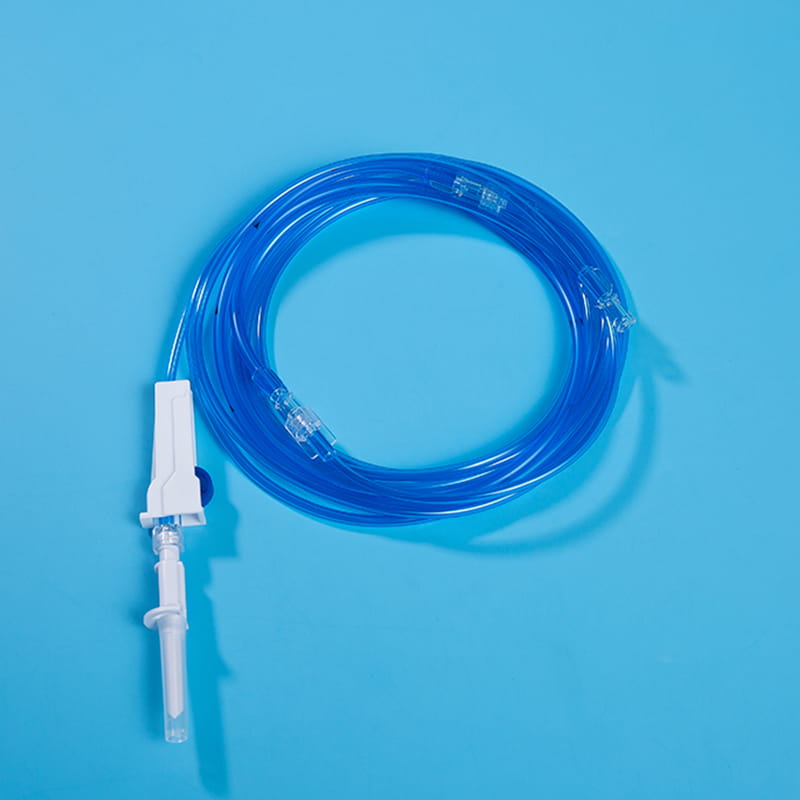
- Intravenous (IV) Lines: Used for fluid administration, TPU tubes offer flexibility and biocompatibility, making them suitable for long-term patient care.
- Endotracheal Tubes: TPU tubes are used in respiratory care, such as for mechanical ventilation, due to their ability to withstand pressure and maintain flexibility.
- Surgical Drains: TPU tubes are often used in post-operative care to drain excess fluid from the body after surgery.
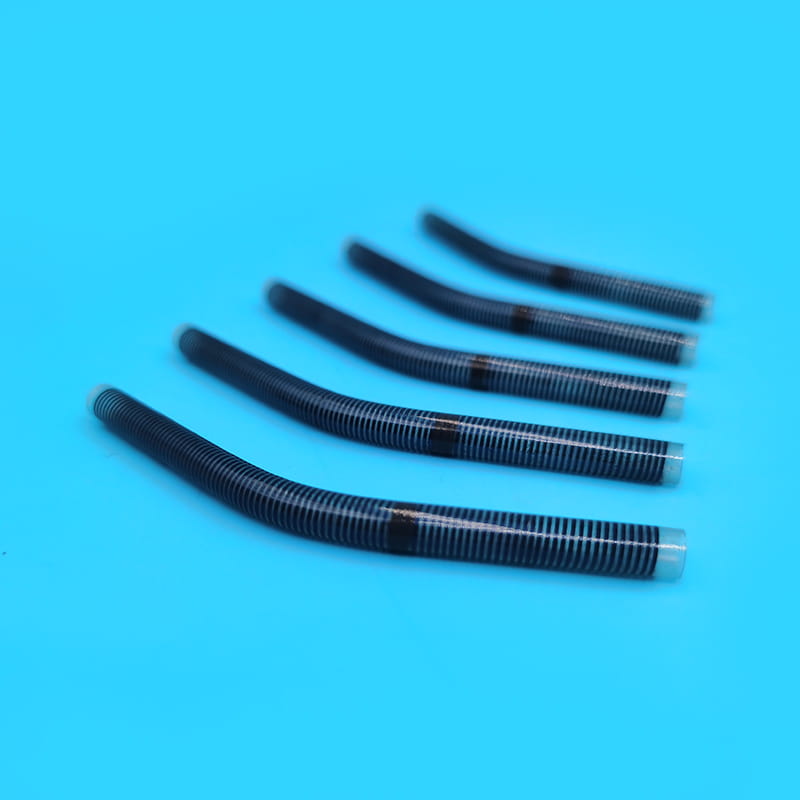
- Catheters: TPU tubes are used in various catheter applications, such as urinary catheters or vascular access catheters, due to their biocompatibility and flexibility.
FAQ
Q1: What makes TPU tubes different from PVC or silicone tubes?
A1: TPU tubes offer flexibility, chemical resistance, and durability compared to PVC and silicone. Unlike PVC, TPU is more resistant to wear and tear, and unlike silicone, TPU is often more transparent and easier to handle in certain applications.
Q2: Can TPU tubes be used for both long-term and short-term medical procedures?
A2: Yes, TPU tubes are versatile enough to be used in both short-term and long-term applications. They are commonly used in both acute settings, such as emergency care, and chronic applications, such as catheter systems or drainage tubes.
Q3: How do I ensure that the TPU tube is compatible with my sterilization process?
A3: TPU tubes are compatible with a variety of sterilization methods, including autoclaving, gamma radiation, and ethylene oxide. It’s essential to verify the manufacturer’s guidelines to ensure the tube can withstand the intended sterilization process without degradation.
Q4: Are TPU tubes safe for use in contact with body fluids?
A4: Yes, TPU is biocompatible and designed for use in medical applications involving direct contact with body fluids. It meets high safety standards and is widely used for devices like catheters and IV lines.
Q5: How do I determine the right tube size for my application?
A5: Choosing the right tube size depends on the intended flow rate and the specific medical procedure. For example, larger diameters are suitable for high-flow applications like drainage systems, while smaller diameters are used for procedures like IV infusions.
Conclusion
Choosing the right medical TPU tube is crucial for ensuring patient safety, comfort, and the efficiency of medical procedures. By considering factors like tube size, flexibility, chemical resistance, and biocompatibility, you can select a TPU tube that meets your healthcare needs.
For more information, please call us at +86-18913710126 or email us at [email protected].
Medical intervention in complex anatomical pathways demands precision, flexibility, and reliability...
What Is a Pressure Extension Tube and Why It Matters in Clinical Practice A pressure extension tube...
Polyimide tubing has become indispensable in modern medical device engineering. From minimally inv...
Understanding FEP Guidewire Protective Sheath Tubing Minimally invasive medical procedures have re...
A medical peristaltic pump tube is a specialized fluid transfer component designed for accurate, st...
The Evolution of Catheter Visualization Technology Minimally invasive procedures have fundamentally...