
 English
  عربى
عربى  中文简体
中文简体  русский
  Français
  Deutsch
 How Do Stainless Steel Springs Enhance the Durability of Medical Drainage Tubes?
Introduction
In medical practice, particularly in post-surgical care, body cavity effusion, orthopedic trauma, and intensive care units (ICU), drainage tubes are crucial tools used to facilitate the removal of bodily fluids and promote healing. The functionality and durability of these tubes are vital for patient recovery, as improper drainage can complications. One of the key aspects of enhancing the effectiveness of drainage tubes is strengthening them to prevent collapse or blockage, ensuring a continuous and efficient drainage process.
Core Applications of Strengthen The Drainage Tubes
Strengthen the drainage tubes are commonly used in a variety of medical situations, especially those requiring efficient fluid removal. These applications include:
-
Post-surgical care: After surgical procedures, drainage tubes are essential for removing fluids that accumulate in the body cavity. These fluids can include blood, pus, or serous fluid. Strengthened tubes are designed to ensure that these fluids are removed without obstruction, which aids in faster healing and minimizes the risk of infection.
-
Body cavity effusion: Effusion, or the accumulation of excess fluid in a body cavity, can occur in a variety of medical conditions such as trauma, infection, or organ disease. Drainage tubes, reinforced for durability, are used to effectively manage and drain these fluids.
-
Orthopedic trauma: Following fractures or surgical procedures in the musculoskeletal system, drainage tubes are used to remove blood and other fluids from the affected area. These tubes must be strong enough to resist compression and ensure efficient drainage during the healing process.
-
ICU (Intensive Care Unit): In critical care environments, drainage tubes play an essential role in the management of fluids, particularly for patients with severe trauma or post-surgical complications. Strengthened tubes help prevent blockages in high-pressure scenarios, ensuring that drainage remains unobstructed.
Key Features of Strengthened Drainage Tubes
The design of drainage tubes used in medical settings is critical to their performance. Here are the key features that strengthen these tubes and improve their functionality:
Stainless Steel Spring for Compression Resistance
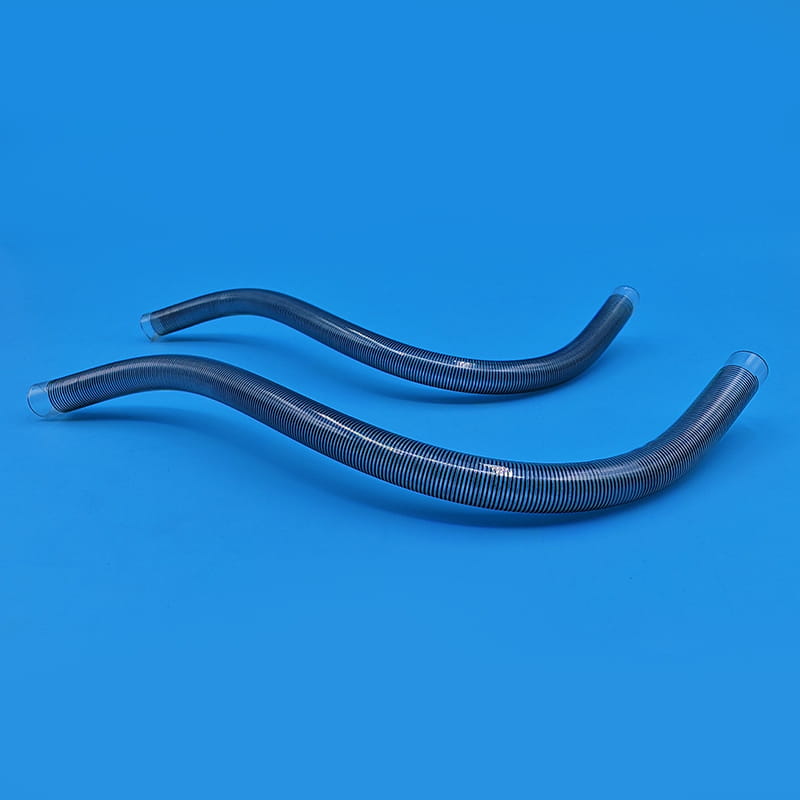
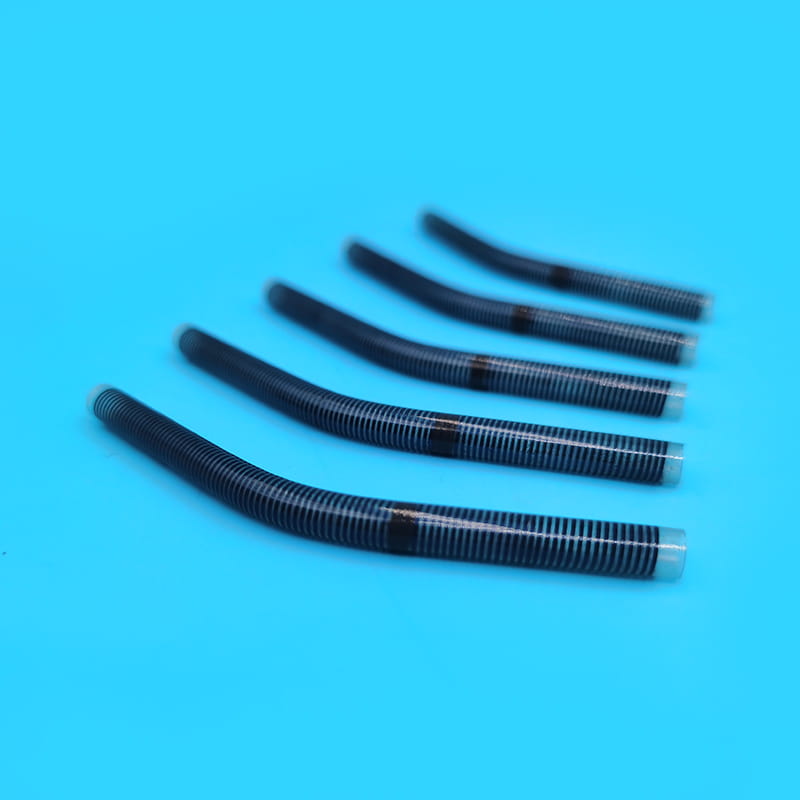
One of the main issues with traditional drainage tubes is the risk of collapse or blockage due to external pressure. To address this, modern drainage tubes incorporate stainless steel springs. These springs provide compression resistance, which ensures that the tube maintains its shape and integrity, even under pressure. This feature is particularly beneficial in high-traffic or crowded body areas where tubes are at risk of being compressed.
| Feature | Benefit |
|---|---|
| Stainless steel spring | Resists compression, maintaining open and unobstructed channels |
| Durable tube wall material | Prevents collapse and ensures smooth fluid flow |
| Enhanced strength | Suitable for high-pressure situations in post-surgical recovery |
Barium Sulfate Imaging + Graduation for Precise Placement
Accurate placement of the drainage tube is crucial for effective fluid drainage. Tubes reinforced with barium sulfate imaging lines enable precise placement during imaging examinations such as X-rays. This imaging capability allows doctors to visualize the tube’s location in the body and adjust its positioning accordingly. The graduation marks further assist in determining the depth of insertion, ensuring placement for efficient drainage.
Multiple Perforation/Drilling Design for Efficient Drainage
Efficient drainage is facilitated by the presence of multiple perforations or drilled holes along the tube. These perforations allow for the effective removal of fluids from multiple points, enhancing the drainage process and preventing any fluid build-up. In situations involving body cavity effusion or bleeding, these drilled patterns ensure that all accumulated fluids are adequately drained, reducing the risk of infection or fluid retention.
Chamfered Finish to Reduce Tissue Friction
A key factor in preventing complications during the insertion and removal of drainage tubes is the reduction of tissue friction. Chamfered finishes are used on drainage tubes to minimize the risk of tissue damage or irritation during use. This smooth finish reduces friction between the tube and surrounding tissues, lowering the chance of injury or infection.
Key Functions of Strengthened Drainage Tubes
The primary functions of strengthened drainage tubes in medical applications are:
-
Ensuring Smooth Drainage: The inclusion of a stainless steel spring in the design helps maintain a smooth drainage pathway by resisting compression. This prevents blockages and ensures continuous drainage of bodily fluids, such as blood, pus, or other exudates, thereby improving patient outcomes.
-
Precise and Controllable Positioning: The barium sulfate imaging line, which is visible on X-ray, enables doctors to accurately position the drainage tube within the patient’s body. This precise control of catheter placement ensures that fluids are drained from the correct location, minimizing the risk of complications such as fluid leakage or improper drainage.
-
Durability and Longevity: The use of PVC for the outer layer, combined with the stainless steel spring in the middle layer, enhances the durability of the drainage tube. This combination of materials ensures that the tube remains intact and operational for a longer period, even under continuous fluid flow.
-
Reduced Risk of Injury: With the chamfered finish, these tubes have a smoother surface that reduces the likelihood of tissue irritation or trauma during insertion. This feature is particularly important in sensitive areas or when dealing with fragile tissues in post-surgical patients.
Materials and Manufacturing Process
Strengthened drainage tubes are manufactured using high-quality materials and advanced processes to ensure their effectiveness and durability. Here are the materials and manufacturing steps involved:
-
Materials:
- Outer Layer: PVC (Polyvinyl Chloride) – A flexible and durable material that provides structural integrity while ensuring ease of use.
- Middle Layer: Stainless Steel Spring – Adds strength and prevents tube collapse under pressure, ensuring reliable drainage.
- Internal Spring – Further enhances the tube’s structural strength, ensuring that it remains open for efficient drainage.
-
Process:
- Drilling/Opening: Multiple perforations are drilled along the length of the tube to allow for fluid drainage.
- Chamfering: The edges of the tube are smoothed using chamfering to reduce friction and prevent injury during insertion or removal.
- Sheet Printing: Graduation marks are printed on the tube for precise measurement and placement during use.
Conclusion
The strengthening of drainage tubes, particularly through advanced materials and innovative designs, plays a vital role in improving patient outcomes. These tubes are crucial in a variety of medical applications, including post-surgical recovery, managing body cavity effusion, and addressing orthopedic trauma. By incorporating features such as stainless steel spring reinforcement, barium sulfate imaging, multiple perforations, and chamfered finishes, medical professionals can ensure the effective and safe removal of fluids, minimizing complications and speeding up the healing process.
FAQ
1. What are the benefits of using a strengthened drainage tube in medical procedures?
Strengthened drainage tubes prevent collapse and blockage, ensuring smooth and efficient drainage of bodily fluids, which is critical for post-surgical recovery and managing fluid accumulation.
2. How does barium sulfate imaging aid in the placement of drainage tubes?
Barium sulfate imaging makes the tube visible on X-rays, allowing doctors to accurately position the catheter within the body, ensuring that fluids are drained from the correct location.
3. Why is a chamfered finish important for drainage tubes?
A chamfered finish reduces friction between the tube and surrounding tissues, minimizing the risk of injury or irritation during insertion and removal.
4. What materials are used in the construction of a reinforced drainage tube?
The outer layer is made of PVC, while the middle layer incorporates a stainless steel spring for compression resistance. These materials ensure the tube remains durable and resistant to blockages.
5. How long can a reinforced drainage tube be used before needing replacement?
The durability of these tubes depends on the specific medical condition and usage, but their reinforced design ensures longer functionality, reducing the need for frequent replacements.
For more information, please call us at +86-18913710126 or email us at [email protected].
Polyimide tubing has become indispensable in modern medical device engineering. From minimally inv...
Understanding FEP Guidewire Protective Sheath Tubing Minimally invasive medical procedures have re...
A medical peristaltic pump tube is a specialized fluid transfer component designed for accurate, st...
The Evolution of Catheter Visualization Technology Minimally invasive procedures have fundamentally...
Understanding Medical Catheters in Modern Healthcare Medical devices have revolutionized patient ca...
A straight catheter reaches most of the airway, but the last centimeter into a tracheostomy branch...