
 English
  عربى
عربى  中文简体
中文简体  русский
  Français
  Deutsch
 What Are Medical Catheters and How Are They Used?
Understanding Medical Catheters in Modern Healthcare
Medical devices have revolutionized patient care, and among the most critical are medical catheters. These slender, flexible tubes represent a cornerstone of modern clinical practice, enabling healthcare providers to access the body's internal systems with precision and minimal invasion. Whether delivering medications, monitoring vital functions, or providing diagnostic information, catheters serve as essential tools that bridge the gap between diagnosis and treatment.
The history of catheterization spans centuries, yet modern iterations represent decades of refinement in materials science and clinical methodology. Today's healthcare facilities depend on these devices for everything from temporary interventions to long-term therapeutic management, making understanding their design, application, and safety protocols essential knowledge for medical professionals.
Primary Categories of Medical Catheters
Medical catheters exist in numerous configurations, each designed to address specific clinical needs. Understanding these categories helps healthcare providers select appropriate devices for distinct therapeutic and diagnostic purposes.
Urinary Catheters
Urinary catheters represent the most frequently used catheter type in clinical settings. These devices facilitate bladder drainage in patients experiencing urinary retention, incontinence, or those requiring precise urinary output monitoring. The indwelling variety, commonly known as Foley catheters, feature retention balloons that maintain position within the bladder. Intermittent catheterization catheters, conversely, require periodic insertion and removal, offering reduced infection risk for appropriate patients.
Cardiovascular Catheters
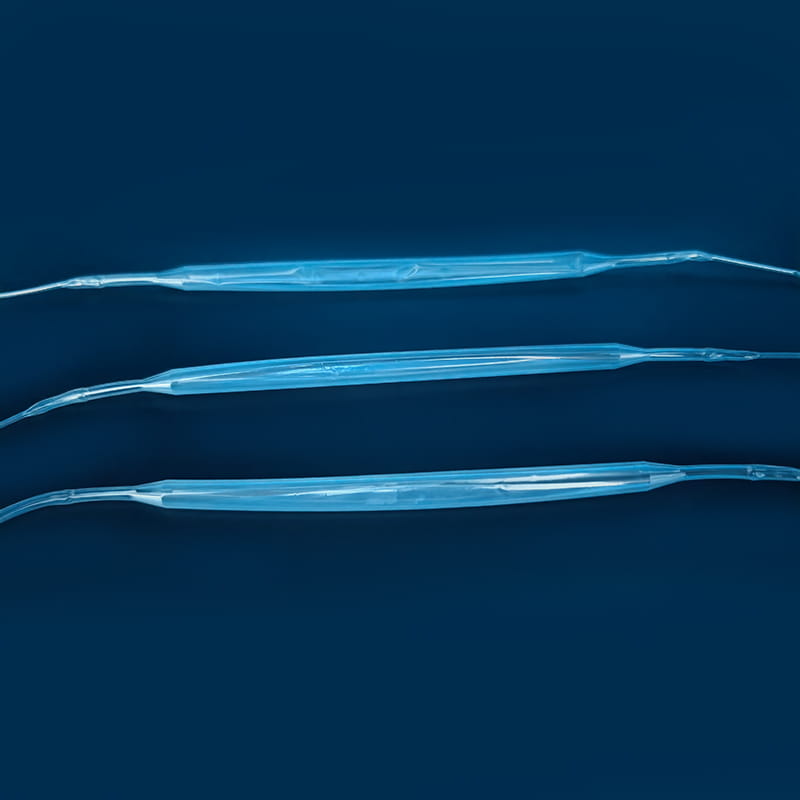
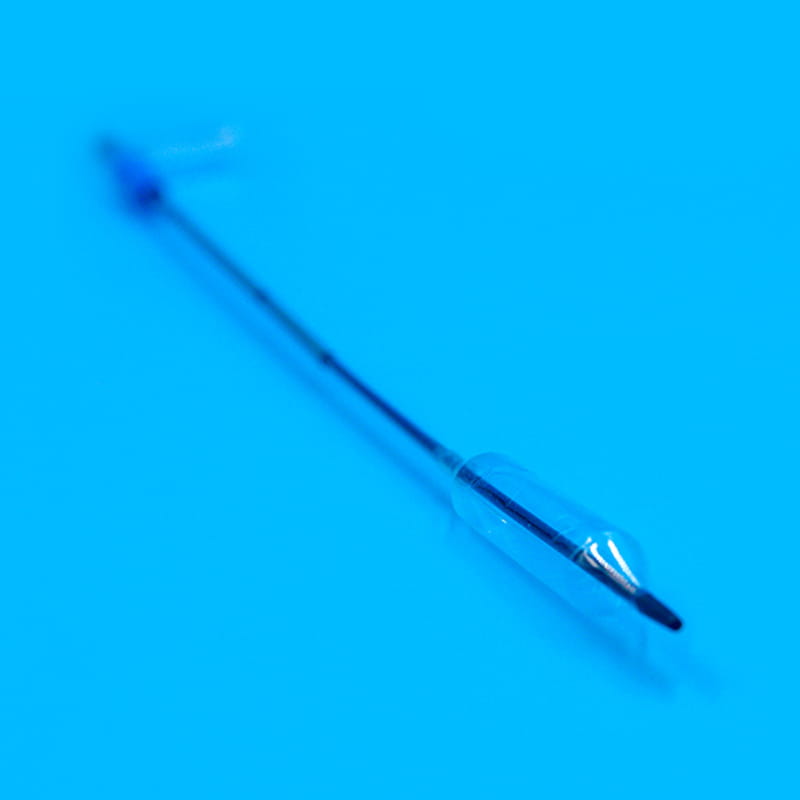
Cardiovascular applications demand exceptional precision and biocompatibility. Angiographic catheters enable visualization of coronary arteries and peripheral vessels through contrast media injection. Precision balloon catheter tubing technologies facilitate angioplasty procedures, allowing clinicians to address vascular stenosis through controlled balloon inflation. Central venous catheters provide vascular access for medication administration, hemodynamic monitoring, and nutrient delivery in critically ill patients.
Respiratory Catheters
Endotracheal catheters provide direct airway access for mechanical ventilation in patients unable to maintain spontaneous respiration. These devices bypass upper airway resistance, ensuring adequate gas exchange during critical illness or surgical procedures. Nasopharyngeal and oropharyngeal variants offer less invasive alternatives for specific clinical scenarios.
Drainage and Aspiration Catheters
These catheters address fluid accumulation in various body cavities. Thoracostomy tubes manage pneumothorax and pleural effusions, while peritoneal catheters access abdominal cavities for dialysis or fluid removal. Gastric catheters enable enteral feeding and gastric decompression in patients with swallowing difficulties or gastrointestinal obstruction.
Specialized Diagnostic Catheters
Pulmonary artery catheters provide comprehensive hemodynamic data essential for managing critically ill patients with complex cardiovascular pathology. Esophageal pressure monitoring catheters assist in respiratory mechanics assessment, while biliary catheters access the hepatobiliary system for therapeutic intervention.
Material Science and Catheter Construction
Catheter effectiveness depends fundamentally on material selection. Modern medical devices employ diverse polymer technologies, each offering distinct advantages for specific applications.
Silicone and Polyurethane
Silicone elastomers provide exceptional biocompatibility and resistance to degradation over extended indwelling periods. Their hydrophobic nature permits excellent lubrication when appropriately coated. Polyurethane offers superior kink resistance and navigability through tortuous vessel anatomy, making it ideal for interventional procedures requiring maneuverability.
Polyvinyl Chloride and Latex
Polyvinyl chloride (PVC) catheters offer cost-effectiveness and adequate biocompatibility for short-term applications. Latex, though less commonly used due to allergy considerations, remains present in certain catheter designs. Modern manufacturing increasingly replaces latex with alternative polymers to minimize allergic reactions in sensitive populations.
Hydrophilic and Antimicrobial Coatings
Surface modifications enhance catheter performance and reduce complication rates. Hydrophilic coatings reduce friction during insertion while improving patient comfort. Antimicrobial coatings, incorporating silver ions or other bactericidal agents, demonstrate effectiveness in reducing biofilm formation and associated infections, particularly relevant for long-term indwelling devices.
Lubricious Hydrogel Technology
Advanced hydrogel coatings create slippery surfaces that facilitate insertion and reduce urethral trauma. These coatings absorb water, creating a gel-like interface that minimizes friction while maintaining structural integrity during manipulation.
Catheter Structure and Components
The anatomy of a catheter encompasses several critical components, each serving distinct functional purposes. The lumen represents the central channel through which fluid flows, with diameter calibrated to clinical requirements. The tip design determines directional navigation and tissue compatibility, whether tapered for arterial access or angled for specific anatomical routes.
Retention mechanisms, particularly balloons in urinary and vascular applications, maintain device positioning without sutures or external fixation. Side holes, strategically positioned along the shaft, distribute fluid flow and prevent single-point obstruction. The shaft itself must balance flexibility with structural integrity, enabling manipulation while resisting kinking or collapse under physiological pressure.
Insertion Techniques and Clinical Protocols
Proper catheterization requires adherence to established protocols that minimize complications while ensuring successful device placement.
Aseptic Technique Fundamentals
All catheterization procedures demand rigorous aseptic technique to prevent infection. Healthcare providers must utilize sterile gloves, sterile field preparation, and appropriate skin antisepsis before insertion. The duration of aseptic protocol intensifies with catheter type, with central vascular access demanding the most stringent measures including cap, gown, and mask requirements alongside sterile draping.
Site Selection and Preparation
Optimal site selection balances accessibility, functionality, and complication minimization. Urinary catheterization requires visualization of the urethral meatus following appropriate cleansing. Vascular access site selection considers vessel size, depth, and future access requirements. Gastric catheterization may proceed nasally or orally depending on patient factors and intended duration.
Step-Wise Insertion Protocol
- Perform comprehensive patient assessment including contraindications, allergies, and anatomical considerations
- Explain the procedure and obtain informed consent when feasible
- Position the patient appropriately for the intended catheterization route
- Establish sterile field with appropriate draping and instrumentation
- Apply local anesthesia or lubricant per protocol and catheter type
- Advance the catheter with gentle, controlled pressure avoiding excessive force
- Confirm appropriate placement through visualization, aspiration, or imaging as indicated
- Secure the device according to institutional protocol
- Document insertion details including date, time, size, and any complications
Patient Education and Cooperation
Patient understanding and cooperation significantly influence insertion success and complication rates. Clear explanation of sensations to expect, emphasis on relaxation techniques, and explanation of the clinical necessity help patients tolerate the procedure with reduced anxiety.
Post-Insertion Management and Maintenance
Catheter insertion represents only the initial phase; ongoing management determines clinical outcomes and complication rates.
Daily Assessment Protocols
Healthcare providers must conduct systematic daily evaluation of all catheters to identify early complications. Assessment includes inspection of insertion sites for erythema, edema, or purulent drainage; verification of catheter patency and function; confirmation of secure fixation; and evaluation of patient tolerance and comfort.
Infection Prevention Strategies
Catheter-associated infections represent significant sources of morbidity and increased healthcare costs. Evidence-based prevention strategies include appropriate hand hygiene before catheter manipulation, aseptic technique during dressing changes, prompt removal when clinically no longer necessary, and appropriate antimicrobial use when indicated. Regular dressing changes with sterile technique maintain site integrity and reduce infection risk.
Patency Maintenance
Prevention of catheter occlusion requires attention to fluid administration patterns and appropriate flushing protocols. Most central vascular catheters require periodic saline flushes to prevent thrombus formation. Urinary catheters benefit from adequate hydration to maintain urine flow. Gastric catheters may require periodic aspiration to prevent feeding formula accumulation.
Catheter Removal Decisions
Clinicians must regularly reassess the continued necessity of indwelling catheters. Unnecessary prolonged catheterization increases infection risk without clinical benefit. Systematic removal protocols, particularly for urinary catheters, reduce unnecessary insertions and associated morbidity.
Complications and Risk Management
Despite optimal technique and management, catheterization carries inherent risks requiring vigilant monitoring and rapid intervention.
Infection-Related Complications
Catheter-associated urinary tract infections (CAUTI) represent the most frequent healthcare-associated infection. Similarly, central line-associated bloodstream infections (CLABSI) carry substantial morbidity and mortality. Risk factors include prolonged indwelling duration, female gender, immunosuppression, and inadequate aseptic technique. Prevention through evidence-based protocols significantly reduces these complications.
Mechanical Complications
Catheter migration, kinking, or separation can compromise function and necessitate reinsertion. Occlusion from thrombus, mineral deposits, or foreign material impedes fluid flow. Damage during insertion, manipulation, or removal can create perforations leading to extravasation and tissue damage.
Tissue Trauma and Erosion
Insertion technique and prolonged contact between catheter materials and delicate tissues can cause ulceration and erosion. Urethral strictures develop following traumatic catheterizations or chronic indwelling catheter use. Vascular perforation during arterial catheterization demands immediate recognition and intervention.
Thrombotic Complications
Central venous catheters activate coagulation cascades, creating thrombotic risk. Deep vein thrombosis represents a significant complication of peripherally inserted central catheters (PICCs). Heparin coating or low-dose anticoagulation reduces, though does not eliminate, thrombotic risk in high-risk patients.
Allergic and Foreign Body Reactions
Latex sensitivity affects approximately 1-6% of the general population with higher prevalence in healthcare workers and certain patient populations. Appropriate material selection and latex-free protocols eliminate this preventable complication. Granulation tissue and foreign body reactions occur with long-term catheterization, particularly in urinary systems.
Quality Standards and Regulatory Requirements
Medical catheter manufacturing adheres to rigorous international standards ensuring safety, efficacy, and consistency.
Regulatory Framework
Regulatory agencies worldwide mandate comprehensive testing and documentation before market approval. Standards address material composition, biocompatibility, mechanical properties, and sterilization validation. Manufacturing facilities undergo periodic inspection to verify compliance with established protocols.
Biocompatibility Assessment
Catheter materials must demonstrate biocompatibility through rigorous testing protocols. Cytotoxicity assays evaluate cellular response to material components. Sensitization testing identifies allergenic potential. Systemic toxicity assessment ensures that material degradation products pose no harm following absorption. Hemocompatibility evaluation determines blood compatibility for vascular applications.
Performance Specifications
Technical specifications establish measurable performance criteria. Tensile strength requirements ensure structural integrity during insertion and manipulation. Kink resistance testing simulates physiological bending. Lubricity measurements quantify friction reduction from surface coatings. Lumen patency testing confirms fluid flow characteristics under various conditions.
Sterility Assurance
Sterilization processes must achieve appropriate sterility assurance levels while preserving material properties. Ethylene oxide gas sterilization remains the predominant method for temperature-sensitive polymers. Validation protocols confirm sterilization efficacy through biological and chemical indicators. Post-sterilization storage conditions prevent contamination reintroduction.
| Quality Parameter | Testing Method | Acceptance Criteria |
|---|---|---|
| Tensile Strength | ASTM D638 | Minimum threshold per specification |
| Kink Resistance | Proprietary dynamic testing | No kinking at specified bend radius |
| Cytotoxicity | ISO 10993-5 cell cultures | Minimal to no cell death |
| Sterility Assurance | Biological indicators post-sterilization | Greater than 10-6 SAL achievement |
| Pyrogenicity | LAL endotoxin testing | Less than 175 endotoxin units |
Emerging Technologies and Future Developments
Ongoing research continues to enhance catheter safety, efficacy, and functionality, driven by clinical demand for improved patient outcomes.
Smart Catheter Development
Integration of sensors within catheter structures enables real-time monitoring of physiological parameters. Temperature sensors detect infection-associated fever. Pressure transducers measure intraluminal pressure across various anatomical sites. Glucose sensors enable continuous metabolic monitoring in critically ill patients. These integrated systems transmit data wirelessly to bedside monitors, providing clinicians with continuous surveillance without requiring frequent manual assessments.
Antimicrobial Surface Innovations
Advanced surface modifications demonstrate enhanced antimicrobial efficacy. Nanoparticle-embedded coatings release bactericidal ions creating hostile environments for biofilm formation. Photodynamic coatings activate under specific wavelengths to generate reactive oxygen species destroying bacterial membranes. Natural antimicrobial compounds derived from plant sources offer alternatives to synthetic agents with reduced resistance development risk.
Material Science Advances
Development of thermochromic polymers enables visual indication of catheter position through color change at body temperature. Electromagnetic properties incorporated into catheter materials facilitate precise localization using external magnetic fields. Bioabsorbable polymers offer potential for temporary catheter applications, eliminating removal procedures in appropriate clinical scenarios.
Artificial Intelligence Integration
Machine learning algorithms analyze catheter performance data to predict complications before clinical manifestation. Pattern recognition identifies subtle changes in hemodynamic parameters associated with thrombosis development. Predictive analytics guide clinician decision-making regarding optimal removal timing versus continued therapeutic benefit.
Clinical Decision-Making and Catheter Selection
Optimal clinical outcomes depend on systematic evaluation and appropriate catheter selection for specific clinical scenarios.
Assessment Framework
Comprehensive patient evaluation must precede catheterization decisions. Duration requirements determine catheter material selection, with short-term applications permitting PVC while long-term use mandates silicone or polyurethane. Anatomical considerations including vessel size, tortuosity, and tissue characteristics influence catheter caliber and design selection. Comorbid conditions including immunosuppression, coagulopathy, and diabetes require additional precautions and potentially more biocompatible materials.
Risk Stratification
Patient risk profiles guide intensity of prevention protocols. High-risk populations including immunocompromised patients, those with prolonged hospitalizations, and individuals with multiple comorbidities benefit from enhanced infection prevention and more frequent monitoring. Standard-risk patients may tolerate routine protocols with acceptable complication rates.
Comparative Advantages of Catheter Types
Intermittent catheterization reduces infection risk compared to indwelling catheters for appropriate patients with bladder dysfunction. PICC lines offer weeks of vascular access without central venous catheterization risks. Nasopharyngeal airways provide temporary respiratory access while avoiding endotracheal intubation complications. Careful consideration of clinical goals ensures selection of the least invasive option meeting therapeutic requirements.
Professional Training and Competency Development
Healthcare provider competency in catheterization directly impacts patient safety and complication rates. Standardized training programs ensure consistent technique development and maintenance.
Educational Components
Comprehensive training encompasses theoretical knowledge of catheter types, anatomical landmarks, insertion techniques, and complication management. Skill development progresses through supervised practice on models before independent patient care. Simulation-based training provides opportunity to develop proficiency without patient risk. Periodic competency assessment maintains performance standards throughout professional careers.
Specialty-Specific Training
Vascular access training requires distinct knowledge regarding arterial anatomy, hemostasis techniques, and vascular access device management. Interventional procedures demand advanced training in fluoroscopic guidance and complex device manipulation. Each specialty area benefits from structured curricula developed by professional organizations with expertise in specific catheterization procedures.
Economic Impact and Cost Considerations
Catheterization-related complications impose substantial economic burden through prolonged hospitalizations, antimicrobial therapy, and additional interventions.
Infection-Associated Costs
Catheter-associated infections extend hospitalization duration by 7-14 days on average, with attributable costs ranging from thousands to tens of thousands of dollars per infection. Antimicrobial therapy for resistant organisms, imaging studies for diagnosis, and potential organ support requirements during sepsis management accumulate substantial expenses. Prevention through evidence-based protocols provides exceptional return on investment through reduced complication rates.
Device Selection Implications
Higher-quality catheters with advanced surface modifications command premium pricing but demonstrate reduced complication rates. Cost-effectiveness analyses demonstrate that antimicrobial-coated devices prevent sufficient infections to justify initial cost differential when accounting for complication treatment expenses. Economic analyses increasingly influence healthcare decision-making, making evidence-based device selection essential.
Prevention Program Investments
Institutional commitments to comprehensive catheterization programs including staff training, standardized protocols, and quality monitoring require capital investment but generate measurable reductions in adverse outcomes. Bundle approaches addressing multiple prevention elements simultaneously demonstrate additive benefits exceeding individual interventions.
Evidence-Based Best Practices Summary
Professional societies and evidence-based review organizations have established comprehensive guidelines synthesizing current evidence regarding optimal catheterization practice.
Essential Elements of Optimal Practice
- Perform aseptic technique consistently for all catheterization procedures without exception
- Evaluate continued catheterization necessity daily with removal consideration for all indwelling devices
- Implement comprehensive infection prevention bundles addressing multiple risk factors simultaneously
- Select catheter materials and designs appropriate for intended duration and specific patient factors
- Provide systematic staff training with periodic competency reassessment
- Establish quality monitoring programs tracking complication rates and patient outcomes
- Engage patients in care decisions with appropriate education and expectation-setting
- Document insertion details, management activities, and any complications systematically
- Conduct prompt investigation and management of complications when they occur
- Implement emerging technologies and evidence-based innovations as they demonstrate benefit
Institutional Culture and Patient Safety
Organizations with strong safety cultures characterized by psychological safety, transparent error reporting, and continuous improvement demonstrate superior outcomes in all aspects of catheterization care. Leadership commitment to evidence-based practice, adequate resource allocation, and accountability for adherence to established protocols creates environments where complications represent exceptions rather than expected outcomes.
Frequently Asked Questions
Q1: How long can catheters remain in place safely?
Duration depends on catheter type and clinical context. Urinary catheters should be removed within 24-48 hours post-operatively in surgical patients unless specific indications for prolonged use exist. Central venous catheters remain appropriate for weeks or months when properly maintained with aseptic technique. Peripheral intravenous catheters should be replaced every 72-96 hours. Patient-specific factors including immunosuppression or previous infection history may necessitate shorter durations.
Q2: What causes catheter-associated urinary tract infections?
CAUTI develops when pathogenic microorganisms enter the urinary system via the catheter or migrate along the biofilm forming on the catheter surface. Prolonged catheterization increases biofilm formation, with infection risk rising substantially after two weeks of continuous use. Inadequate aseptic technique during insertion and manipulation, improper catheter maintenance, and organism virulence factors all contribute to infection development. Breaking the catheter system integrity during dressing changes or manipulations introduces contamination directly into sterile environments.
Q3: Are there latex-free alternatives available?
Yes, modern catheter manufacturing has largely transitioned to latex-free materials. Silicone, polyurethane, and polyvinyl chloride alternatives provide equivalent or superior performance without allergy risk. Hospitals have successfully eliminated latex-containing medical devices through comprehensive procurement policies. Patients with latex sensitivity should verify latex-free status before procedures, though most modern healthcare facilities default to latex-free protocols.
Q4: How are catheter infections distinguished from other causes of fever?
Catheter-related infections typically present with fever accompanied by localized insertion site signs including erythema, purulent drainage, or tenderness. Blood cultures drawn from central venous catheter lumens showing growth matching peripheral blood cultures with delayed positivity strengthen infection diagnosis. Systemic inflammatory markers including elevated white blood cell counts and C-reactive protein support infection diagnosis but lack specificity. Removal of the suspected catheter followed by culture improves diagnostic accuracy.
Q5: What training is necessary before performing catheterization procedures?
Training programs should include comprehensive didactic instruction covering anatomy, catheter types, insertion techniques, and complication management. Supervised hands-on practice on models develops procedural skills before independent patient care. Competency assessment through supervised clinical practice ensures readiness for independent practice. Specialty procedures including interventional catheterization or complex vessel access require additional advanced training. Periodic competency reassessment maintains performance standards throughout careers.
Q6: How can patients minimize catheterization-related complications?
Patients should maintain appropriate hydration to support adequate urine flow and prevent obstruction in urinary catheters. Proper hygiene around insertion sites, accomplished through appropriate washing techniques, reduces infection risk. Avoiding manipulation or excessive tension on catheter lines prevents mechanical complications. Reporting symptoms including fever, drainage, or discomfort promptly enables rapid intervention. Following clinician recommendations regarding activity restrictions and catheter care optimizes safety during catheterization periods.
Q7: What does biocompatibility mean in catheter context?
Biocompatibility refers to the catheter material's ability to function within the body without provoking adverse tissue reactions. Biocompatible materials do not trigger excessive inflammatory responses, allergic reactions, or toxicity. Testing protocols evaluate cytotoxicity, sensitization potential, systemic toxicity, and hemocompatibility. Biocompatible catheter materials enable safe prolonged contact with body tissues without degradation or adverse effects. Selection of highly biocompatible materials enables safe long-term catheterization with reduced complication rates.
Q8: How are catheter manufacturing standards established?
International standards organizations develop comprehensive specifications addressing material composition, performance characteristics, biocompatibility, and sterilization validation. These standards undergo periodic revision incorporating emerging evidence and technological advances. Regulatory agencies mandate manufacturer compliance with established standards before market approval. Independent testing laboratories verify standard compliance through rigorous testing protocols. Ongoing manufacturing facility inspections ensure continued compliance throughout production.
For more information, please call us at +86-18913710126 or email us at [email protected].
Understanding Medical Catheters in Modern Healthcare Medical devices have revolutionized patient ca...
A straight catheter reaches most of the airway, but the last centimeter into a tracheostomy branch...
Medical professionals depend on tubing materials that combine reliability, safety, and performance...
A medical precision catheter is manufactured to exacting dimensional tolerances so clinicians can n...
Understanding Material Choice in Guiding Sheath Tube Design Selecting the right polymer for a guidi...
Mucosal preservation is the cornerstone of successful sinus surgery. The nasal and sinus mucosa pla...