
 English
  عربى
عربى  中文简体
中文简体  русский
  Français
  Deutsch
 Understanding the Properties of Medical PVC Pipes in Sterile Environments
Introduction
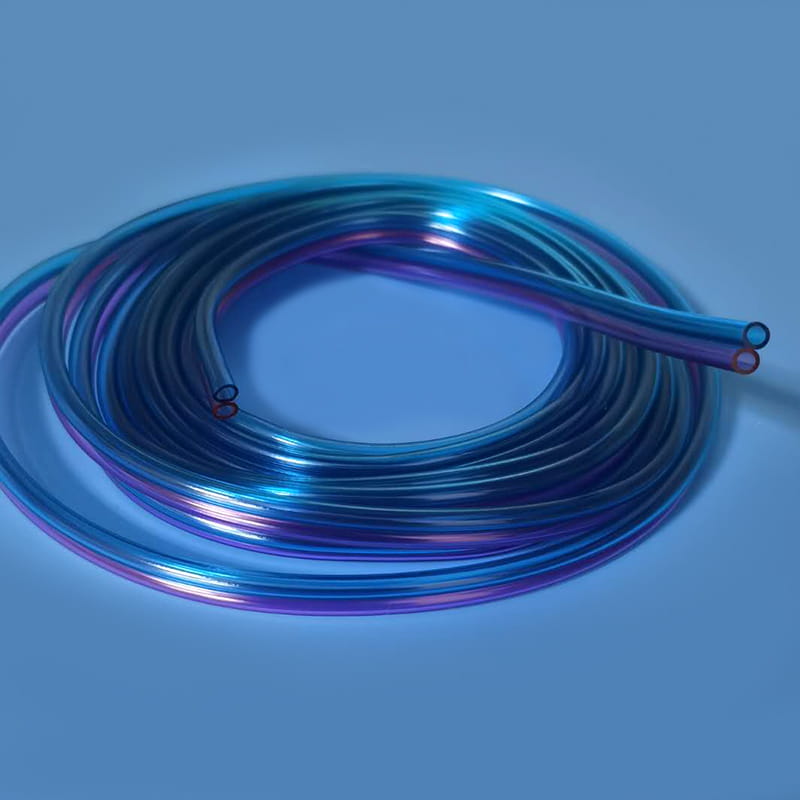
Medical PVC pipes, also known as polyvinyl chloride pipes, are essential components in medical devices and equipment used in various healthcare settings. Known for their versatility, durability, and affordability, these pipes play a crucial role in ensuring that vital medical procedures are carried out safely and efficiently.
What is Medical PVC Pipe?
Medical PVC pipe is a specialized type of pipe made from polyvinyl chloride (PVC), a synthetic polymer that exhibits specific characteristics making it ideal for medical use. Its primary functions include fluid and gas transport, and it is often used in applications requiring high precision, reliability, and sterility. The versatility of PVC allows it to be molded and shaped into a variety of forms suitable for different medical applications.
Key Properties of Medical PVC Pipes
Corrosion Resistance
One of the standout features of medical PVC pipes is their chemical corrosion resistance. They are designed to withstand harsh conditions, such as exposure to acids, bases, organic solvents, and various pharmaceutical drugs. This ensures that the pipes remain functional and safe for medical applications, especially in environments where sterilization and exposure to potentially harmful substances are common.
Plasticity and Molding Capability
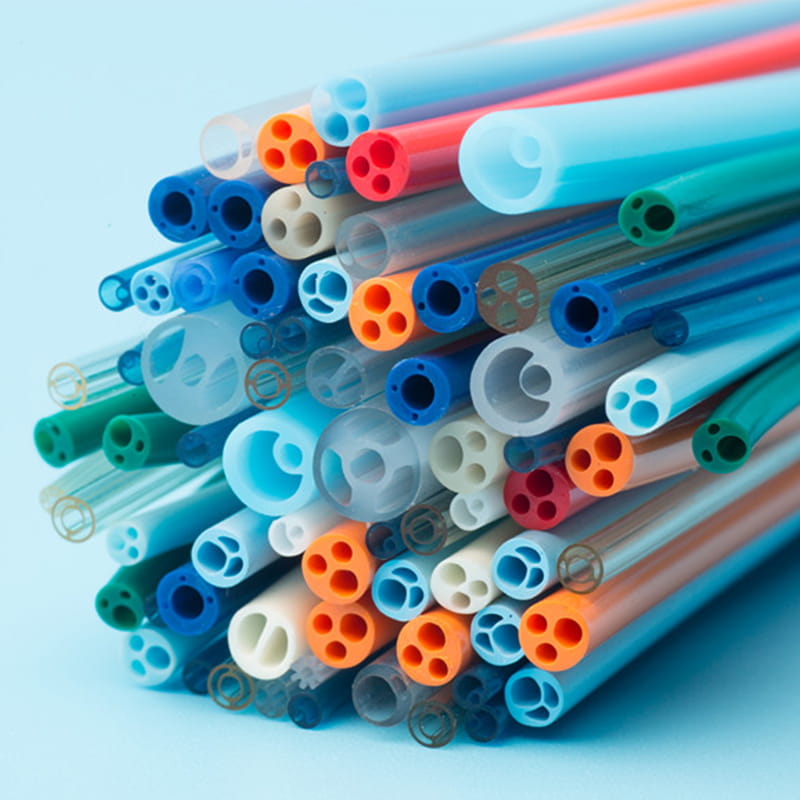
Medical PVC pipes offer exceptional plasticity, meaning they can be molded and shaped through heating and pressure. This property makes PVC pipes highly adaptable for creating medical devices in a wide range of shapes and sizes, ensuring a customized fit for various applications like medical catheters, infusion tubes, and respiratory device connectors.
High Transparency
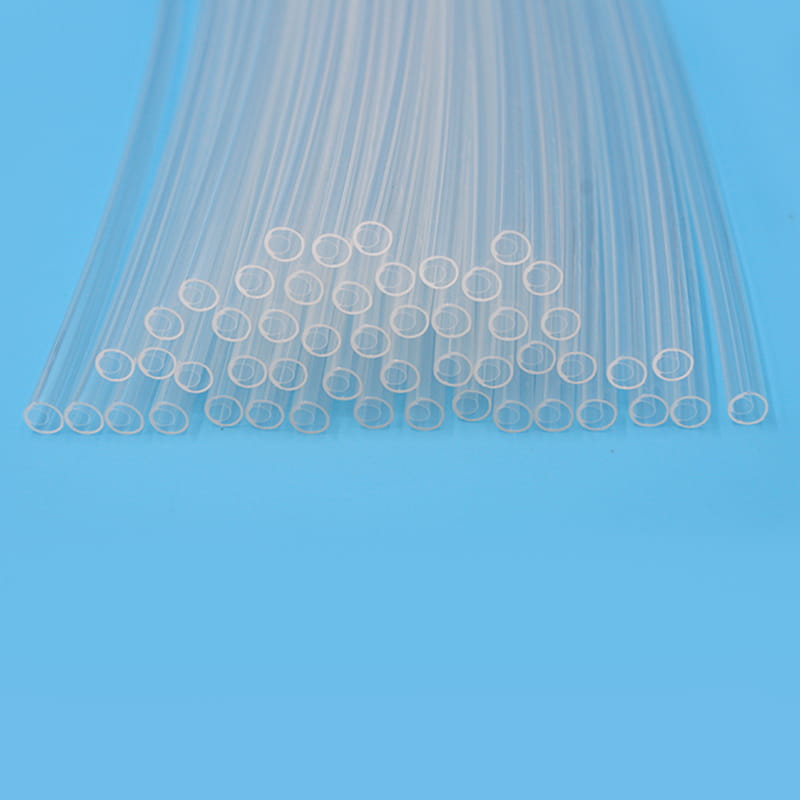
Transparency is crucial in medical applications, particularly for pipes involved in fluid or gas transport. The high transparency of medical PVC pipes allows medical professionals to monitor the flow of fluids, such as medications or blood, through the tubes. This feature is especially valuable in environments like hospitals and clinics, where real-time observation is necessary for patient safety and effective medical procedures.
Pressure Resistance
Medical PVC pipes exhibit strong pressure resistance, which is essential for high-pressure medical applications such as infusion, blood transfusion, and oxygen therapy. The ability to withstand significant internal pressures ensures the safety and reliability of the pipes in critical medical situations, reducing the risk of leaks or ruptures.
Applications of Medical PVC Pipes
Blood Transfusion
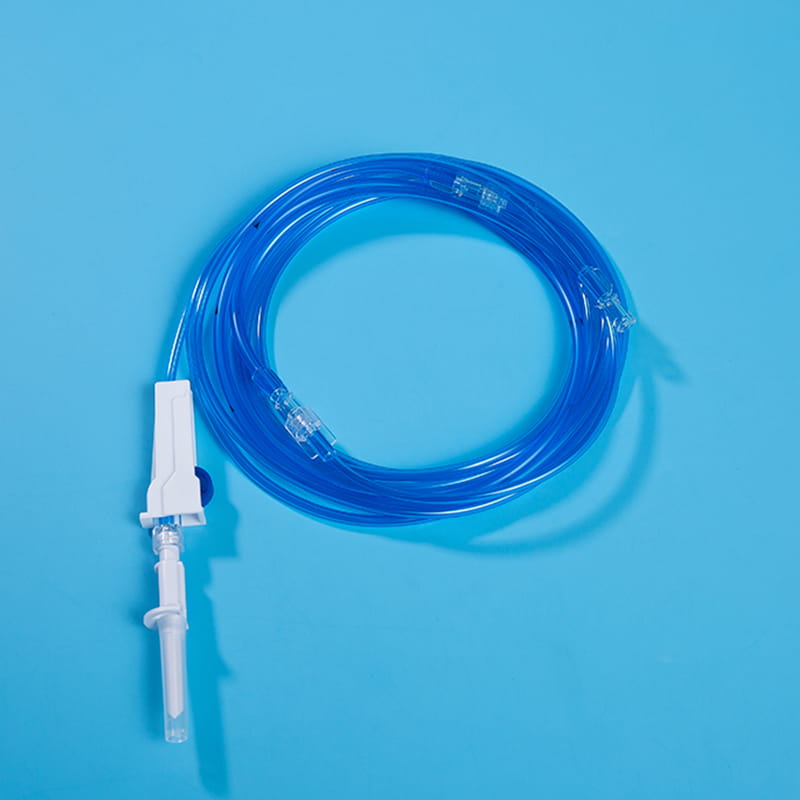
Medical PVC pipes are commonly used as infusion tubes in blood transfusion equipment. The high transparency allows healthcare professionals to monitor the blood flow easily, ensuring the procedure is safe and effective. The pipes’ resistance to corrosion and ability to withstand high pressures also make them ideal for transporting blood without the risk of contamination or pipe failure.
Respiratory Assistance Equipment
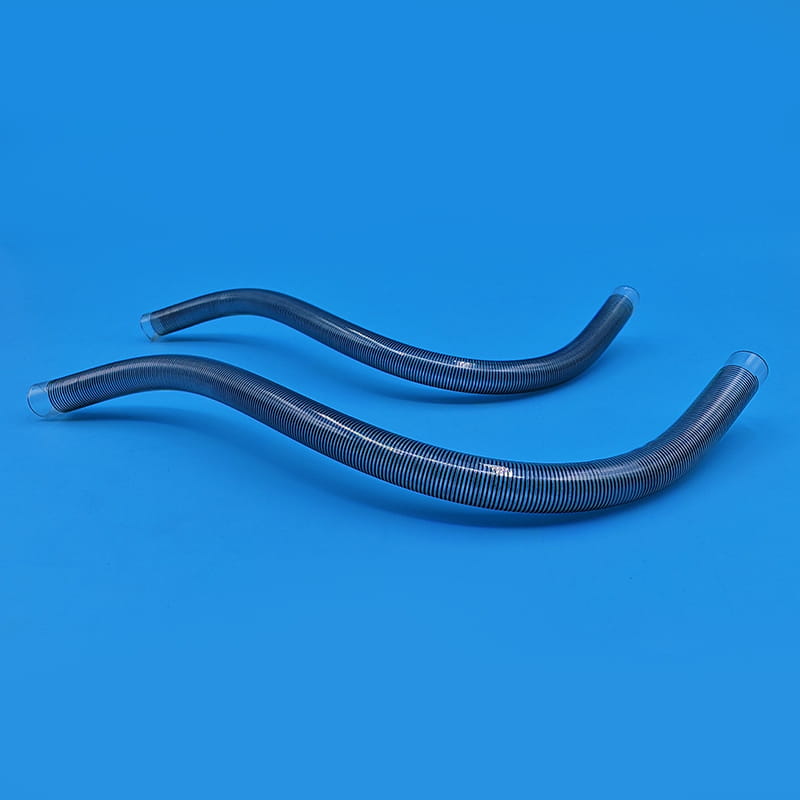
In respiratory equipment, medical PVC pipes are used to connect oxygen masks, ventilators, and other devices. These pipes help deliver life-sustaining oxygen or other gases to patients, especially those suffering from respiratory issues. PVC’s transparency and plasticity allow for easy customization, enabling the creation of tubing that fits different medical devices while ensuring sterility and durability.
Medical Catheters
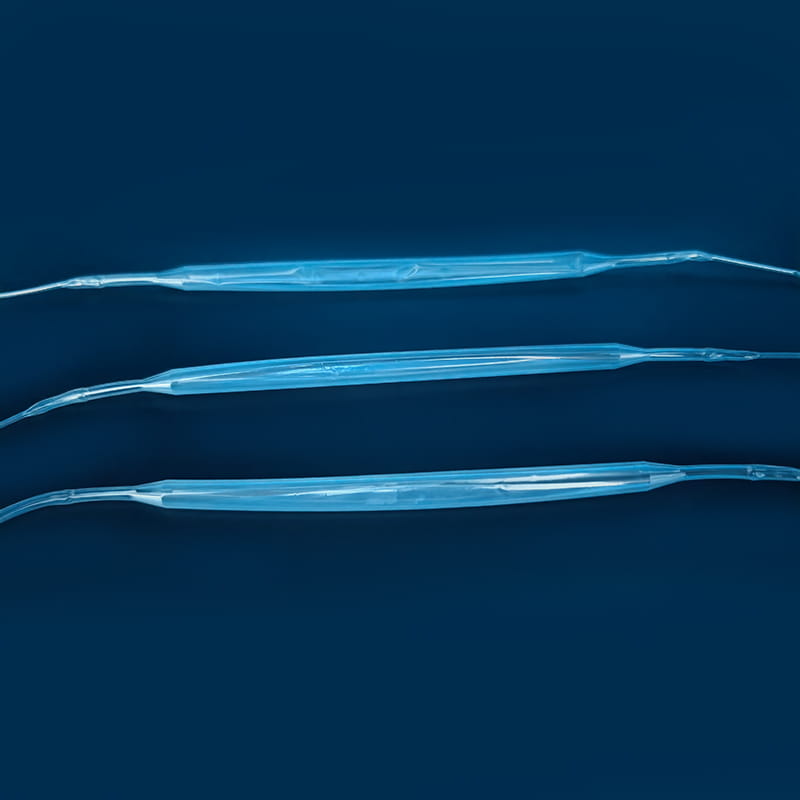
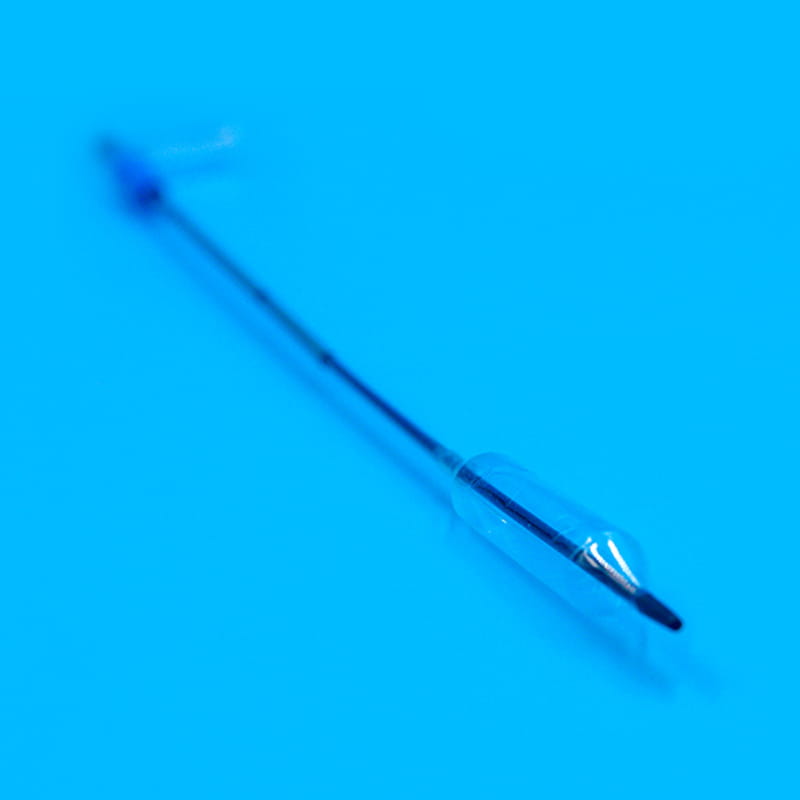
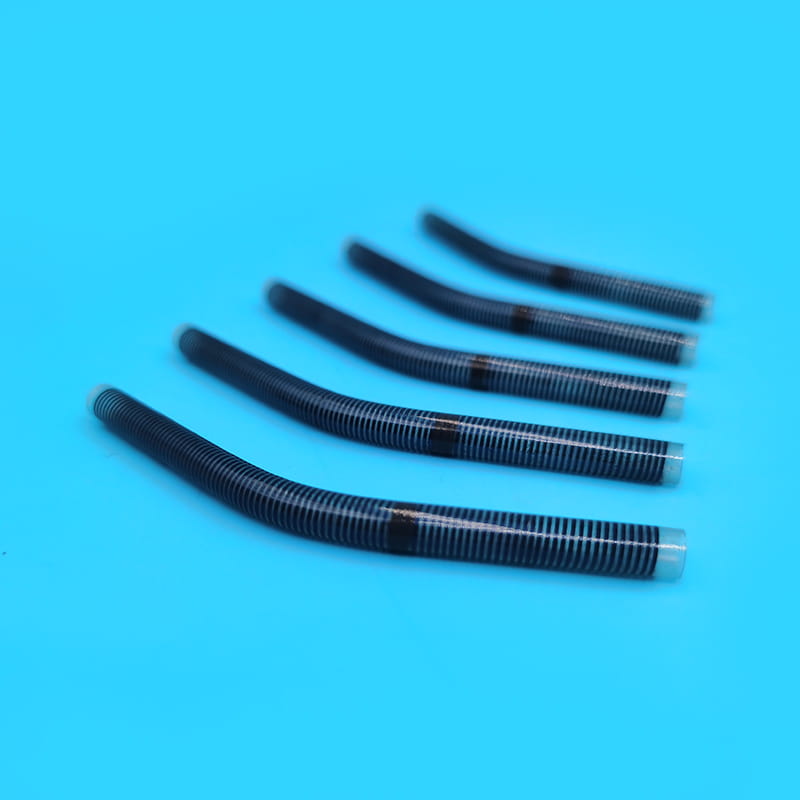
PVC pipes are widely used in the manufacturing of medical catheters. These flexible tubes are inserted into the body to administer medications, fluids, or for diagnostic purposes. The high transparency of medical PVC pipes makes it easier for medical staff to monitor fluid flow and detect any blockages or irregularities. Additionally, PVC’s chemical resistance ensures that the catheter does not interact with the drugs or body fluids, maintaining safety and effectiveness during use.
Contrast Agent Injection Systems
Medical PVC pipes are essential in contrast agent injection systems used during imaging procedures like CT scans and MRIs. These pipes are used in the catheters that deliver contrast agents into the body, enabling clearer imaging for diagnosis. The high-pressure resistance of medical PVC pipes is crucial in ensuring the safe and controlled delivery of these agents.
Advantages of Medical PVC Pipes in Sterile Environments
In sterile environments, such as operating rooms or intensive care units, maintaining a high level of cleanliness and infection control is paramount. Medical PVC pipes offer several advantages in these settings:
-
Ease of Sterilization: PVC pipes can be easily sterilized using heat or chemical treatments, ensuring they meet the strict hygiene standards required in healthcare settings.
-
Durability and Long-Term Use: The ability to withstand wear and tear, along with their corrosion resistance, ensures that PVC pipes last longer than many other materials used in medical applications. This reduces the frequency of replacements and maintenance costs.
-
Safety: The non-reactive nature of medical PVC pipes ensures that there is no interaction between the material and the drugs or biological substances passing through them. This makes them ideal for use in environments where the risk of contamination needs to be minimized.
How Medical PVC Pipes Compare to Other Materials
Medical PVC pipes are often compared to other materials like silicone, rubber, and stainless steel. Below is a comparison table outlining the properties and advantages of medical PVC pipes over alternative materials:
| Property | Medical PVC Pipe | Silicone | Rubber | Stainless Steel |
|---|---|---|---|---|
| Corrosion Resistance | Excellent | Good | Moderate | Excellent |
| Plasticity | High (moldable) | Moderate | High | Low |
| Transparency | High | Low | Low | None |
| Pressure Resistance | High | Low | Moderate | High |
| Sterilization | Easy (heat & chemical) | Moderate | Difficult | Easy |
| Cost | Low | High | Low | High |
FAQ
1. What is the primary use of medical PVC pipes?
Medical PVC pipes are primarily used for fluid and gas transport in medical equipment, such as blood transfusion tubes, catheters, and respiratory devices.
2. Are medical PVC pipes safe for use in sterile environments?
Yes, medical PVC pipes are safe for use in sterile environments due to their ease of sterilization, corrosion resistance, and long-term durability.
3. How do medical PVC pipes compare to other materials like silicone?
While both materials offer benefits, medical PVC pipes are more transparent, easier to sterilize, and more cost-effective than silicone, making them a popular choice for many medical applications.
4. Can medical PVC pipes withstand high pressure?
Yes, medical PVC pipes have high-pressure resistance, making them suitable for applications like blood transfusion and oxygen delivery, where pressure can be a concern.
5. Are medical PVC pipes reusable?
Medical PVC pipes can be sterilized and reused, depending on their application. In some cases, they may be disposed of after a single use, especially in critical procedures.
For more information, please call us at +86-18913710126 or email us at [email protected].
Polyimide tubing has become indispensable in modern medical device engineering. From minimally inv...
Understanding FEP Guidewire Protective Sheath Tubing Minimally invasive medical procedures have re...
A medical peristaltic pump tube is a specialized fluid transfer component designed for accurate, st...
The Evolution of Catheter Visualization Technology Minimally invasive procedures have fundamentally...
Understanding Medical Catheters in Modern Healthcare Medical devices have revolutionized patient ca...
A straight catheter reaches most of the airway, but the last centimeter into a tracheostomy branch...