
 English
  عربى
عربى  中文简体
中文简体  русский
  Français
  Deutsch
 Medical Precision Catheter Guide: How to Choose the Right Device
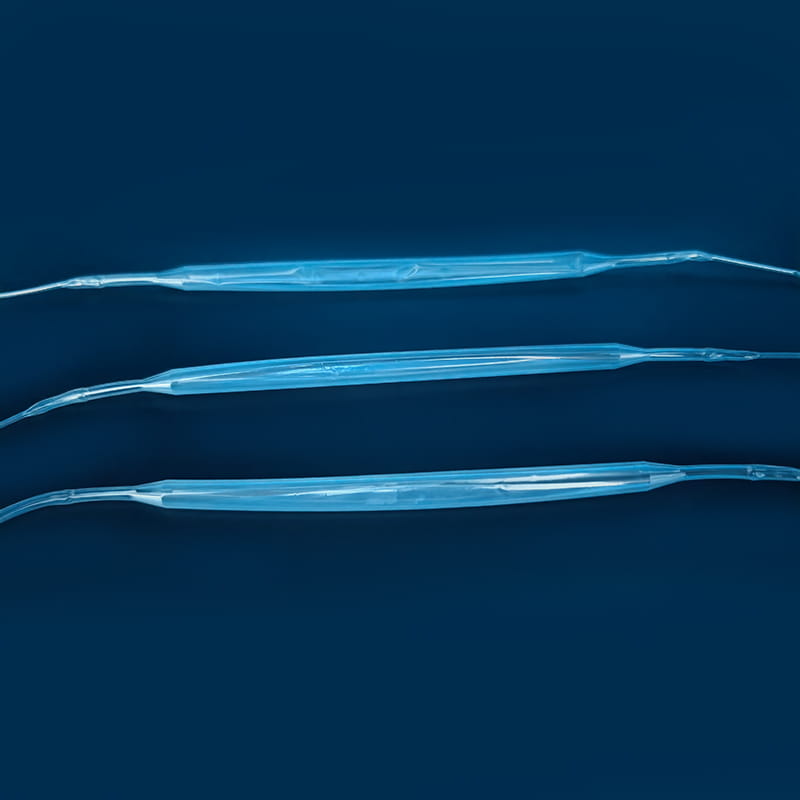
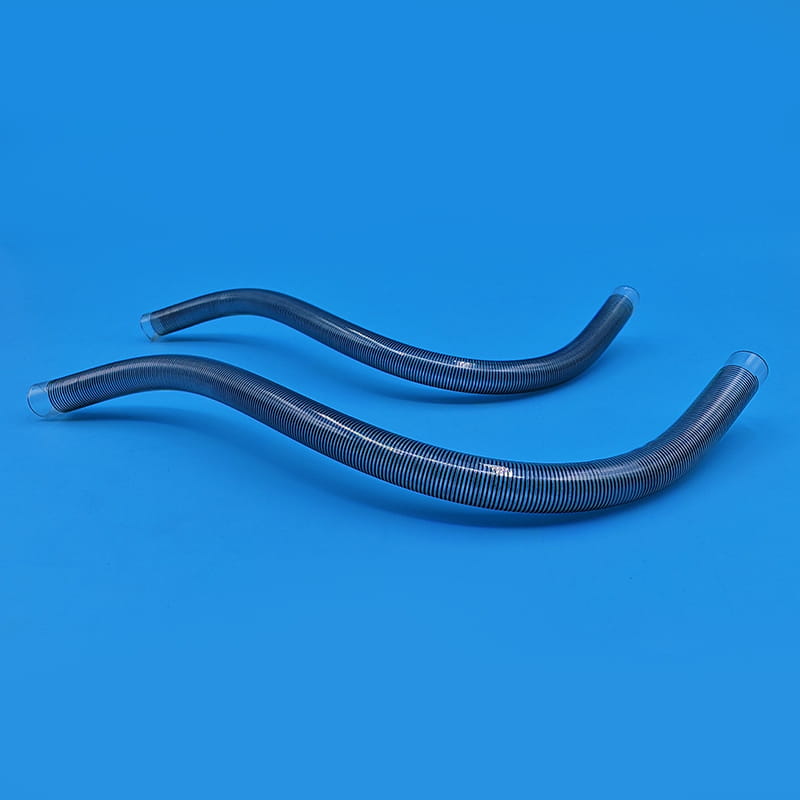
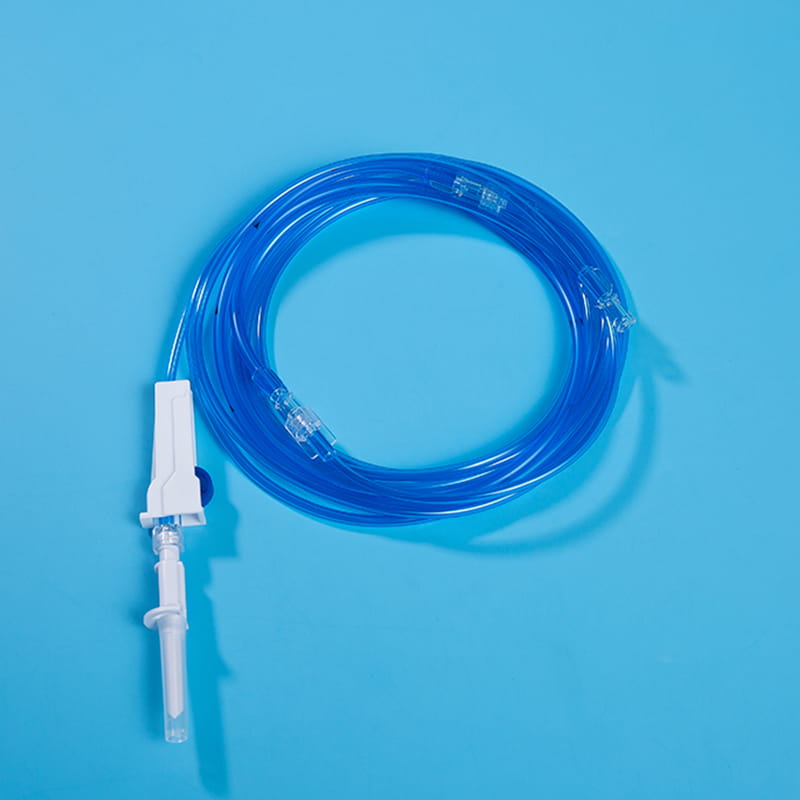
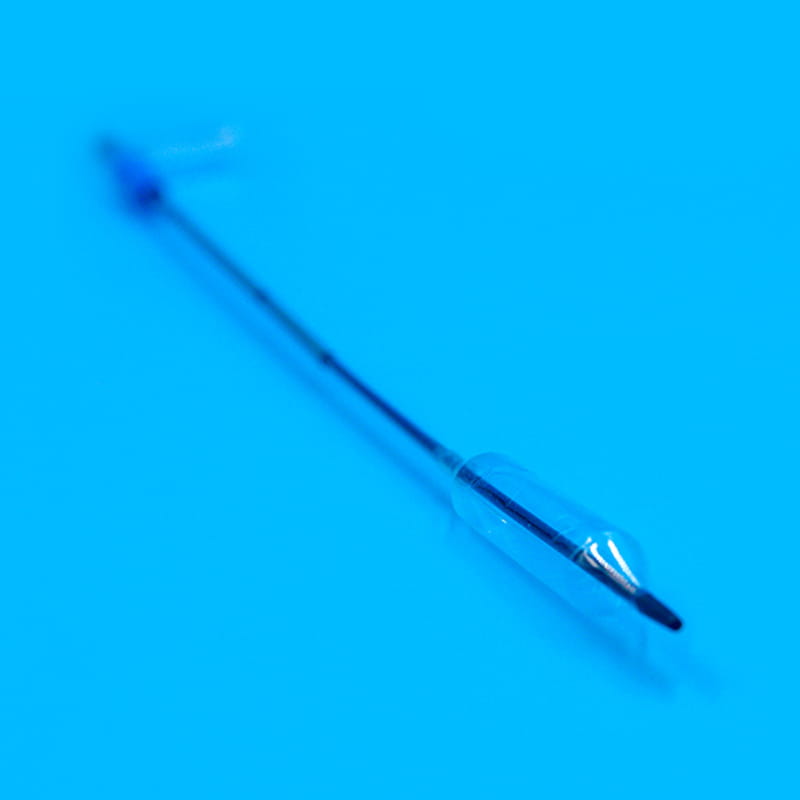
A medical precision catheter is manufactured to exacting dimensional tolerances so clinicians can navigate complex anatomical pathways with confidence, whether the goal is fluid delivery, drainage, diagnostic access, or minimally invasive treatment. Selecting the right catheter means weighing material biocompatibility, flexibility, and manufacturing quality control against the specific clinical procedure it will support.
Typical Dimensional Tolerance
Cleanroom Production Standard
Sterility Validated Batches
What Is a Medical Precision Catheter?
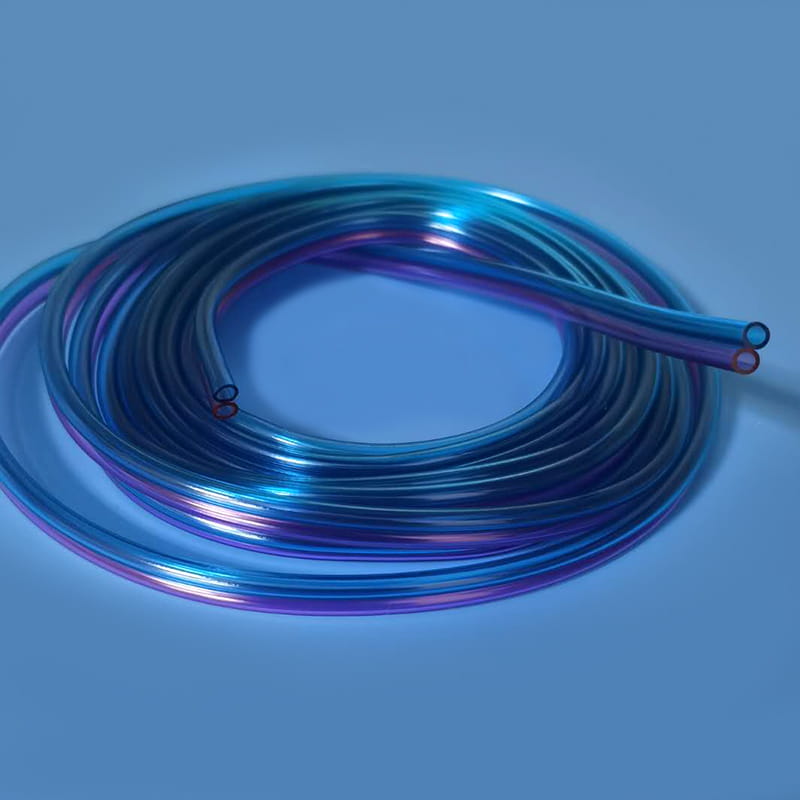
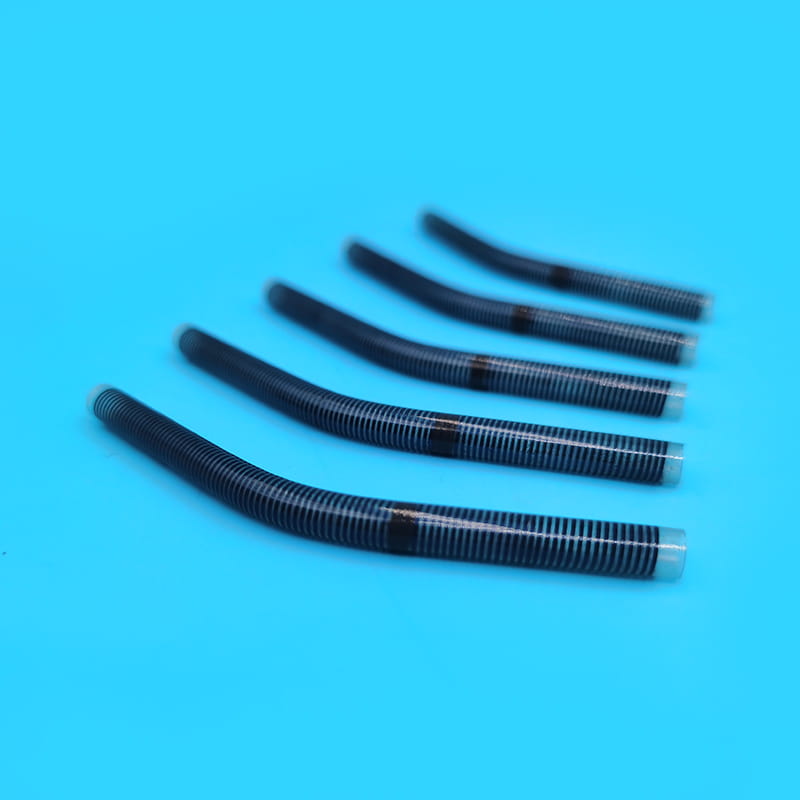
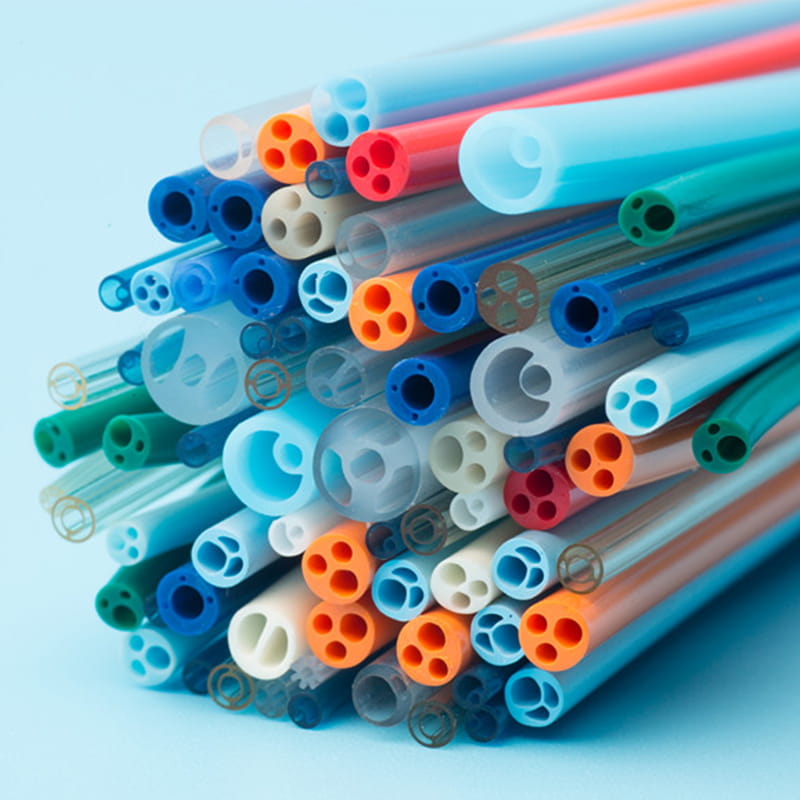
A medical precision catheter is a specialized tube-form device built from medical-grade polymers such as silicone, polyurethane, or nylon-based composites, manufactured to controlled dimensions so it can be inserted into the body to deliver medication, drain fluid, guide instruments, or support diagnosis. The shaft, tip section, connector hub, and any reinforcement or coating layers are engineered together so the finished device holds a smooth surface finish, predictable flexibility, and stable performance under clinical handling.
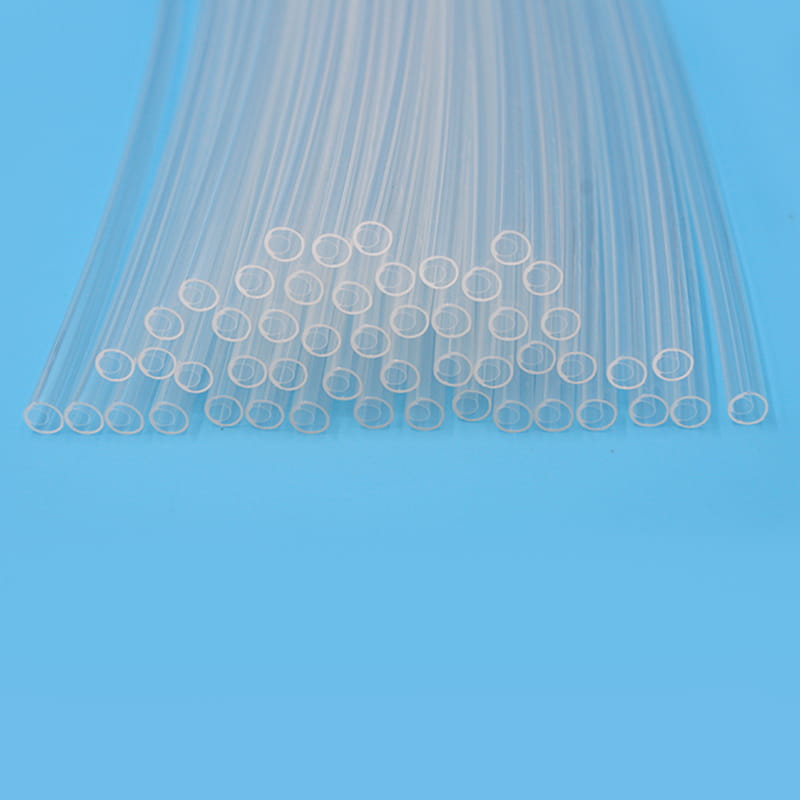
Unlike general-purpose medical tubing, a precision catheter is produced with tight dimensional accuracy on outer diameter, inner diameter, wall thickness, and length, because even small variances can affect flow rate, insertion force, or positioning accuracy during a procedure.
Why Precision Manufacturing Matters
- Dimensional accuracy. Tight tolerances on diameter and wall thickness keep flow rate and insertion behavior consistent from unit to unit.
- Flexibility with strength. Advanced polymer formulations bend through anatomical curves without kinking or losing structural integrity.
- Biocompatibility. Medical-grade materials are selected and tested to minimize adverse tissue reaction during clinical use.
- Low-friction surface. Precision surface treatment reduces resistance during insertion, easing the procedure for both clinician and patient.
Clinical note: a medical precision catheter sourced from a cleanroom-certified manufacturer reduces device failure risk across cardiovascular, urology, and neurological procedures alike.
Where These Catheters Are Used
Cardiovascular teams depend on precision catheters for vascular access and interventional treatment, where controlled navigation through vessels is non-negotiable. Urology departments use them for drainage and treatment support requiring reliable, consistent fluid flow, while neurology teams require the most flexible and precisely dimensioned devices available for neurovascular intervention.
Diagnostics and Drug Delivery
Diagnostic teams rely on catheters for sampling and imaging-assisted procedures where accurate positioning drives result quality, and infusion systems use precision catheters to keep medication delivery controlled and stable over the full treatment period.
Precision Catheters vs Traditional Medical Tubing
| Feature | Precision Catheter | Traditional Medical Tubing |
| Dimensional accuracy | High, tightly controlled | General manufacturing tolerance |
| Flexibility | Optimized for anatomical navigation | Limited flexibility |
| Application range | Intervention, diagnosis, drug delivery, surgery | Basic fluid transfer |
| Quality control | Cleanroom production, sterility testing | Standard medical handling |
How to Choose the Right Catheter
Match It to the Clinical Application
Start with the procedure itself: cardiovascular intervention, urology drainage, neurological access, or drug delivery each demands a different structure, tip design, and flexibility profile. Confirm the catheter's flow performance, tensile strength, and burst pressure rating fit the procedure environment.
Vet the Manufacturer
Prioritize suppliers with cleanroom production facilities, a documented quality management system, and regulatory compliance experience. Manufacturing steps including precision extrusion, tip forming, surface treatment, and sterile packaging should all be traceable through the supplier's quality documentation.
Key Takeaways
Choosing a medical precision catheter comes down to matching material, dimensional accuracy, and flexibility to the clinical procedure, then confirming the manufacturer's cleanroom and testing standards back up that precision. Getting this right directly reduces procedural risk and improves outcomes across cardiovascular, urology, neurology, and diagnostic applications.
For more information, please call us at +86-18913710126 or email us at [email protected].
Polyimide tubing has become indispensable in modern medical device engineering. From minimally inv...
Understanding FEP Guidewire Protective Sheath Tubing Minimally invasive medical procedures have re...
A medical peristaltic pump tube is a specialized fluid transfer component designed for accurate, st...
The Evolution of Catheter Visualization Technology Minimally invasive procedures have fundamentally...
Understanding Medical Catheters in Modern Healthcare Medical devices have revolutionized patient ca...
A straight catheter reaches most of the airway, but the last centimeter into a tracheostomy branch...