
 English
  عربى
عربى  中文简体
中文简体  русский
  Français
  Deutsch
 What is a Medical TPU Tube and Why is It Important in Healthcare?
In the healthcare industry, the importance of selecting the right materials for medical devices cannot be overstated. Among the various materials used, thermoplastic polyurethane (TPU) has become a key component in many medical applications, particularly in medical tubing. TPU tubes are widely used in a variety of medical devices and procedures due to their unique properties, such as flexibility, durability, and resistance to wear and tear.
What is a Medical TPU Tube?
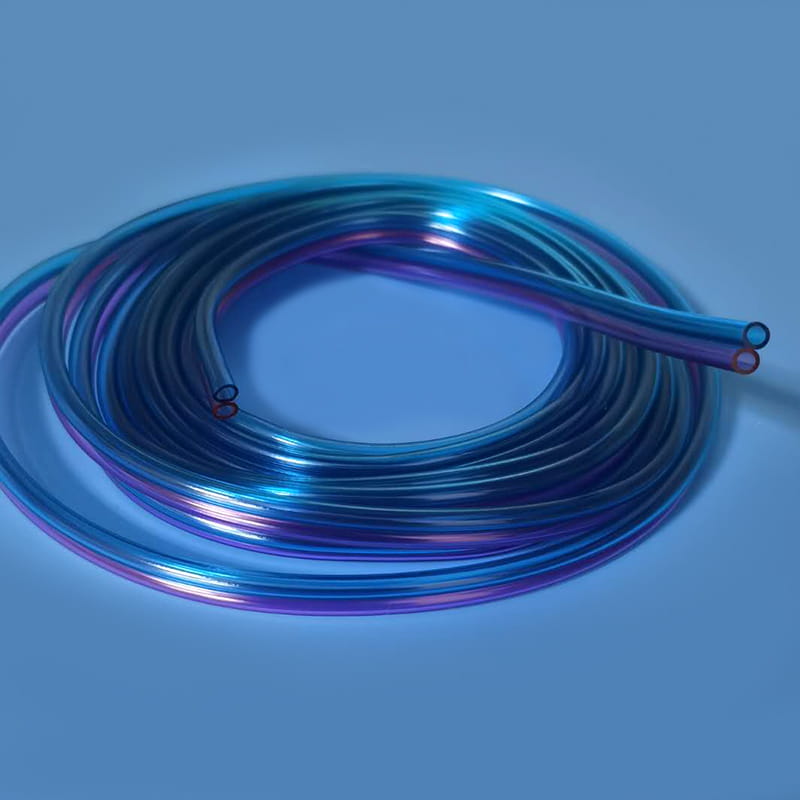
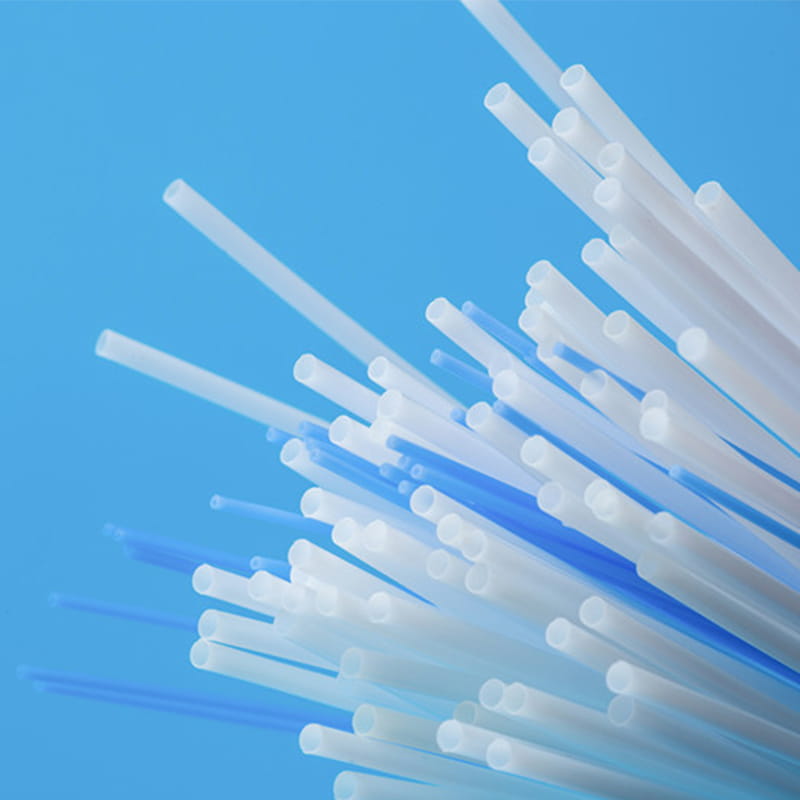
A medical TPU tube is a type of tubing made from thermoplastic polyurethane, a versatile, high-performance material known for its flexibility, elasticity, and durability. TPU is a class of polymers that combine the qualities of both rubber and plastic, making it an ideal material for medical applications where flexibility and strength are required.
The key characteristics of TPU tubes that make them suitable for medical use include:
- Biocompatibility: TPU is non-toxic, making it safe for direct contact with the human body.
- Flexibility and elasticity: TPU tubes are highly flexible, allowing them to be bent and maneuvered easily without kinking.
- Durability: TPU tubes are resistant to abrasion, wear, and damage, which ensures a longer lifespan in medical devices.
- Chemical resistance: TPU can withstand exposure to various chemicals, making it suitable for sterilization and use in environments where harsh substances are present.
- Sterilization capability: TPU tubes can be sterilized through methods such as autoclaving, ensuring they are free from contaminants before use.
These properties make TPU tubes an essential part of modern healthcare, where precision, reliability, and safety are paramount.
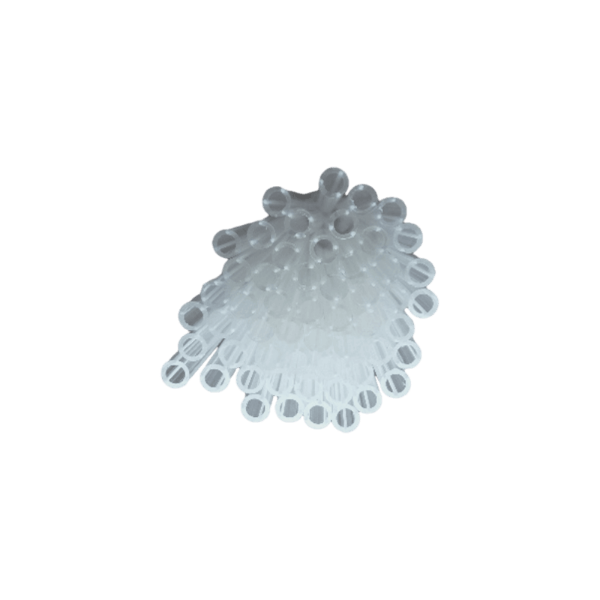
Why is TPU Important in Healthcare?
TPU tubes are used extensively across multiple areas of healthcare, playing a vital role in ensuring patient safety and improving the efficiency of medical procedures. Some of the primary reasons why TPU tubes are indispensable in healthcare include:
-
Patient Care and Safety: TPU tubes are used in a wide range of medical procedures where fluid or gas transport is required, such as in IV (intravenous) administration, catheters, and respiratory equipment. Their biocompatibility ensures that patients are not exposed to harmful materials, thus reducing the risk of allergic reactions or infections.
-
Compatibility with Sterilization: Since TPU tubes are resistant to high temperatures and chemicals, they can be sterilized effectively. This is a critical feature for ensuring that medical devices remain free from contaminants and can be used in multiple procedures without compromising patient safety.
-
Strength and Durability: The durability of TPU tubes is a major factor in their use in medical settings. In environments where constant movement or manipulation of equipment occurs, TPU tubes maintain their integrity and continue to perform effectively over time.
-
Cost-Effectiveness: While TPU tubes may cost more upfront than some other materials, their longevity and ability to withstand repeated sterilization processes make them a cost-effective choice in the long run. This is especially true in high-use environments like hospitals and clinics, where medical equipment is used frequently.
-
Flexibility and Easy Handling: TPU tubes are lightweight and flexible, making them easy to handle during medical procedures. Their flexibility allows for easier insertion into narrow or delicate areas of the body, such as in the case of catheters or endotracheal tubes.
Applications of Medical TPU Tubes
Medical TPU tubes are used in a wide range of applications, from basic healthcare to more specialized medical fields. Below are some key areas where TPU tubing is commonly used:
-
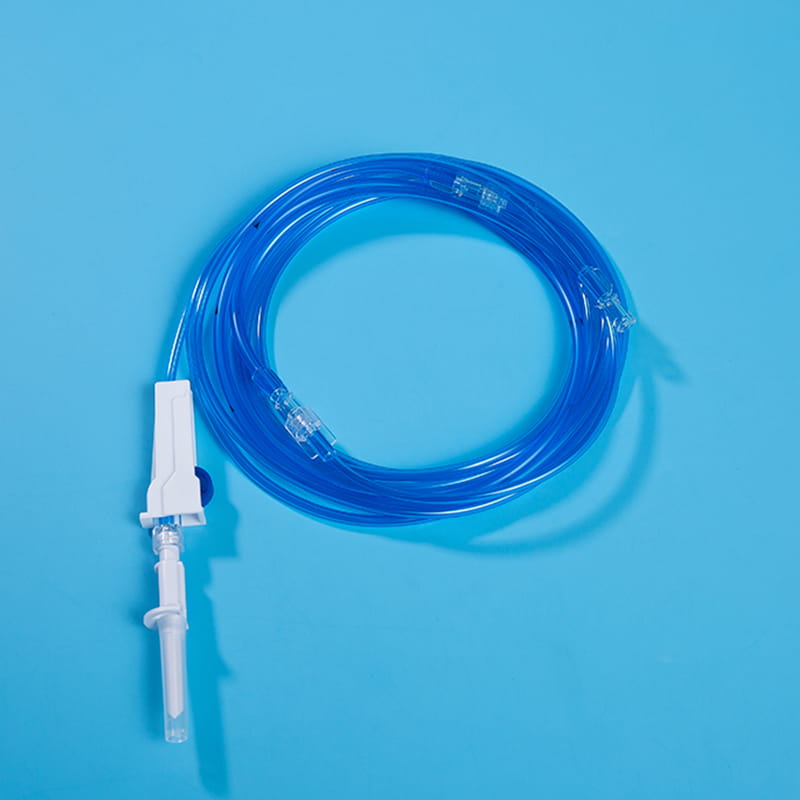
Infusion Therapy: TPU tubes are often used in IV therapy systems, where they are responsible for delivering fluids, medications, or nutrients to patients. Their flexibility and resistance to kinking make them ideal for use in intravenous lines.
-
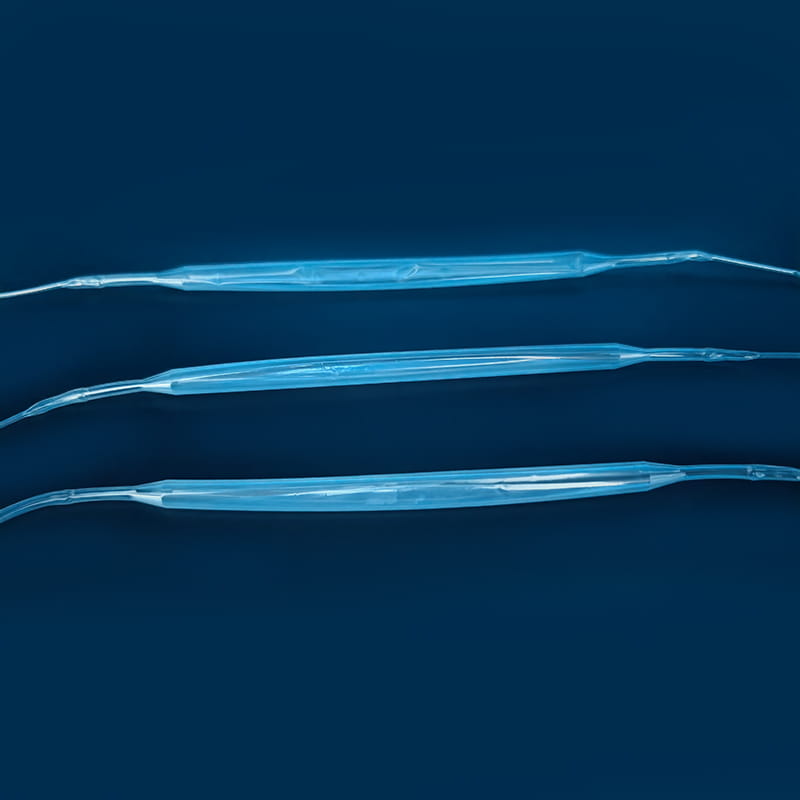
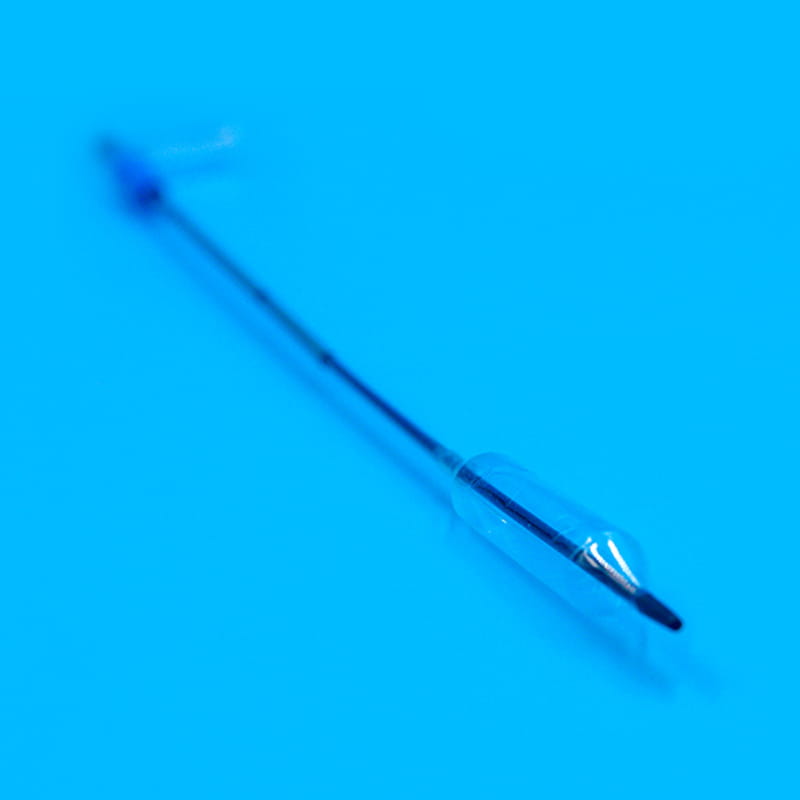
Catheters: TPU tubing is used in various types of catheters, including urinary catheters, central venous catheters, and balloon catheters. The material’s biocompatibility and flexibility allow these devices to be used safely and comfortably for extended periods.
-
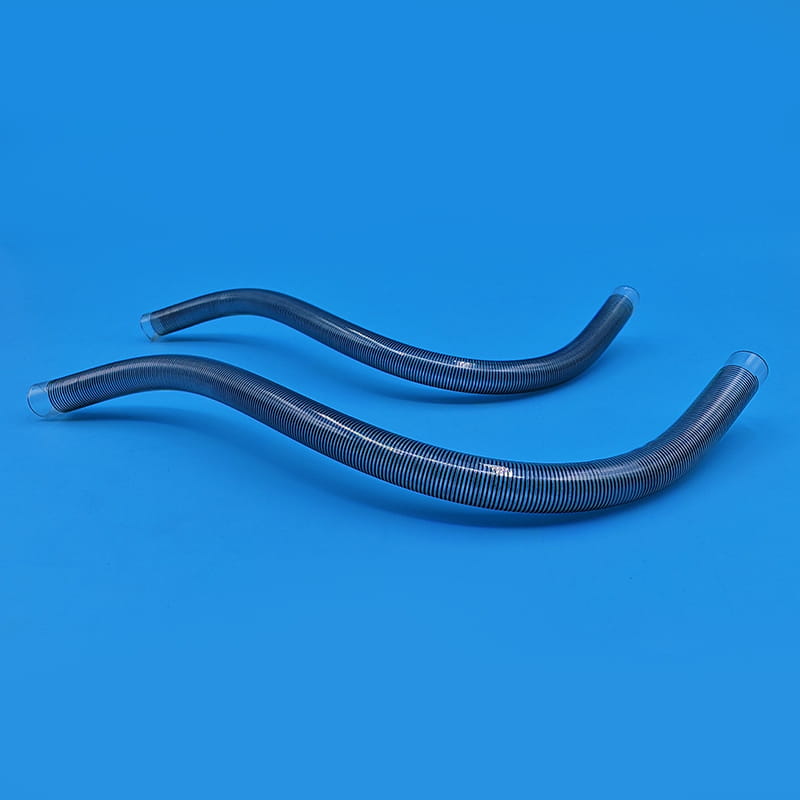
Breathing Tubes: In respiratory therapy, TPU tubes are employed in oxygen masks, ventilators, and other equipment designed to aid patients with breathing difficulties. The material’s chemical resistance and ability to withstand repeated sterilization are key to ensuring the reliability of these devices.
-
Wound Drainage: TPU tubes are used in drainage systems to remove fluids or air from body cavities or wounds. The flexibility of the material ensures that the tubes can conform to the body and provide effective drainage without causing damage to surrounding tissues.
-
Endoscopes and Medical Instruments: TPU tubing is also used in medical instruments such as endoscopes, where it provides the necessary flexibility for maneuvering through the body’s intricate systems.
Key Advantages of TPU Tubing in Healthcare
To further understand why TPU tubing is so widely used in healthcare, let’s summarize its key advantages:
| Feature | Advantage |
|---|---|
| Biocompatibility | Non-toxic and safe for long-term patient contact |
| Flexibility | Can be easily bent without kinking or damage |
| Durability | Resistant to wear and tear, ensuring longer life |
| Chemical Resistance | Withstands harsh chemicals, ideal for sterilization |
| Sterilization | Can be autoclaved or disinfected without degradation |
Conclusion
Medical TPU tubes have become a cornerstone in modern healthcare due to their exceptional properties of flexibility, durability, biocompatibility, and resistance to wear and tear. Whether used in infusion systems, respiratory devices, or catheterization procedures, these tubes provide the reliability and safety needed in critical medical environments. Their ability to withstand repeated sterilization processes ensures that they continue to perform effectively while maintaining patient safety.
By choosing materials like TPU, healthcare providers can ensure better patient outcomes, reduce the risk of complications, and improve the overall efficiency of medical treatments.
FAQ
1. What makes TPU tubes safe for use in medical applications?
TPU tubes are safe due to their biocompatibility, which means they do not cause toxic reactions when in contact with the human body. They are also resistant to bacteria and can withstand sterilization processes, ensuring they are safe for repeated use.
2. Can TPU tubes be used for both short-term and long-term medical applications?
Yes, TPU tubes are suitable for both short-term and long-term use due to their durability and flexibility. They are commonly used in devices that need to be in place for extended periods, such as catheters or infusion systems.
3. How do TPU tubes compare to other materials used in medical tubing?
Compared to other materials, TPU offers flexibility, durability, and chemical resistance. It also has the advantage of being easily sterilized, making it a reliable choice for medical devices that require regular cleaning.
4. Are TPU tubes recyclable?
Yes, TPU tubes can be recycled, which makes them a more environmentally friendly option compared to other materials that may not have the same level of recyclability.
5. How can TPU tubes be sterilized?
TPU tubes can be sterilized through several methods, including autoclaving, ethylene oxide sterilization, or using chemical disinfectants, making them highly adaptable to various medical environments.
For more information, please call us at +86-18913710126 or email us at [email protected].
Medical intervention in complex anatomical pathways demands precision, flexibility, and reliability...
What Is a Pressure Extension Tube and Why It Matters in Clinical Practice A pressure extension tube...
Polyimide tubing has become indispensable in modern medical device engineering. From minimally inv...
Understanding FEP Guidewire Protective Sheath Tubing Minimally invasive medical procedures have re...
A medical peristaltic pump tube is a specialized fluid transfer component designed for accurate, st...
The Evolution of Catheter Visualization Technology Minimally invasive procedures have fundamentally...