
 English
  عربى
عربى  中文简体
中文简体  русский
  Français
  Deutsch
 How Does the Profiled Braided Catheter Improve Patient Comfort and Safety?
In modern medicine, medical catheters are indispensable tools used in a wide range of treatments and diagnostic procedures. From vascular insertion to urinary drainage, catheters play a crucial role in various medical treatments. With the continuous advancement of technology, catheter designs, materials, and performance have significantly improved. One such innovation, the Profiled Braided Catheter, is gradually transforming the treatment outcomes and patient experiences in the medical industry due to its unique design and enhanced features.
What is a Profiled Braided Catheter?
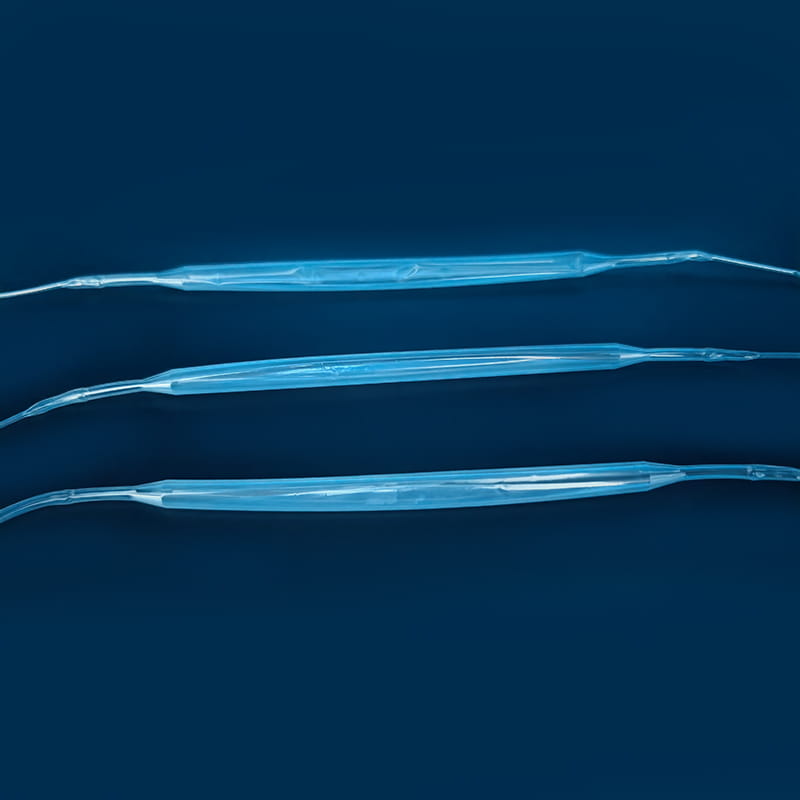
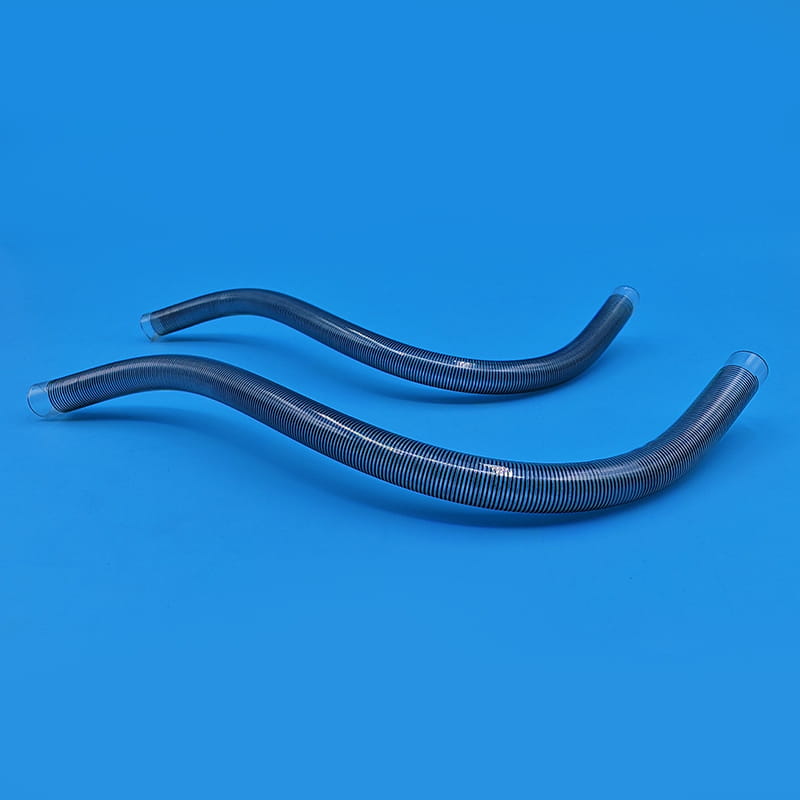
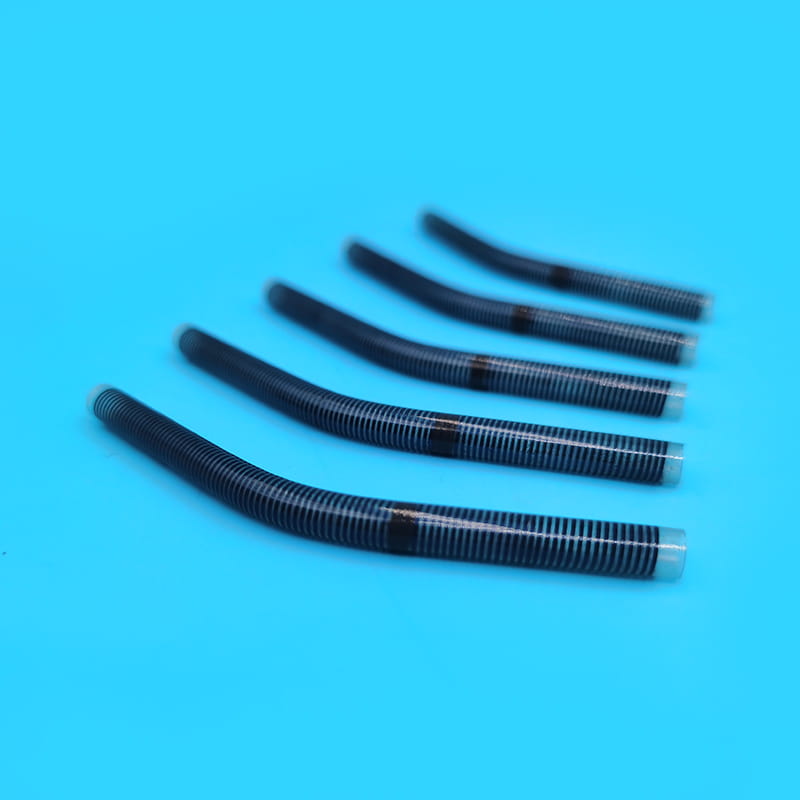
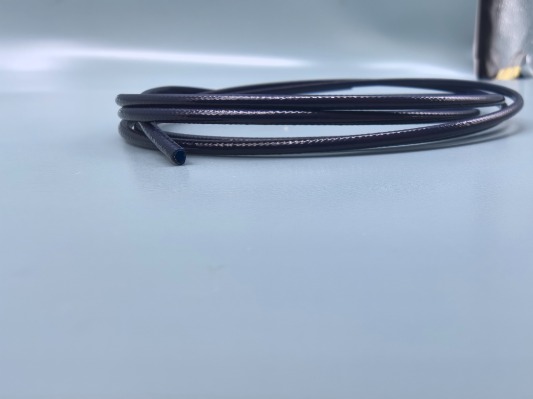
A Profiled Braided Catheter is a medical catheter designed with a braided structure and a specifically profiled cross-sectional shape. It is typically used in medical procedures requiring high flow rates and stability. The notable feature of this catheter is the combination of its inner and outer walls with braided materials, which enhances fluid transmission while maintaining flexibility and durability.
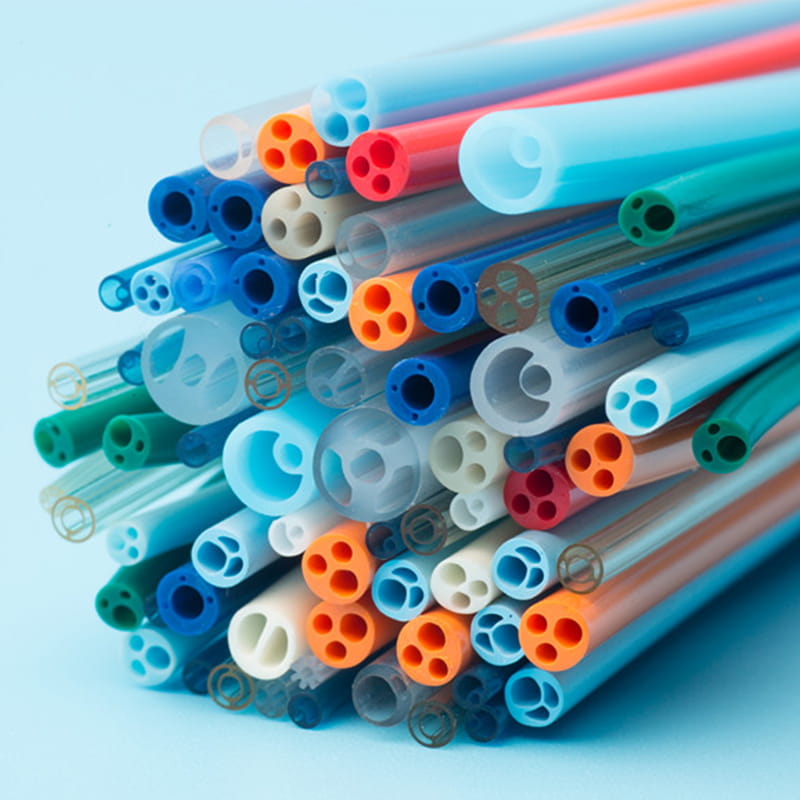
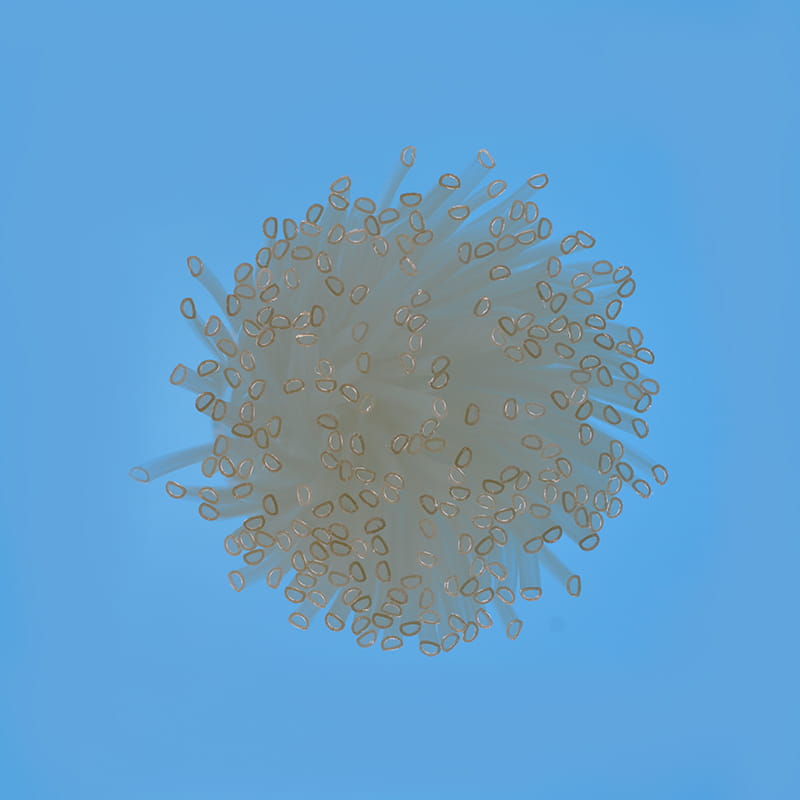
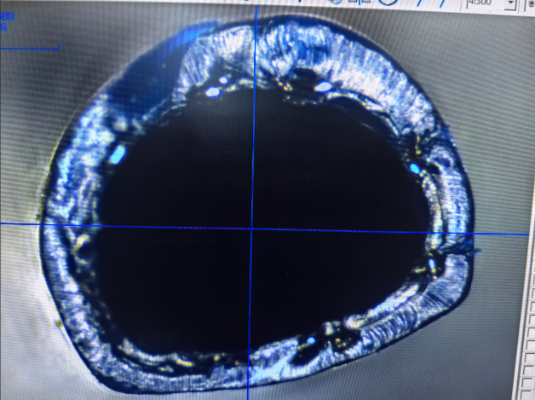
The “profiled” aspect of this catheter refers to the fact that its cross-section is not a simple circle, but rather a specially designed shape, such as an ellipse, polygon, or other non-circular forms. The braided layer adds strength, enabling the Profiled Braided Catheter to withstand both internal and external pressures, maintaining its shape and function even under stress.
Advantages of the Profiled Braided Catheter Design
-
High Flow Capacity
One of the primary advantages of the Profiled Braided Catheter is its ability to handle high fluid flow. This design reduces fluid resistance, making it ideal for medical procedures requiring high or fast flow rates, such as emergency infusions, perfusions, and complex vascular interventions. -
Enhanced Flexibility and Operability
The braided structure allows the catheter to be more flexible than traditional catheters, making it easier to navigate complex anatomical structures without bending, kinking, or breaking. This characteristic is especially useful for delicate procedures, such as endoscopic surgeries or urinary catheter insertions. -
Durability and Pressure Resistance
The braided structure provides additional compressive strength, allowing the catheter to withstand high internal and external pressures without deforming or rupturing. This makes it ideal for long-term use, such as in hemodialysis or long-term venous catheters. -
Precise Profiling
The profiled design optimizes the pressure distribution of the fluid inside the catheter, which can reduce the risk of damage to blood vessels or surrounding tissues. This feature is especially valuable in specialized treatments like interventional radiology, where precise catheter placement and fluid control are critical.
Applications of the Profiled Braided Catheter
-
Vascular Intervention
The Profiled Braided Catheter is widely used in vascular intervention surgeries such as coronary interventions, brain vascular procedures, and other arterial or venous catheterizations. Its high-flow capacity and pressure resistance make it ideal for rapid infusion or injection during critical procedures. -
Urinary Drainage
In urinary drainage, the Profiled Braided Catheter is commonly used for both short-term and long-term urethral catheterization. Its unique design minimizes the risk of urethral injury, improves patient comfort, and reduces the occurrence of complications. -
Respiratory Management
In certain respiratory management procedures, Profiled Braided Catheter plays an important role. Especially in situations requiring high-flow gas delivery or respiratory drainage, using this catheter ensures smooth airflow and enhances respiratory efficiency. -
Drug Infusion and Chemotherapy
The Profiled Braided Catheter is also useful in drug infusion and chemotherapy applications. Due to its chemical resistance and durability, it can handle long-term drug infusion without degradation, ensuring the stability and safety of the treatment process.
Key Technological Features of the Profiled Braided Catheter
| Feature | Description |
|---|---|
| Profiled Design | Optimized cross-section enhances fluid transmission efficiency and even pressure distribution. |
| Braided Structure | Provides compressive strength and flexibility, preventing kinking or damage during use. |
| Chemical Resistance | The braided material allows it to withstand a wide range of drugs and chemicals, ideal for chemotherapy. |
| Flow Capacity | High flow rates for procedures requiring rapid fluid infusion or drainage. |
| Mechanical Stability | Good pressure resistance and anti-kink properties ensure long-term reliability and safety during use. |
Advantages and Challenges of the Profiled Braided Catheter in Clinical Applications
Advantages:
-
Improved Patient Comfort
The Profiled Braided Catheter is designed with patient comfort in mind. The flexible braided structure significantly reduces discomfort during catheter insertion and use, which is particularly beneficial for long-term catheterization patients. -
Enhanced Treatment Effectiveness
Its high-flow capacity and precise profiled design provide more effective treatments in procedures such as fluid infusion, vascular intervention, and more, reducing complication rates and speeding up the treatment process.
Challenges:
-
Higher Costs
Compared to traditional catheters, Profiled Braided Catheters are more expensive due to the advanced materials and technology involved in their manufacturing. This could limit their adoption in certain regions or among institutions with limited budgets. -
Higher Technical Requirements
While this catheter offers numerous benefits, its use requires a higher level of technical expertise. Medical professionals must be well-trained to handle the catheter correctly, which may require additional training for some healthcare providers.
FAQ
1. What are the main advantages of a Profiled Braided Catheter over traditional catheters?
The Profiled Braided Catheter offers higher flow capacity, better flexibility, and increased durability. Its profiled design reduces fluid transmission resistance and evenly distributes pressure, which enhances patient safety and treatment effectiveness.
2. What medical procedures benefit from using a Profiled Braided Catheter?
This catheter is ideal for high-flow medical procedures such as vascular interventions, urinary drainage, respiratory management, and drug infusion. It is particularly useful in surgeries or treatments that require precise fluid control and minimal patient discomfort.
3. What are the potential downsides of using a Profiled Braided Catheter?
The primary drawbacks include its higher cost compared to traditional catheters and the need for more specialized training for healthcare professionals to ensure proper usage.
4. Is the Profiled Braided Catheter suitable for long-term use?
Yes, the Profiled Braided Catheter is highly durable and designed for long-term use, particularly in cases such as hemodialysis, intravenous access, and other extended catheterizations.
5. How does the Profiled Braided Catheter improve patient comfort during use?
Due to its braided structure, the Profiled Braided Catheter is more flexible and less likely to kink, which reduces discomfort during insertion and use. This is especially important for patients requiring long-term catheterization.
Conclusion
The Profiled Braided Catheter, with its innovative design and functionality, is transforming the landscape of modern medical treatments. Its ability to handle high-flow rates, provide greater flexibility, and maintain durability in complex procedures makes it a valuable tool in a wide range of medical applications.
For more information, please call us at +86-18913710126 or email us at [email protected].
Medical intervention in complex anatomical pathways demands precision, flexibility, and reliability...
What Is a Pressure Extension Tube and Why It Matters in Clinical Practice A pressure extension tube...
Polyimide tubing has become indispensable in modern medical device engineering. From minimally inv...
Understanding FEP Guidewire Protective Sheath Tubing Minimally invasive medical procedures have re...
A medical peristaltic pump tube is a specialized fluid transfer component designed for accurate, st...
The Evolution of Catheter Visualization Technology Minimally invasive procedures have fundamentally...