
 English
  عربى
عربى  中文简体
中文简体  русский
  Français
  Deutsch
 Medical TPU Tubes: A Safer Alternative to Traditional Tubing Materials
Introduction
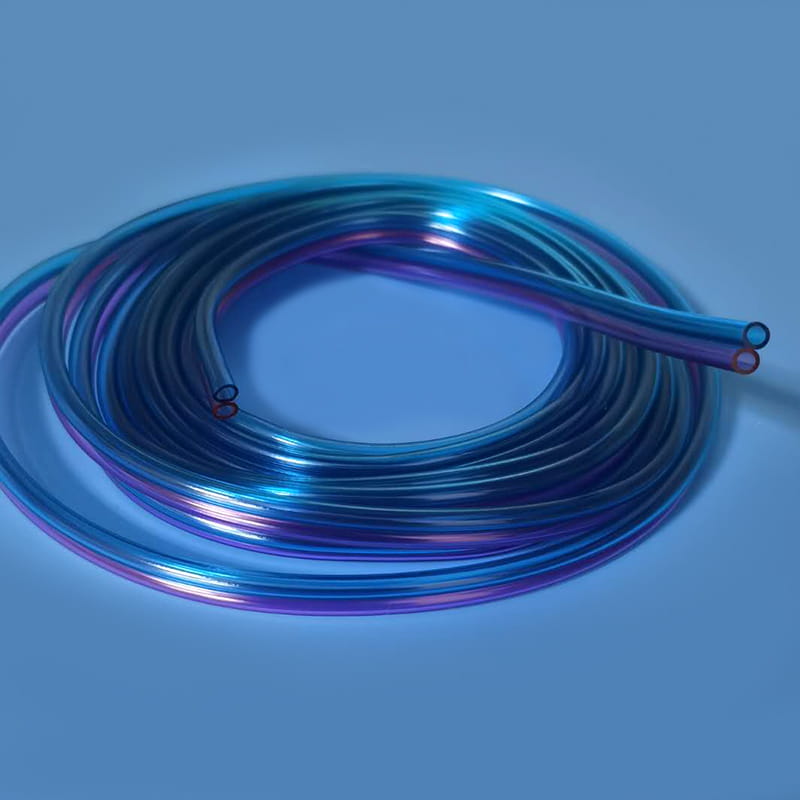
What defines safety and reliability in modern medical tubing, and how can advanced materials address the limitations of traditional options without compromising performance or patient comfort? As healthcare systems continue to evolve, the demand for high-performance, biocompatible, and durable materials has intensified. Among the emerging solutions, the medical TPU tube has gained significant attention for its balanced properties and adaptability across a wide range of medical applications.
Medical tubing plays a critical role in fluid transfer, drug delivery, respiratory support, and minimally invasive procedures. Traditional materials such as PVC, silicone, and rubber have long dominated the field. However, these materials often present challenges related to flexibility, chemical resistance, environmental impact, or long-term stability. The introduction of thermoplastic polyurethane (TPU) has redefined expectations, offering a safer and more versatile alternative.
Understanding Medical TPU Tube Technology
Thermoplastic polyurethane is a class of elastomeric materials known for combining the elasticity of rubber with the processing advantages of thermoplastics. In medical applications, TPU is engineered to meet strict requirements for safety, durability, and compatibility with human tissues.
A medical TPU tube is designed to deliver performance under demanding conditions. Its structure allows it to maintain flexibility while resisting deformation, making it suitable for both short-term and long-term medical use. Unlike some traditional materials, TPU can be precisely customized in terms of hardness, transparency, and surface characteristics.
Key material characteristics include:
- High elasticity and resilience
- Excellent abrasion resistance
- Strong chemical and oil resistance
- Consistent mechanical stability
- Compatibility with sterilization processes
These features make TPU an adaptable solution for applications ranging from infusion systems to catheter components.
Limitations of Traditional Tubing Materials
Before understanding the advantages of TPU, it is essential to evaluate the common challenges associated with traditional tubing materials.
1. PVC (Polyvinyl Chloride)
PVC has been widely used due to its affordability and ease of processing. However, it often requires plasticizers to achieve flexibility. Over time, these additives may migrate, raising concerns about long-term safety and material stability.
2. Silicone
Silicone offers biocompatibility and flexibility, but it can lack mechanical strength. It is also more prone to tearing and may not perform well under high-pressure conditions.
3. Rubber
Rubber materials provide elasticity but can suffer from aging, cracking, and limited resistance to chemicals. They may also present challenges in maintaining consistent quality during extended use.
4. Polyethylene and Polypropylene
These materials are lightweight and chemically resistant but lack the flexibility required for many medical applications, especially where repeated bending is involved.
The limitations of these materials highlight the need for a more balanced solution, which is where TPU demonstrates clear advantages.
Key Advantages of Medical TPU Tube
Enhanced Biocompatibility
One of the critical requirements in medical applications is compatibility with human tissue. TPU can be formulated to meet stringent biocompatibility standards, reducing the risk of irritation or adverse reactions. This makes it suitable for applications involving prolonged contact with the body.
Superior Flexibility Without Compromise
Unlike rigid plastics, TPU maintains flexibility even under low temperatures. At the same time, it retains sufficient structural integrity, ensuring that the tube does not collapse under pressure.
High Mechanical Strength
TPU exhibits tensile strength and tear resistance. This ensures durability during handling, installation, and use, particularly in dynamic medical environments.
Chemical and Abrasion Resistance
Medical environments often involve exposure to various fluids, disinfectants, and cleaning agents. TPU resists degradation in such conditions, maintaining its performance over time.
Transparency and Visibility
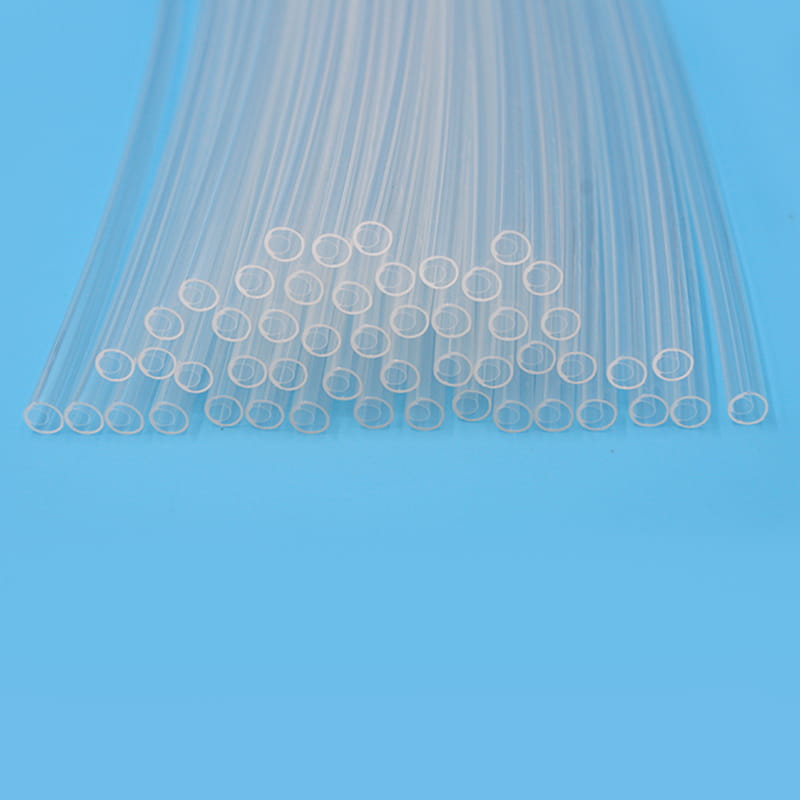
In many medical applications, visual monitoring of fluid flow is essential. TPU tubes can be manufactured with high clarity, enabling healthcare professionals to detect blockages or contamination quickly.
Comparative Analysis of Tubing Materials
The following table outlines a comparison between medical TPU tube and traditional materials:
| Property | Medical TPU Tube | PVC Tubing | Silicone Tubing | Rubber Tubing |
|---|---|---|---|---|
| Flexibility | High | Moderate | Very High | High |
| Biocompatibility | High | Moderate | High | Moderate |
| Chemical Resistance | High | Moderate | High | Low |
| Mechanical Strength | High | Moderate | Low | Moderate |
| Transparency | High | High | Moderate | Low |
| Durability | High | Moderate | Moderate | Low |
| Sterilization Compatibility | High | Moderate | High | Low |
This comparison demonstrates that TPU achieves a balanced performance across multiple critical parameters, making it a versatile alternative.
Applications of Medical TPU Tube
The versatility of TPU allows it to be used across a broad spectrum of medical applications. Its adaptability ensures that it meets the requirements of both simple and complex systems.
1. Infusion and Drug Delivery Systems
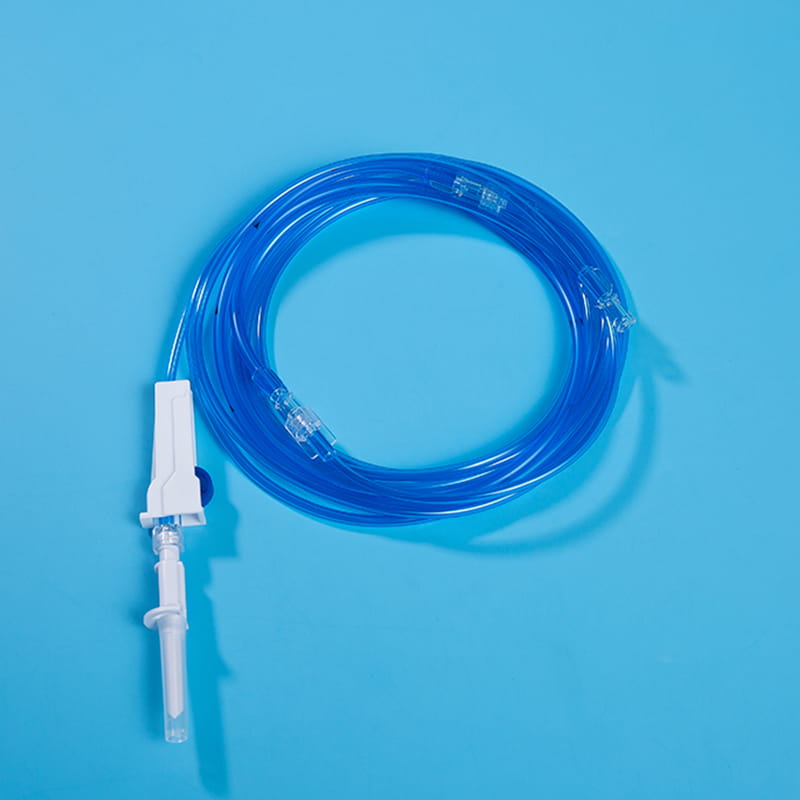
Medical TPU tube solutions are widely used in intravenous (IV) systems, where consistent flow and material safety are essential. The material’s flexibility ensures smooth operation without kinking.
2. Catheter Components
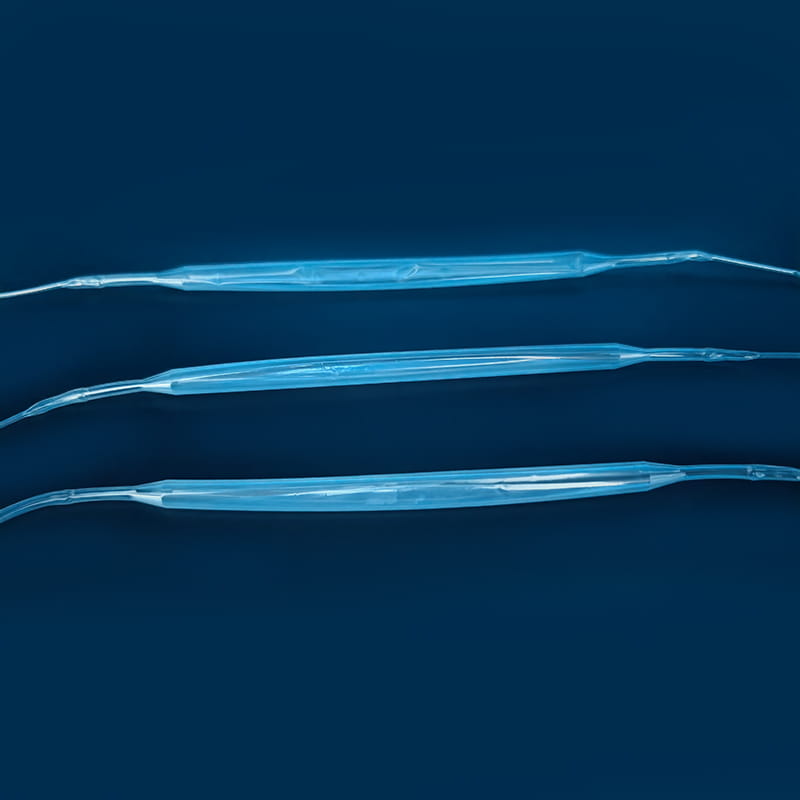
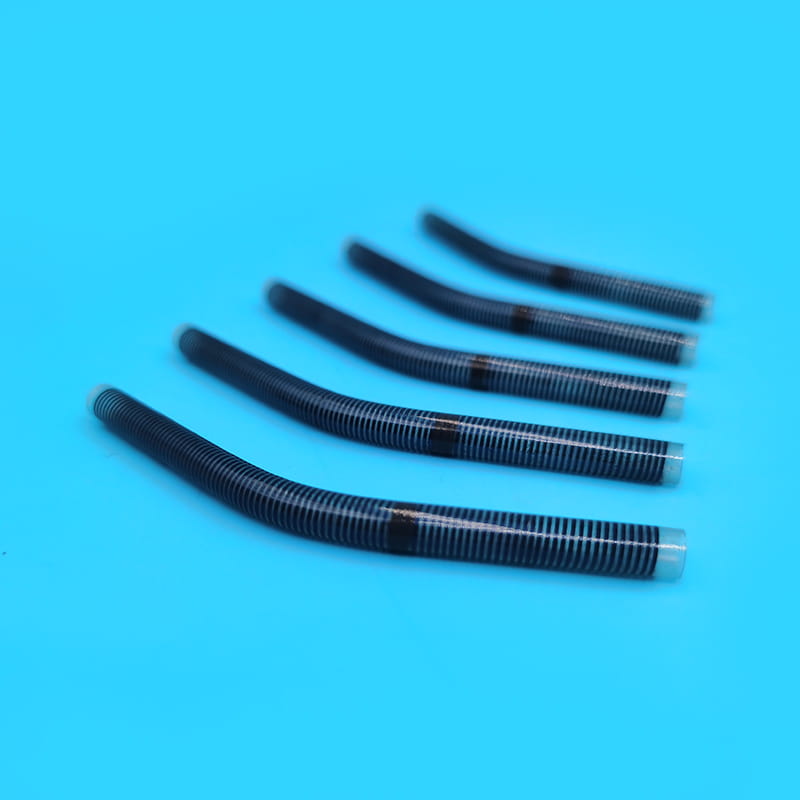
TPU’s combination of softness and strength makes it suitable for catheter construction. It allows for comfortable insertion while maintaining structural integrity.
3. Respiratory Equipment
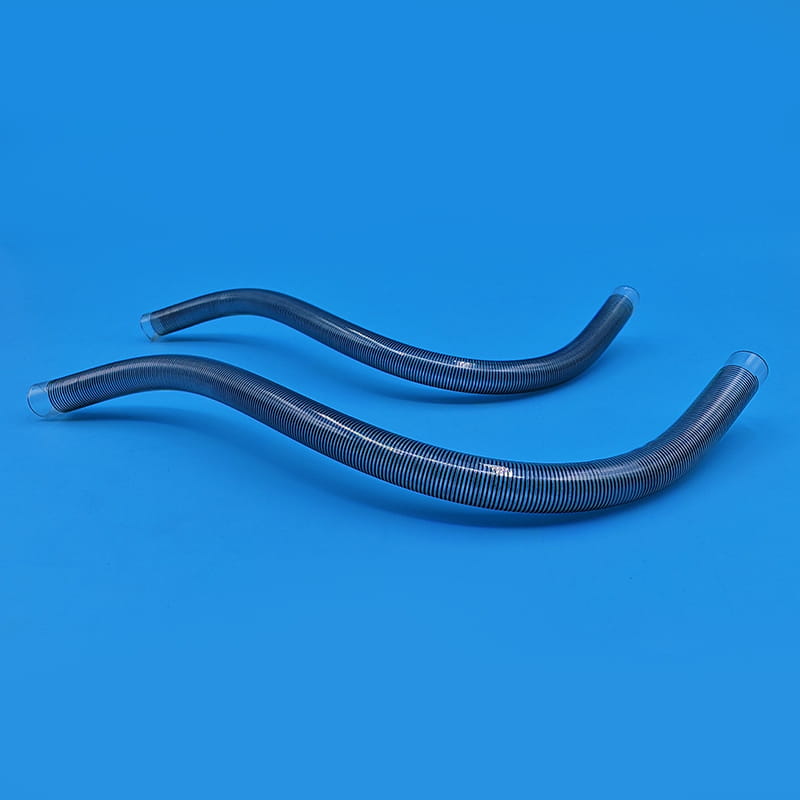
In respiratory systems, tubing must be both flexible and durable. TPU meets these requirements while resisting moisture and microbial growth.
4. Surgical and Minimally Invasive Devices
Precision and reliability are critical in surgical applications. TPU tubing provides consistent performance, supporting the functionality of advanced medical instruments.
5. Laboratory and Diagnostic Equipment
TPU is also used in diagnostic systems where chemical resistance and transparency are essential for accurate results.
Manufacturing and Processing Advantages
Beyond performance in use, TPU offers advantages during manufacturing. Its thermoplastic nature allows it to be processed using standard extrusion and molding techniques. This results in:
- Consistent product quality
- Efficient production cycles
- Customizable dimensions and properties
- Reduced material waste
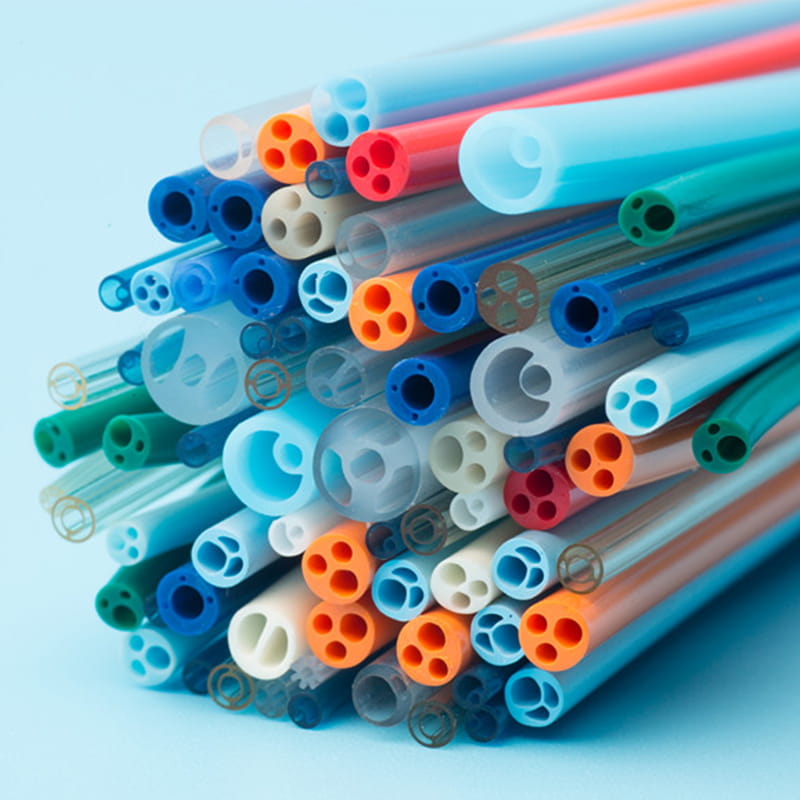
Manufacturers can tailor the hardness, wall thickness, and surface finish of the medical TPU tube to meet specific application requirements. This flexibility supports innovation and product optimization in the medical field.
Environmental and Safety Considerations
Sustainability and environmental impact have become increasingly important in material selection. TPU offers several advantages in this area:
- Recyclability compared to certain traditional materials
- Reduced reliance on plasticizers
- Lower risk of harmful substance release
Additionally, TPU’s stability reduces the likelihood of degradation during use, contributing to safer long-term performance.
Challenges and Considerations
While TPU offers numerous benefits, it is important to consider certain factors during material selection:
Cost Considerations
TPU may have a higher initial cost compared to some traditional materials. However, its durability and performance often offset this over the product lifecycle.
Processing Requirements
Although TPU is versatile, achieving performance requires precise control during manufacturing. Material formulation and processing conditions must be carefully managed.
Application-Specific Design
Not all TPU formulations are identical. Selecting the appropriate grade is essential to ensure compatibility with specific medical applications.
Conclusion
The transition from traditional tubing materials to advanced alternatives reflects the broader transformation of modern healthcare. The medical TPU tube stands out as a reliable and versatile solution, offering a balanced combination of flexibility, strength, biocompatibility, and durability.
By addressing the limitations of conventional materials, TPU enhances both safety and performance in medical applications. Its adaptability across various use cases further reinforces its value as a material of choice for future innovations.
FAQ
1. What makes a medical TPU tube safer than traditional materials?
A medical TPU tube offers improved biocompatibility, reduced risk of additive migration, and higher durability, which together enhance patient safety and reliability.
2. Can TPU tubing be used for long-term medical applications?
Yes, TPU can be formulated for long-term use, maintaining stability and performance over extended periods without significant degradation.
3. Is TPU compatible with sterilization processes?
TPU is compatible with various sterilization methods, including common medical sterilization techniques, making it suitable for clinical environments.
4. How does TPU compare to silicone in medical use?
TPU provides better mechanical strength and abrasion resistance, while still maintaining flexibility, offering a more balanced performance than silicone.
5. Is medical TPU tube environmentally friendly?
TPU is more environmentally favorable than some traditional materials due to its recyclability and reduced reliance on plasticizers, contributing to safer disposal and reuse options.
For more information, please call us at +86-18913710126 or email us at [email protected].
Medical intervention in complex anatomical pathways demands precision, flexibility, and reliability...
What Is a Pressure Extension Tube and Why It Matters in Clinical Practice A pressure extension tube...
Polyimide tubing has become indispensable in modern medical device engineering. From minimally inv...
Understanding FEP Guidewire Protective Sheath Tubing Minimally invasive medical procedures have re...
A medical peristaltic pump tube is a specialized fluid transfer component designed for accurate, st...
The Evolution of Catheter Visualization Technology Minimally invasive procedures have fundamentally...