
 English
  عربى
عربى  中文简体
中文简体  русский
  Français
  Deutsch
 PTFE vs Pebax Guiding Sheath Tube: Material Performance Comparison
Understanding Material Choice in Guiding Sheath Tube Design
Selecting the right polymer for a guiding sheath tube is rarely a simple decision. Clinicians and device engineers weigh flexibility, pushability, lubricity, and kink resistance against the anatomical path the device must travel. Two materials dominate this space: polytetrafluoroethylene (PTFE) and polyether block amide (Pebax). Each brings distinct mechanical and chemical properties that influence how a sheath performs during vascular access, ureteral procedures, or other interventional workflows.
This comparison breaks down the practical differences between these materials so that procurement teams, R&D engineers, and clinical buyers can make informed decisions based on performance data rather than assumptions.
Core Material Properties Compared
Material selection affects nearly every functional aspect of a sheath, from insertion force to how the device tracks through tortuous vessels or ducts. The table below summarizes typical performance characteristics observed in disposable guiding sheath tubing construction.
| Property | PTFE | Pebax |
|---|---|---|
| Surface Lubricity | Very high, low friction coefficient | Moderate, often requires coating |
| Flexibility Range | Limited flexibility variation | Wide range via durometer grades |
| Kink Resistance | Prone to kinking under sharp bends | Better resistance to kinking |
| Torque Transmission | Lower torque response | Higher torque response |
| Chemical Resistance | Excellent, inert to most solvents | Good, but less inert than PTFE |
| Transparency Options | Limited clarity | Can be formulated clear |
| Bonding Compatibility | Difficult to bond without surface treatment | Bonds readily with adhesives and heat |
These differences explain why many pre-curved guiding sheath tube designs favor Pebax for shapeable transition zones, while PTFE remains popular for inner liners where low friction is the priority.
Typical Layered Construction of a Guiding Sheath Tube
Most modern sheath tubes are not made from a single material throughout. Instead, manufacturers combine layers to balance lubricity, strength, and flexibility. A common construction includes an inner liner, a reinforcement layer, and an outer jacket.
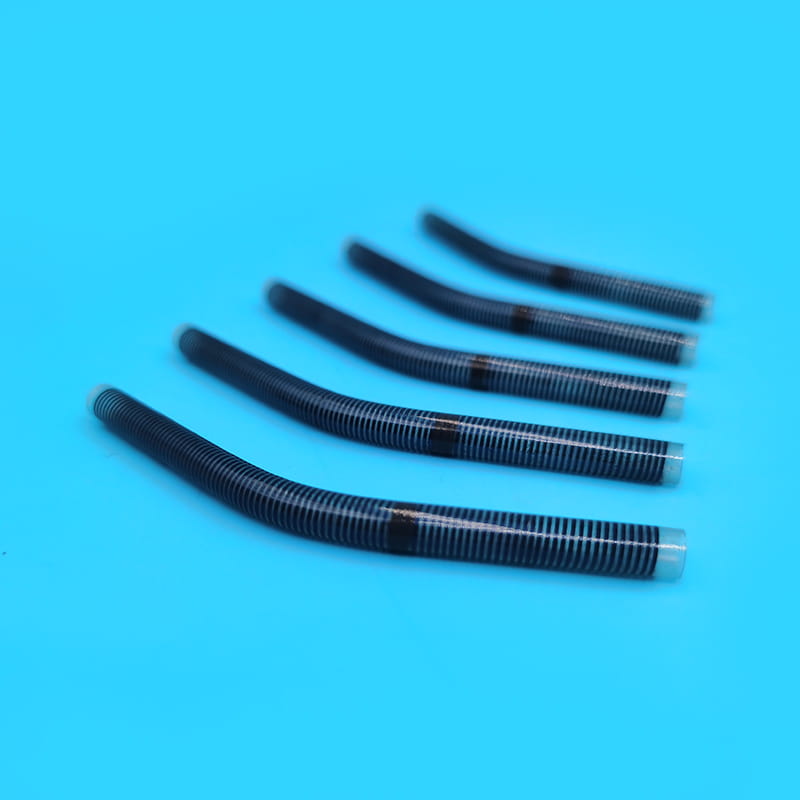
The inner PTFE liner reduces friction for device passage, the braid provides torque control and burst strength, and the outer Pebax layer allows for zone-specific flexibility, including curved or straight tip transitions.
Application-Specific Considerations
Vascular Access Procedures
A vascular guiding sheath tube often prioritizes kink resistance and torque control since it must navigate branching vessels. Pebax-based outer layers with varying durometer zones are frequently chosen to allow a stiffer proximal shaft and a softer distal tip.
Ureteral and Urological Access
For ureteral guiding sheath tube applications, smooth luminal surfaces matter significantly to minimize tissue trauma during repeated instrument passage. PTFE liners are commonly selected for this reason, sometimes paired with a Pebax outer jacket for shape retention in pre-curved designs.
General Introducer Applications
An introducer sheath tube used for general access procedures may rely on a simpler PTFE-only or Pebax-only construction depending on cost targets, sterilization method, and required stiffness profile.
How to Choose Between PTFE and Pebax
Below is a practical decision framework based on functional priorities rather than material preference alone.
- If minimizing insertion friction is the top priority, an inner PTFE liner is typically preferred.
- If the device path involves multiple curves or bends, Pebax offers better kink resistance.
- If torque transmission is critical for rotational maneuvering, Pebax-based shafts perform more predictably.
- If chemical inertness against sterilants or bodily fluids is a top concern, PTFE has a slight advantage.
- If a clear medical guiding sheath tube is required for visual confirmation during procedures, Pebax formulations allow better optical clarity.
- If the design requires a curved tip guiding sheath tube versus a straight guiding sheath tube, Pebax's thermoformability makes curved shaping more consistent.
Manufacturing and Customization Factors
Working with a capable guiding sheath tube manufacturer means more than picking a base polymer. Wall thickness, braid density, tip transition length, and durometer gradient all affect final performance. Manufacturers producing disposable guiding sheath tubing at scale typically validate each batch against burst pressure, kink radius, and dimensional tolerance specifications before release.
Customization is common in this category. Buyers frequently request modified lengths, diameters, curve shapes, or radiopaque marker placement to match specific procedural needs. Reputable suppliers document these changes through a formal design change process rather than informal adjustments.
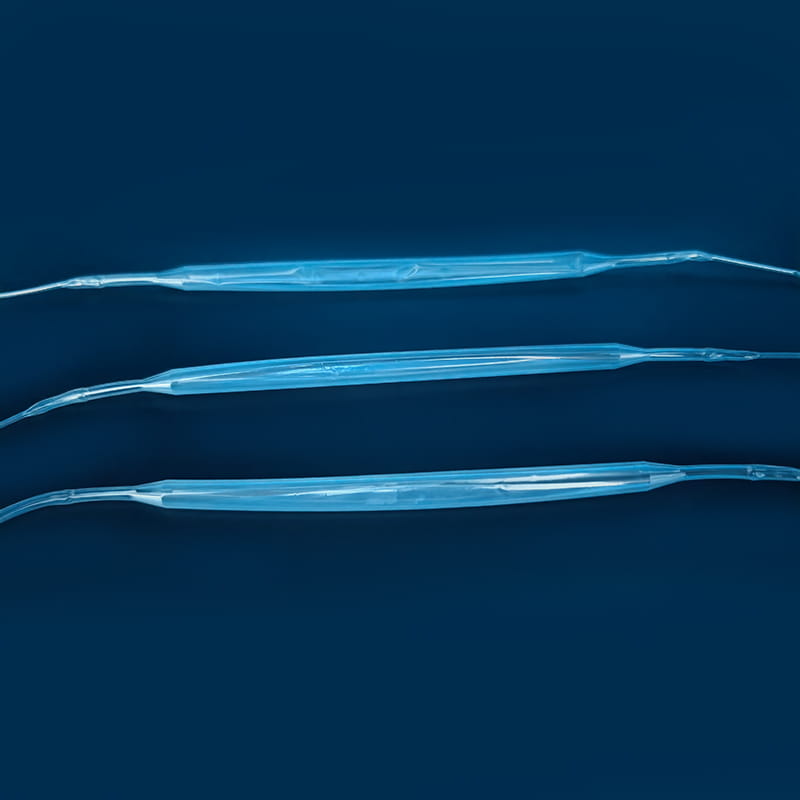
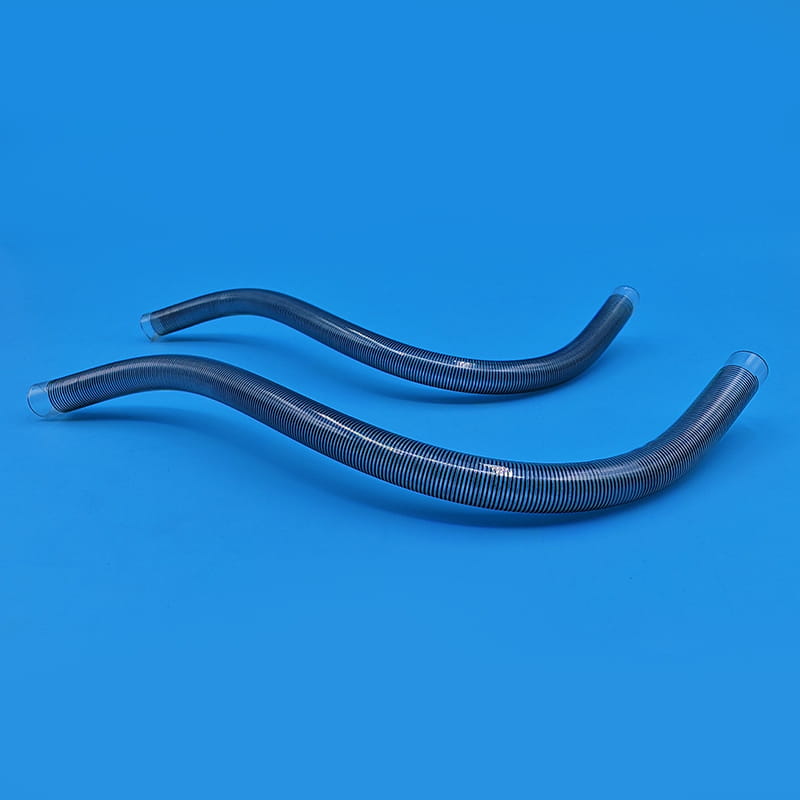
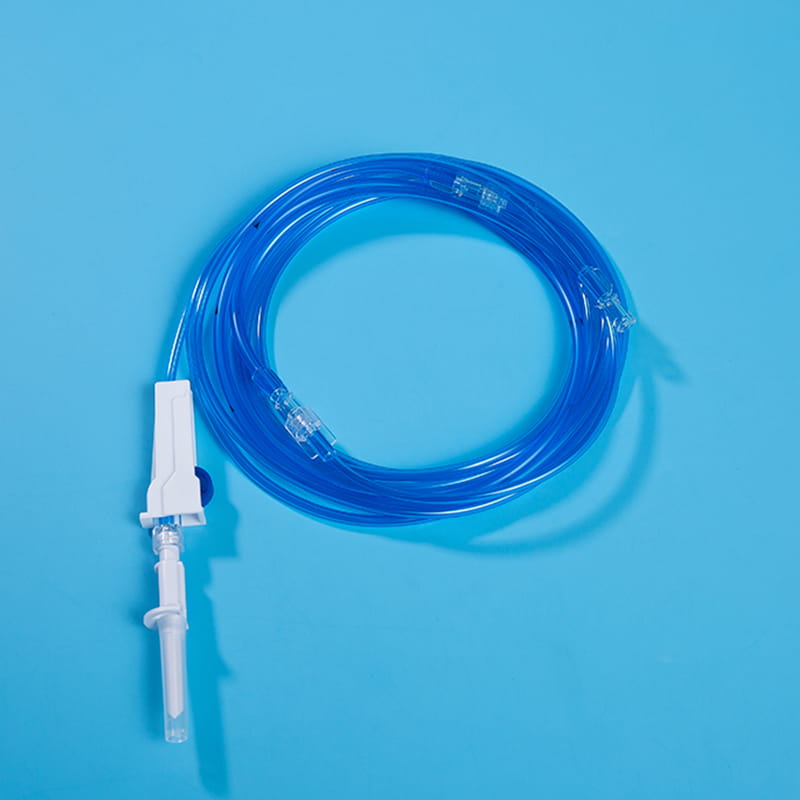
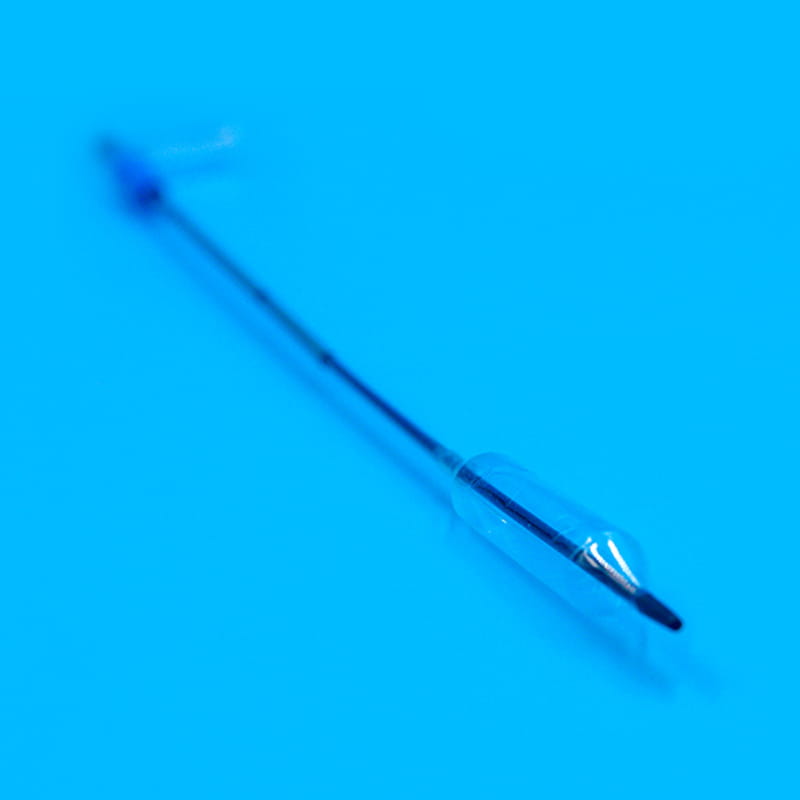
Product Showcase
Video: Guiding Sheath Tube Product Showcase
Quality and Regulatory Considerations
Regardless of material choice, sheath tubes intended for clinical use should undergo biocompatibility testing consistent with recognized standards for patient-contact devices. Key quality checkpoints typically include:
- Dimensional verification of inner and outer diameter across the full length
- Kink radius testing under simulated anatomical bending
- Peel and bond strength testing between layered materials
- Sterilization validation appropriate to the packaging and intended shelf life
- Torque and pushability testing under simulated procedural conditions
Documentation of these tests supports traceability and gives buyers confidence in consistent lot-to-lot performance.
Frequently Asked Questions
Q1: Can I get custom size Guiding Sheath Tube?
Yes, custom lengths, diameters, and curve profiles are commonly available. Most manufacturers require minimum order quantities for fully customized designs and will typically provide samples for validation before full production runs.
Q2: What is the bulk price of disposable Guiding Sheath Tube?
Bulk pricing depends on order volume, material composition, wall construction complexity, and any custom features such as radiopaque markers or curve shaping. Requesting a quotation based on specific technical requirements is the most accurate way to determine cost.
Q3: Is your PTFE Guiding Sheath Tube CE certified?
Certification status varies by manufacturer and product line. Buyers should always request current certification documentation directly from the supplier before procurement to confirm regulatory compliance for their target market.
Q4: What material is guiding sheath tube made of?
Most guiding sheath tubes use a combination of materials, commonly a PTFE inner liner for lubricity, a braided metal reinforcement layer for torque and strength, and a Pebax or polyurethane outer jacket for flexibility and shape control.
Q5: How to customize ureteral guiding sheath tube?
Customization typically starts with defining the clinical requirement, such as curve angle, working length, or lumen diameter, followed by engineering review, prototype sampling, and validation testing before finalizing production specifications.
For more information, please call us at +86-18913710126 or email us at [email protected].
Polyimide tubing has become indispensable in modern medical device engineering. From minimally inv...
Understanding FEP Guidewire Protective Sheath Tubing Minimally invasive medical procedures have re...
A medical peristaltic pump tube is a specialized fluid transfer component designed for accurate, st...
The Evolution of Catheter Visualization Technology Minimally invasive procedures have fundamentally...
Understanding Medical Catheters in Modern Healthcare Medical devices have revolutionized patient ca...
A straight catheter reaches most of the airway, but the last centimeter into a tracheostomy branch...