
 English
 عربى
 中文简体
 русский
 Français
 Deutsch
Chest Drainage Is More Than a Bottle: From Traditional Drainage to Digital Management
In thoracic surgery, closed chest tube drainage is a fundamental procedure that cannot be avoided. Many people picture it as nothing more than a drainage bottle hanging beside the bed. Yet this seemingly simple setup carries an important mission: it removes air and fluid from the pleural cavity, helps the lung re-expand, and protects the patient’s respiratory safety. As drainage products have evolved from traditional consumables to digital and intelligent drainage management, the clinical experience has improved in tangible ways.
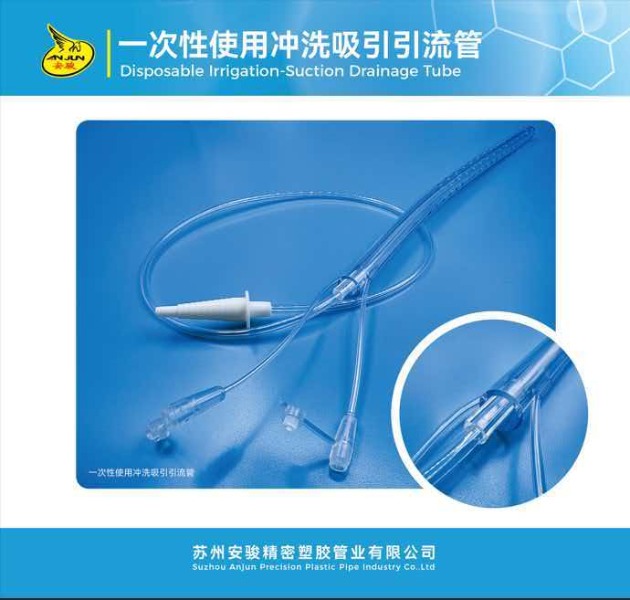
Traditional Chest Drainage: Reliable, but with Hidden Pain Points
The traditional closed chest drainage system relies on a water seal bottle to achieve one-way, sealed drainage. Its principle is clear and its cost is manageable, so it has been widely used for decades in postoperative thoracic surgery and for pneumothorax, pleural effusion, empyema, and other conditions. When the patient coughs or exhales, gas from the chest cavity travels through the drainage tube into the water seal bottle, and bubbles rising through the water show that gas is escaping as intended. When the patient inhales, the water column rises and falls, indicating that the tubing is patent and the lung is re-expanding.
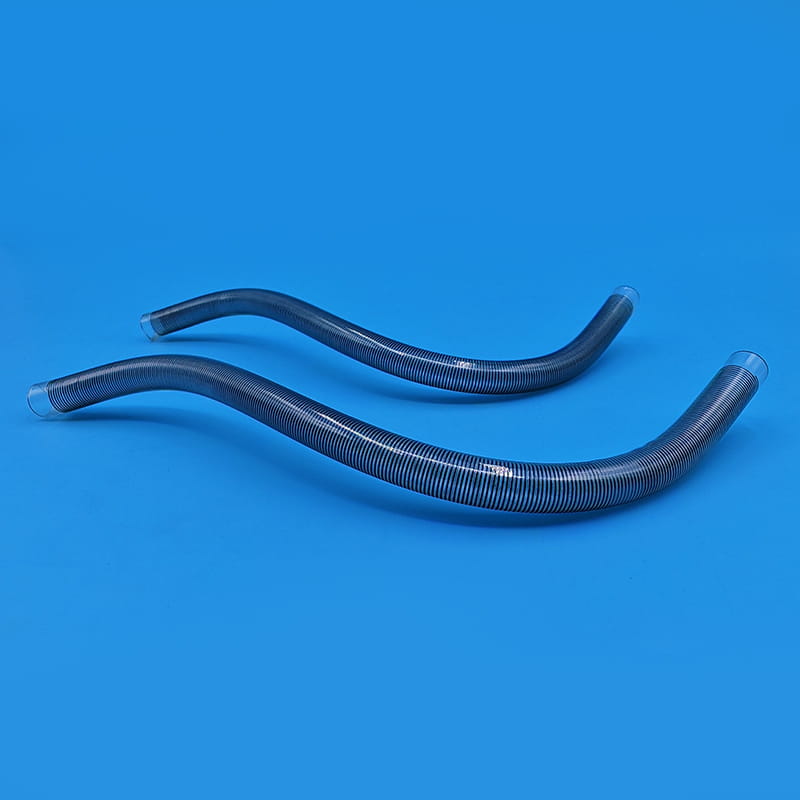
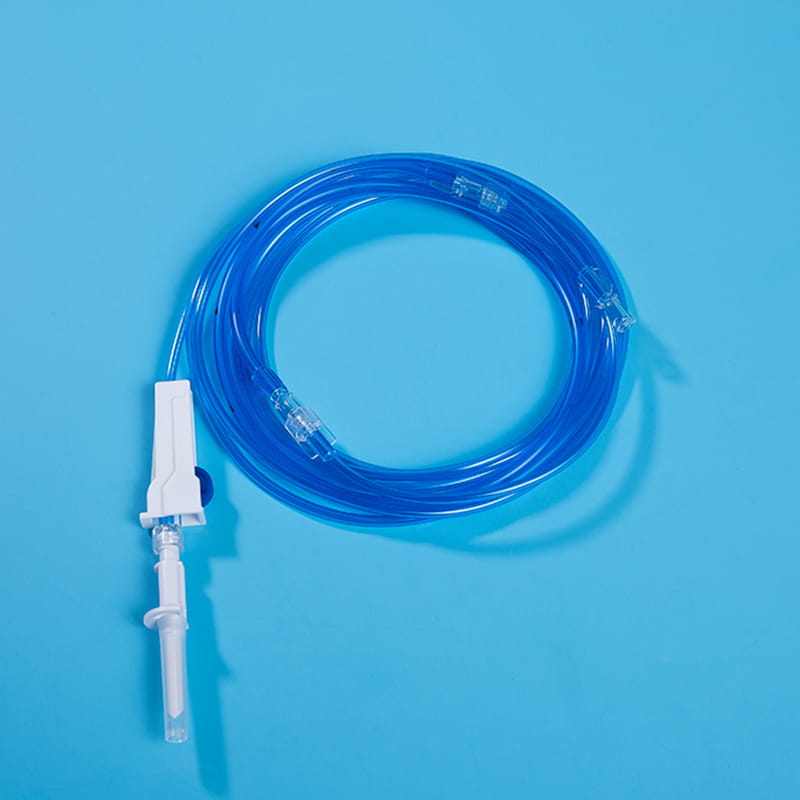
The shortcomings of this traditional model are just as prominent. Air leaks, drainage volume, and similar parameters are judged almost entirely by clinical staff watching bubbles and fluid levels with the naked eye, so they are estimated rather than measured. Observation lapses are common at night and during shift handovers, and abnormalities such as kinked or blocked tubing and major air leaks are often detected late. Paper records cannot show continuous trend curves, so physicians struggle to see changes in pleural pressure or air leakage at a glance, and deciding when to remove the tube depends heavily on experience. The system also includes the drainage bottle, various connecting tubes, and fittings. The sealing performance of these components, the flexibility of the tubing, and its resistance to kinking all directly affect drainage safety. If the tubing or fittings are of insufficient quality, leaks, fluid seepage, and tubing collapse that blocks flow can occur.
At Anjun Medical Technologies (Suzhou) Co., Ltd., we have spent years developing and manufacturing precision medical plastic tubing and components, and we understand frontline clinical needs deeply. In the era of traditional drainage, qualified medical tubing and sealed fittings form the foundation for the safe operation of the entire drainage system. The kink resistance, aging resistance, and biocompatibility of the tubing, along with the sealing and locking performance of the fittings, all have a direct bearing on patient safety.
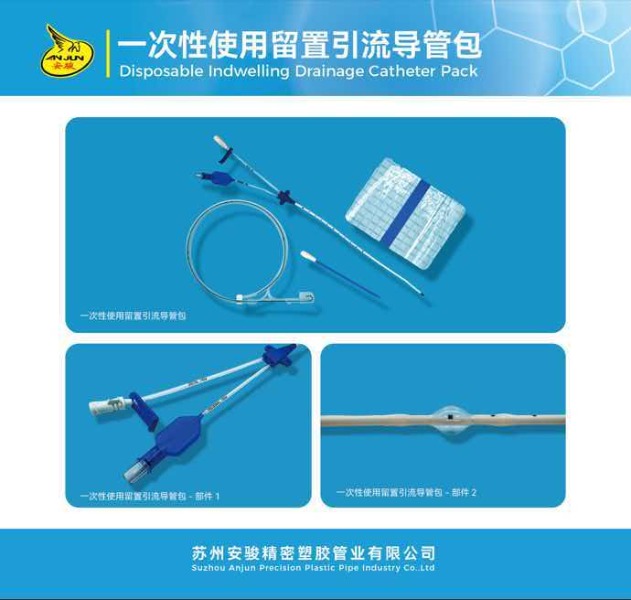
A Shift in Direction: From Drainage Consumables to Digital Management
Advances in medical technology mean that chest drainage is no longer limited to removing gas and fluid. Digital, intelligent chest drainage systems are gradually entering clinical practice and offering thoracic surgery a new set of solutions.
Digital drainage systems can collect key clinical data in real time, including drainage flow rate, cumulative drainage volume, air leak rate, and dynamic changes in intrapleural negative pressure. When problems such as tubing blockage, abnormal air leakage, or sudden pressure changes occur, the device can actively alert medical staff. It also generates data trend charts automatically, turning changes in the chest cavity that were once invisible into quantifiable, readable, and traceable data. This helps physicians assess lung re-expansion more scientifically, pinpoint the optimal timing for tube removal, and shorten patients’ hospital stays.
However, intelligent devices depend on high-quality consumable support. No matter how advanced the electronic monitoring module is, the part that actually connects to the human body and carries fluid is still the medical tubing, sealed fittings, and connecting components. If the tubing kinks easily or the fittings seal poorly, even the most powerful digital monitoring function cannot deliver its value.
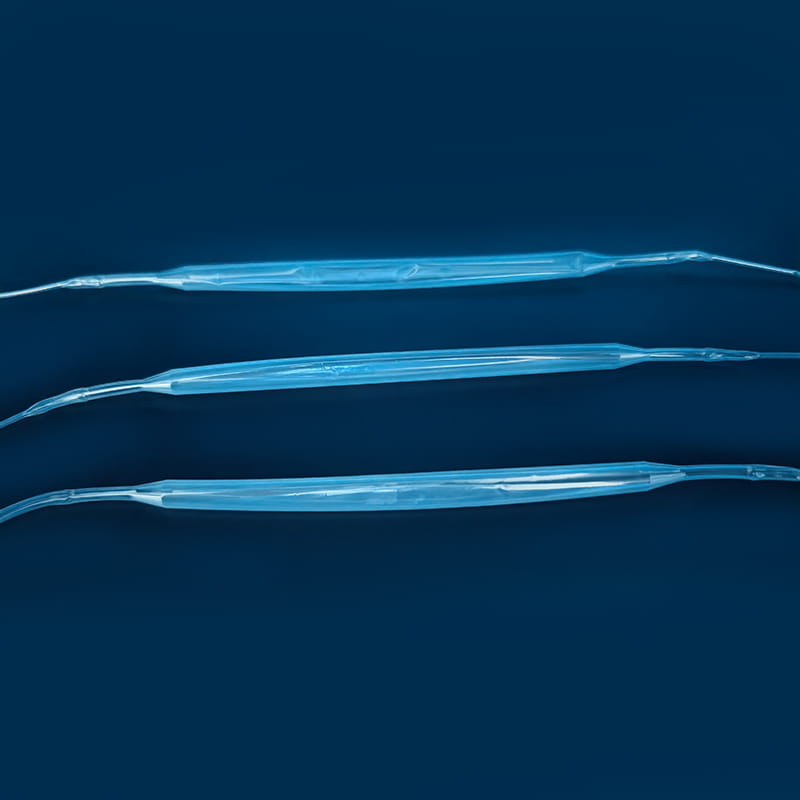
Anjun Medical Technologies (Suzhou) Co., Ltd. is keeping pace with the digital upgrade of the industry. Rather than producing only basic drainage tubing, we serve manufacturers of intelligent digital drainage equipment by providing complete custom precision plastic tubing solutions. For chest drainage applications, we develop dedicated tubing components suited to closed drainage and smart digital drainage devices:
-
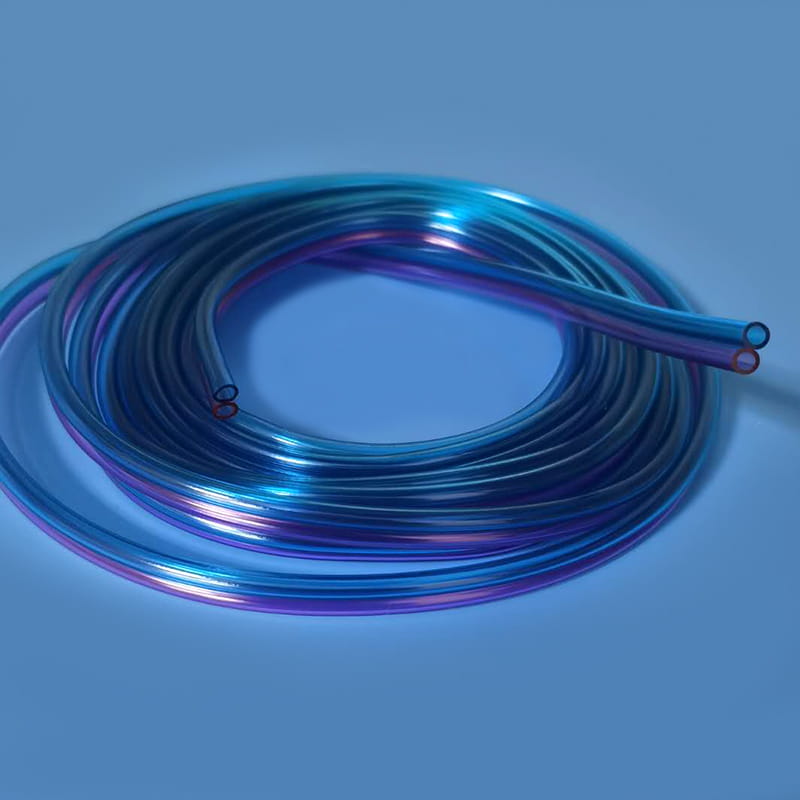
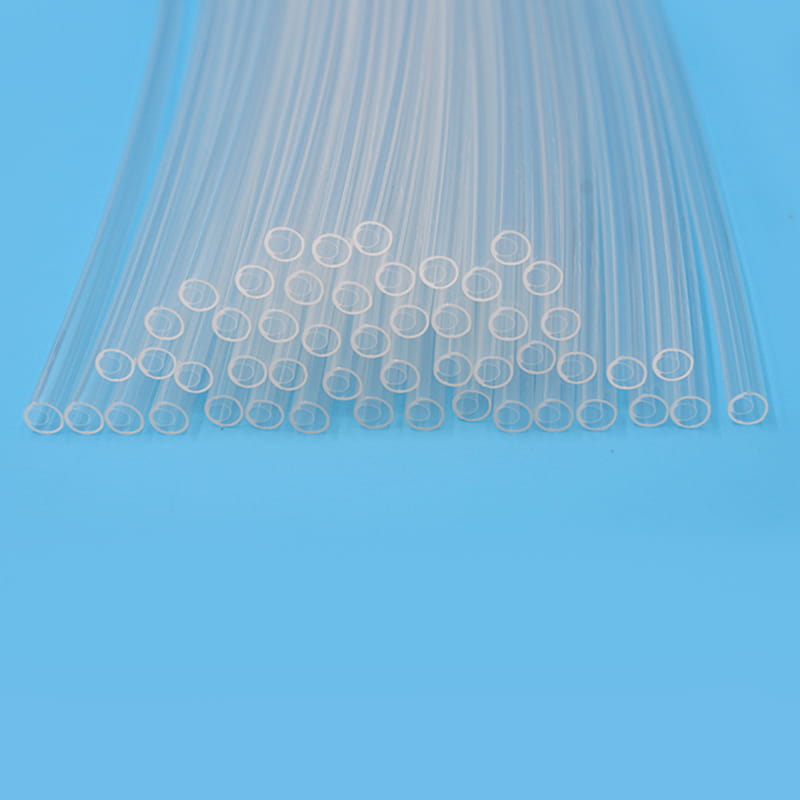
Custom medical extruded tubing that balances softness with resistance to compression and kinking, so the tubing does not collapse or block flow when the patient turns or changes position;
-
High-precision injection-molded fitting components designed to meet the sealing requirements of drainage systems, reducing the risk of air and fluid leakage and ensuring that monitoring data is accurate and reliable;
-
Strict control of raw material biocompatibility and compatibility with sterilization processes, meeting the compliance standards for single-use medical consumables;
-
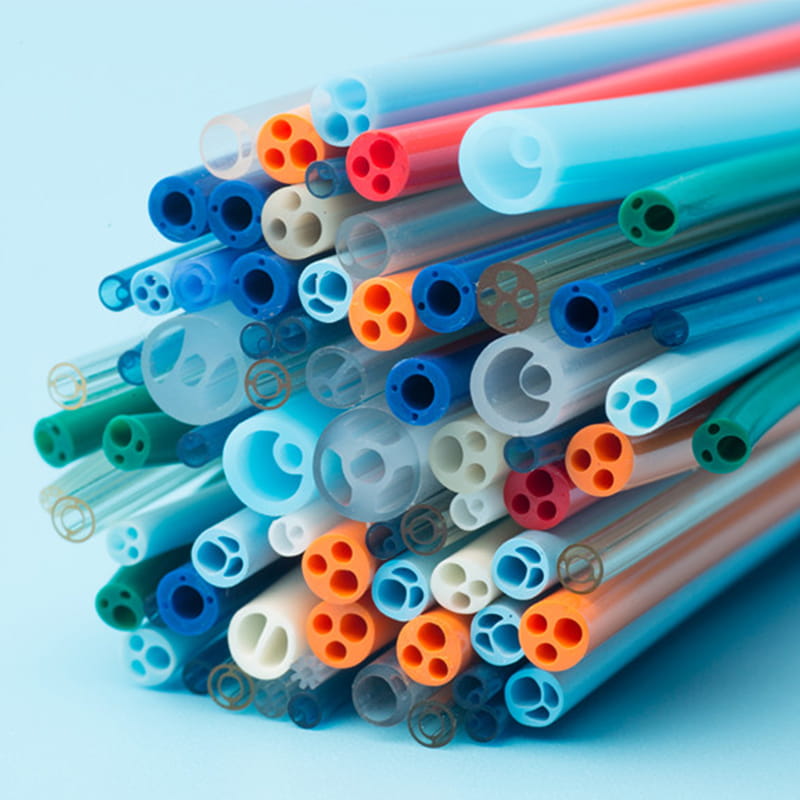
Customization of tube diameter, hardness, and connector configuration, supporting integration with traditional drainage bottles as well as next-generation digital intelligent drainage devices.
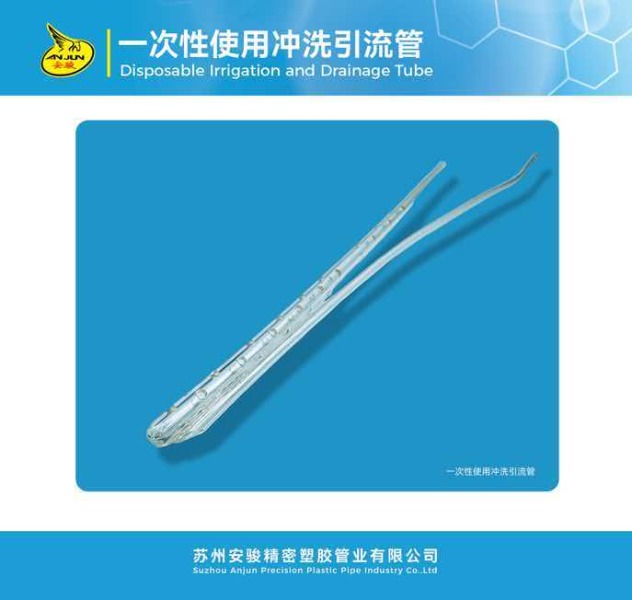
The Unchanging Core: Technology Evolves, Patients Come First
Whether it is the traditional water seal bottle or today’s digital intelligent drainage device, the core principle of closed chest drainage has never changed: establish a safe and effective one-way drainage pathway, remove excess gas and fluid from the chest cavity, help the lung re-expand, and protect respiratory function.
Digitalization brings a leap in monitoring capability, but precision medical plastic consumables are the cornerstone of safe system operation. The best algorithms and sensors still need stable, reliable tubing components to perform under real-world conditions.
Based in Suzhou, Anjun Medical Technologies (Suzhou) Co., Ltd. focuses on the research, development, and production of precision medical plastic tubing and components. We work closely with medical device companies and support the iteration of traditional drainage consumables as well as the research, development, and commercialization of next-generation digital chest drainage products. We are rooted in the foundational manufacturing of consumables, and we use improvements in the quality of precision tubing and sealing components to help chest drainage evolve from “seeing a bottle” to “reading the data.” In this way, we aim to safeguard the safety of thoracic surgery patients and contribute Chinese manufacturing strength to the field.
This article is an industry overview and does not constitute medical advice. The products described are intended solely for development and supply to medical device manufacturers.
For more information, please call us at +86-18913710126 or email us at [email protected].
In thoracic surgery, closed chest tube drainage is a fundamental procedure that cannot be avoided. M...
When selecting materials for new projects, neither overly soft nor overly rigid grades work well. Th...
Material Selection · In-depth Comparison Guide How to Choose Interventional Catheter Materials PEBAX...
Anjun Medical Technologies (Suzhou) Co., Ltd. shares a behind-the-scenes look at our cleanroom produ...
Shanghai, China – September 3, 2026 – Anjun Medical Technologies (Suzhou) Co., Ltd. successfully par...
Suzhou Anjun Precision Plastic Pipe Industry Co., Ltd. (Anjun Medical) sincerely invites you to visi...